
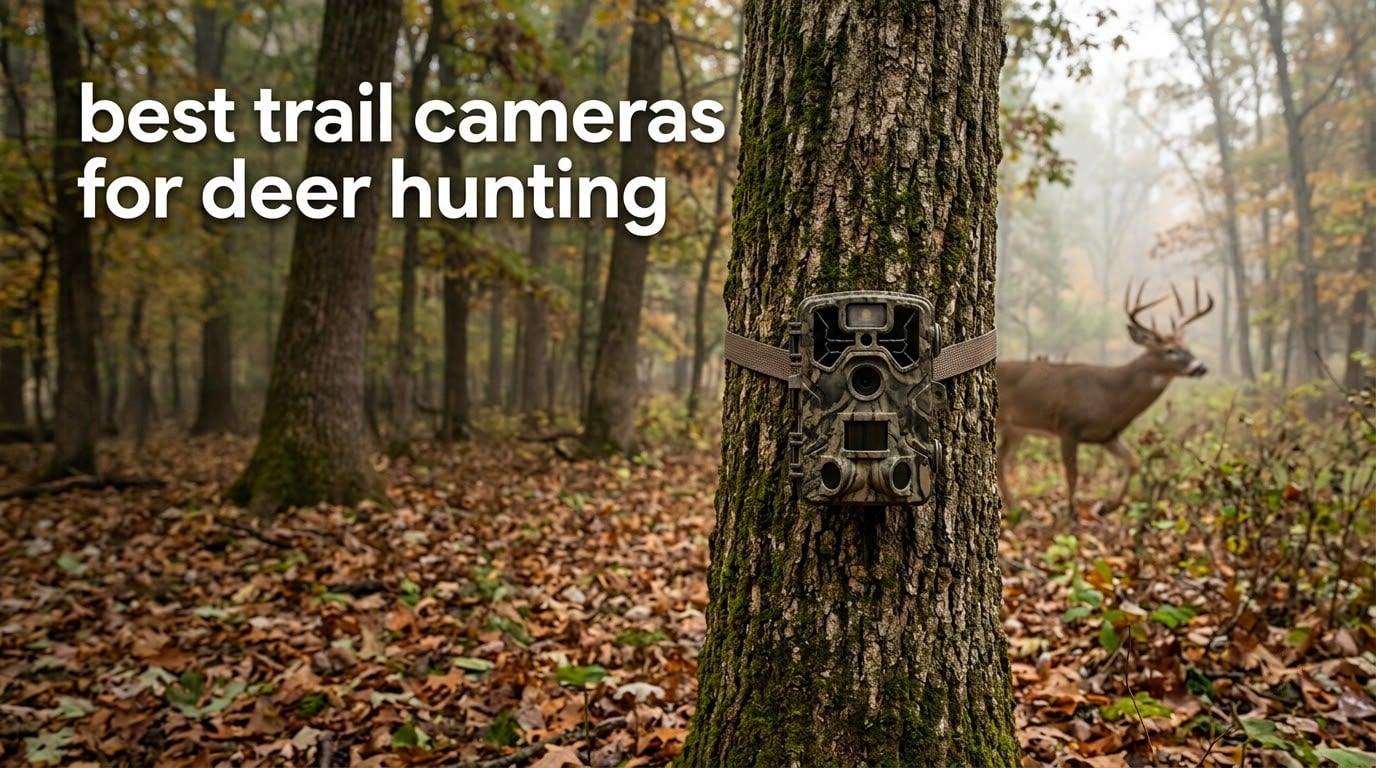
The best trail cameras for deer hunting come down to three things you can actually verify: how fast the shutter fires after a deer enters the zone, whether the night flash gives off visible red light, and whether the camera keeps working through a cold October night without a battery swap. After reading through owner feedback on every camera in this roundup, the GardePro A3S came out on top, with a Sony Starvis sensor, a 0.1-second trigger and 100 feet of no-glow infrared range. The Meidase P70 is the pick if mature buck stealth matters most, and the GardePro E5S wins if you want a wide 120-degree sweep of a corridor.
That is only three answers out of twelve cameras. Below you will find every camera we ranked, what it does well, where it falls short, and who should buy it anyway. We focused on whitetail deer specifically, which means rut-period buck ID, bedding area coverage and cold-weather battery behavior mattered more to our scoring than raw megapixel counts.
If you are still deciding between categories rather than models, start with our general trail camera roundup for the wider field, including backyard and security use. This guide narrows the field to hunting pressure and deer behavior.
Here is the short version of how the technology works. A trail camera, also called a game camera or camera trap, sits in a weatherproof housing on a tree or post and waits. A passive infrared sensor detects the heat signature of an animal moving through the detection zone, and that motion triggers the camera to capture still photos or a video clip. Non-cellular models write files to an SD card that you pull in person. Cellular models compress the file and send it over 4G LTE to a phone app, which is why they need a data plan and a signal.
That single design fork, cellular versus non-cellular, drives most of the differences you will see below. It also drives the running cost. Hunters on r/Hunting complain about data plan fees more than any other spec, and the honest answer is that if you only scout a few times a season, a non-cellular camera costs nothing to operate after the first purchase.
Top 3 Trail Camera Picks for Deer Hunting for October 2026
The GardePro A3S is the best overall trail camera for deer hunting because its Sony Starvis sensor holds up in low light better than cameras with higher headline megapixel counts, and its 100-foot no-glow flash is invisible to deer. The Meidase P70 is the runner-up pick for anyone hunting mature bucks who will not tolerate a red glow. The GardePro E5S rounds out the top three with a 120-degree field of view that covers a wide travel corridor from a single mount.

All 12 Trail Cameras Compared in October 2026
Every camera in this guide appears below with the specs that matter most for deer scouting. Use the table to narrow the field, then read the individual reviews for the trade-offs.
| Product | Specs | Action |
|---|---|---|
| GardePro A3S Trail Camera |
|
Check Latest Price |
 Meidase P70 Trail Camera Meidase P70 Trail Camera |
|
Check Latest Price |
 GardePro E5S Trail Camera GardePro E5S Trail Camera |
|
Check Latest Price |
 TACTACAM Reveal X 3.0 Cellular TACTACAM Reveal X 3.0 Cellular |
|
Check Latest Price |
 TACTACAM Reveal Ultra Cellular TACTACAM Reveal Ultra Cellular |
|
Check Latest Price |
 Moultrie Edge 2 Cellular Moultrie Edge 2 Cellular |
|
Check Latest Price |
 MagicEagle Cellular Solar Camera MagicEagle Cellular Solar Camera |
|
Check Latest Price |
 WOSPORTS G600-4K Trail Camera WOSPORTS G600-4K Trail Camera |
|
Check Latest Price |
 WOSODA G200 Two-Pack WOSODA G200 Two-Pack |
|
Check Latest Price |
 CEYOMUR CY95 Solar Trail Camera CEYOMUR CY95 Solar Trail Camera |
|
Check Latest Price |
 WOSPORTS Mini G100 Trail Camera WOSPORTS Mini G100 Trail Camera |
|
Check Latest Price |
 Digitgarden 4K WiFi Trail Camera Digitgarden 4K WiFi Trail Camera |
|
Check Latest Price |
1. GardePro A3S Trail Camera: Best Overall for Deer Hunting
GardePro A3S Non-Cellular Trail Camera, 1296P HD Video with Sound
64MP stills
1296p video with sound
Sony Starvis CMOS
0.1s trigger
100ft no-glow IR
Pros
- Sony Starvis sensor holds up in low light
- 100ft invisible 940nm night flash
- 0.1s trigger with 5-shot burst
- Records video with audio
- Accepts 512GB SD cards
Cons
- Screen sits inside the lid so aiming is awkward
- SD slot on the bottom is easy to lose in leaf litter
- Battery compartment needs a flathead screwdriver
The GardePro A3S is the camera I would put on a bedding area or a high-traffic funnel without hesitating. It runs 8 AA batteries, records 64MP stills and 1296p video with sound, and its Sony Starvis CMOS sensor is the reason it wins here rather than a camera with a bigger number on the box. Starvis sensors gather light more efficiently than typical small sensors, which means cleaner frames at the exact hour deer move most, dawn and the first two hours of darkness.
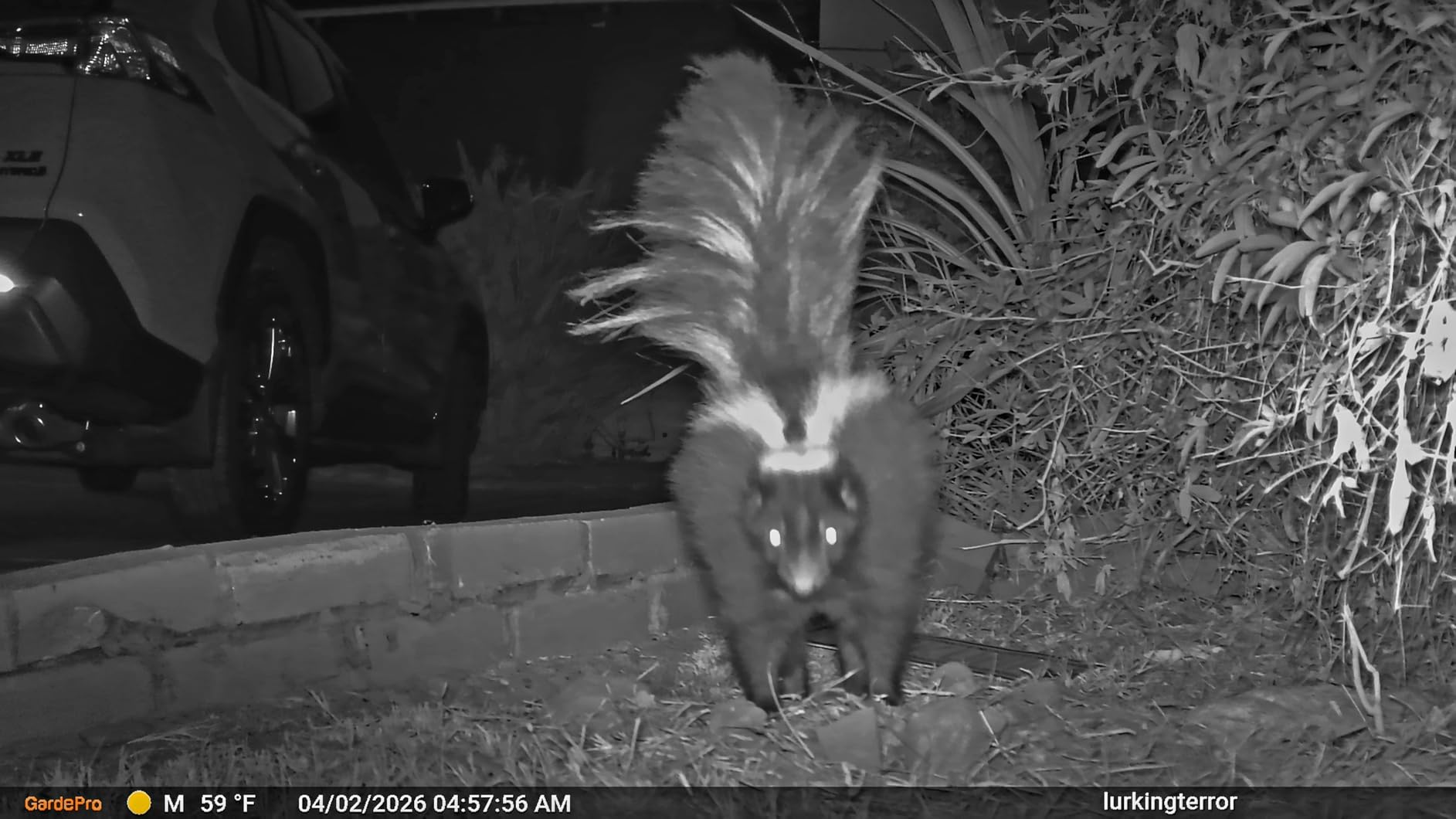
Trigger speed is 0.1 seconds with a 120-degree PIR sweep and bursts of up to five shots. In practice that combination catches a buck stepping through a scrape instead of the frame you get after he has already cleared the tree line. Night coverage is 36 no-glow 940nm LEDs reaching 100 feet, which is far enough to ID a buck by antler beam and rack width from the shoulder.
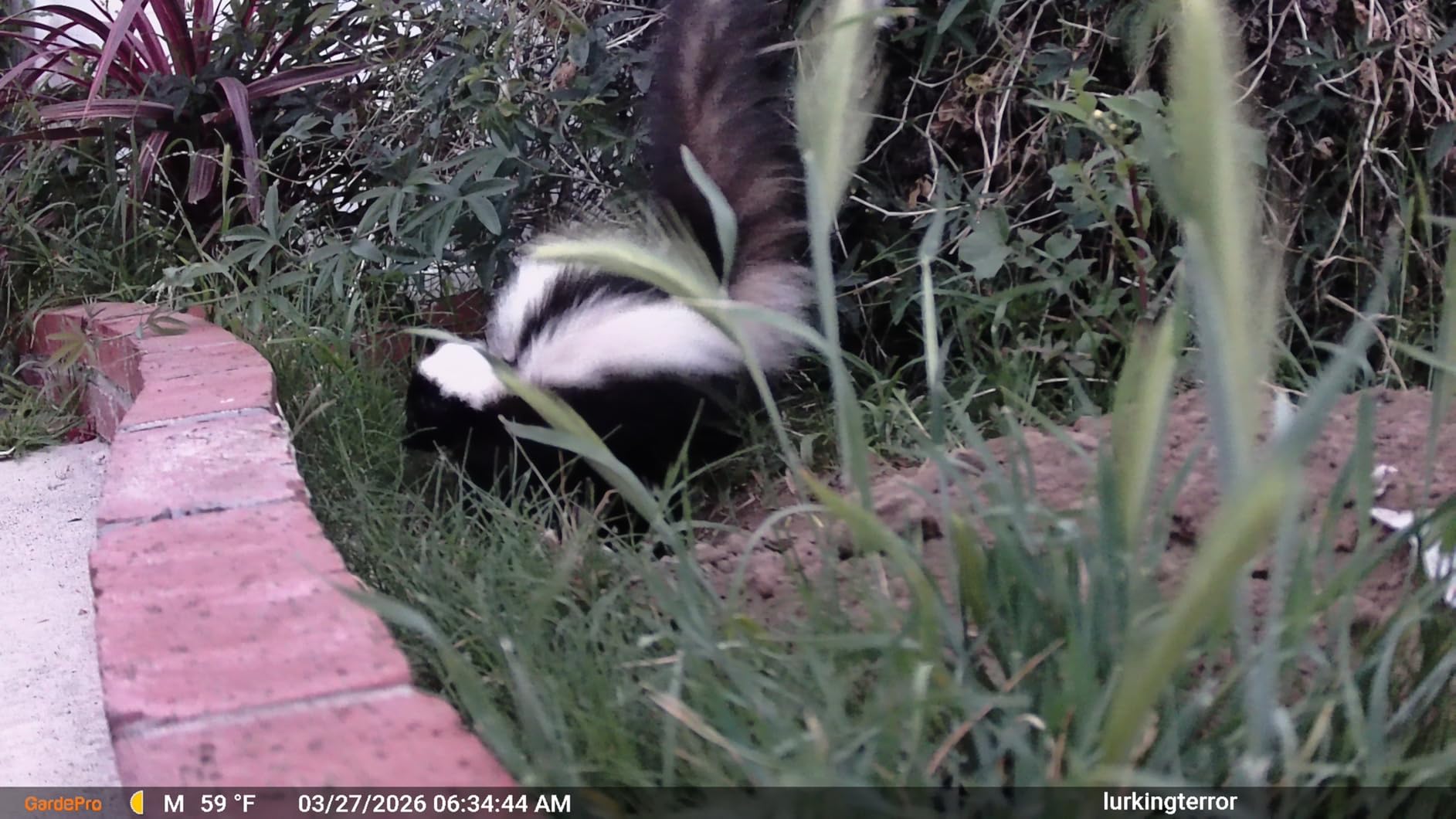
Owners also like the hybrid recording mode, which captures a burst of stills and then switches to video if the animal stays in frame. That is genuinely useful for rut scouting, because you get a timestamped photo for buck ID and a clip showing the doe group he is running with. Independent comparison testing has ranked GardePro units as the strongest in-budget performers tested, and the A3S is the model we would pick from that line.
Two design quirks deserve attention before you buy. The 2.31-inch screen is inside the lid, so aiming the camera means opening the case and holding it against the tree the way you want it framed. The SD card slot is on the bottom, which means leaf litter and mud can hide it. Neither is a dealbreaker, but both cost you a minute of setup time on every deployment.
What the A3S does well in deer country
The night performance is the headline. No-glow infrared at 100 feet means you can photograph a buck standing in a treeline at midnight without the flash giving away your position. Owners running multiple cameras report consistent battery life on lithium AA cells, and the 512GB card ceiling means you can leave a camera up through the fall without pulling footage mid-season.
Where the A3S falls short
There is no WiFi or cellular connectivity, so you walk in to retrieve files. The tight battery compartment needs a flathead screwdriver on every swap, and the on-camera screen placement makes the first minute of setup slower than it needs to be. If you want to check your camera from the truck on a cold morning, this is not the one.
2. Meidase P70 Trail Camera: Best for Mature Buck Stealth
Meidase P70 (Non-Cellular,Non-WiFi) Trail Camera, 64MP 1296p, Game Cameras with No-Glow IR Night Vision, Motion Activated, Waterproof for Wildlife Deer Cams, Hunting
64MP stills
1296p H.264 video
f/1.6 aperture lens
0.1s trigger
100ft no-glow IR
Pros
- Owners rate image and audio quality above several older trail camera brands
- Side sensors improve trigger coverage
- Strong warranty replacement service
- Survives bear damage in owner reports
- H.264 keeps files small for fast playback
Cons
- Nighttime video trigger depth drops to about 15 feet
- Night shutter speed is slow for moving animals
- SD card and 8 AA batteries sold separately
- Moving deer can look pixelated against a sharp background
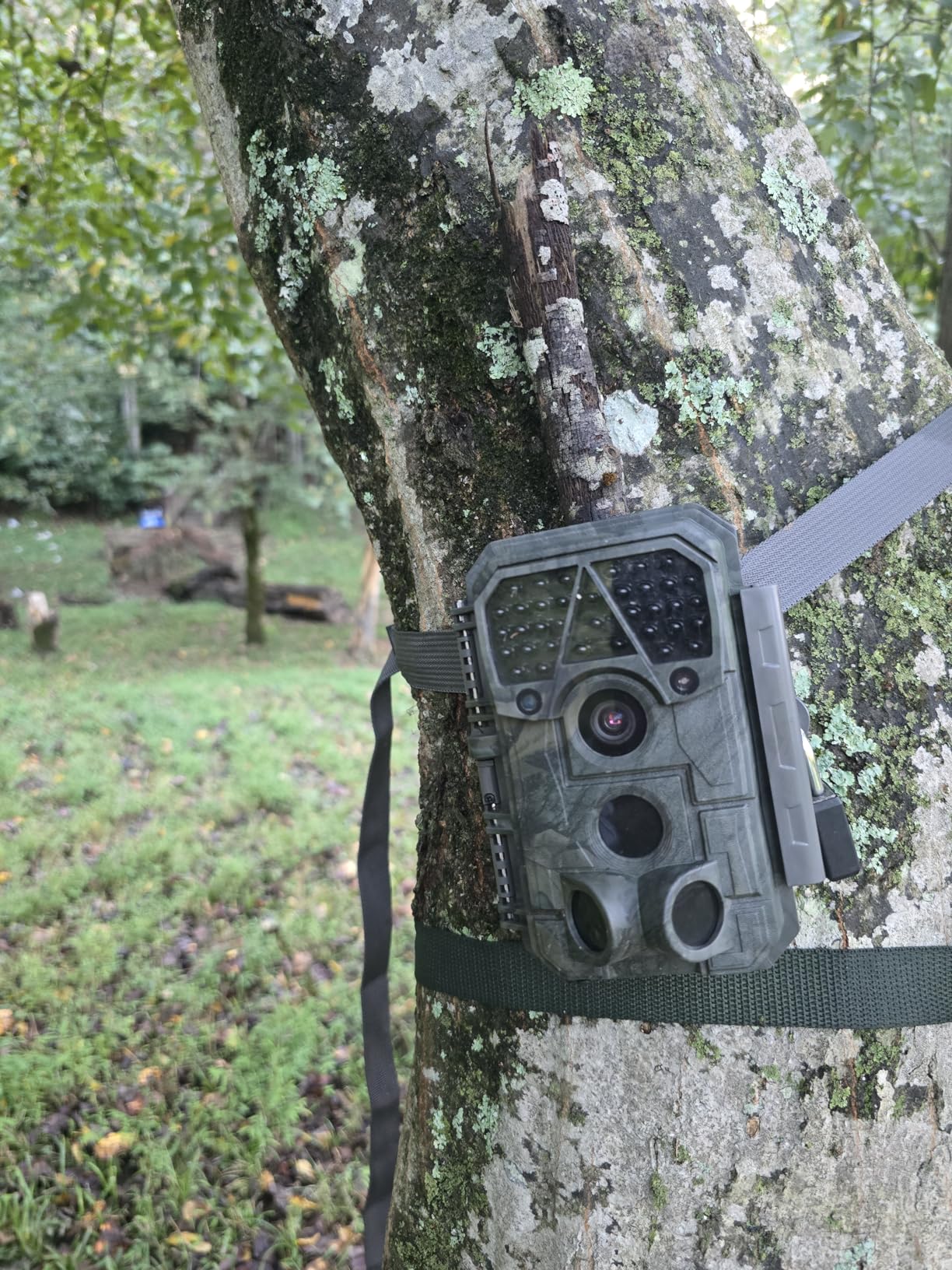
The Meidase P70 is the camera for a hunter who has been burned by a mature buck that spotted the flash or the human scent around a new mount. Its 940nm no-glow infrared reaches 100 feet, and long-term owners with several units on their property describe it as the best of the brands they have owned. Several reviewers specifically place its photo, video and sound quality above Stealthcam, Muddy and Tasco units they already own.
The lens is an f/1.6 aperture, which is a wide opening that gathers more light in low conditions than most cameras at this level. Video uses H.264 compression, so files stay small enough to review quickly on a laptop after a long walk. Trigger is 0.1 seconds with side sensors mounted on both edges of the body, so a deer crossing close to the camera still registers instead of walking out of frame unnoticed.
The 2.4-inch color LCD sits on the back where you can see it, and the camera supports 512GB SD, SDHC and SDXC cards. It also accepts a Meidase SP350 solar panel if you want to reduce battery swaps on a long fall deployment. Owners running lithium cells report good battery life, and one reviewer describes units that have survived bears tearing cameras off trees.
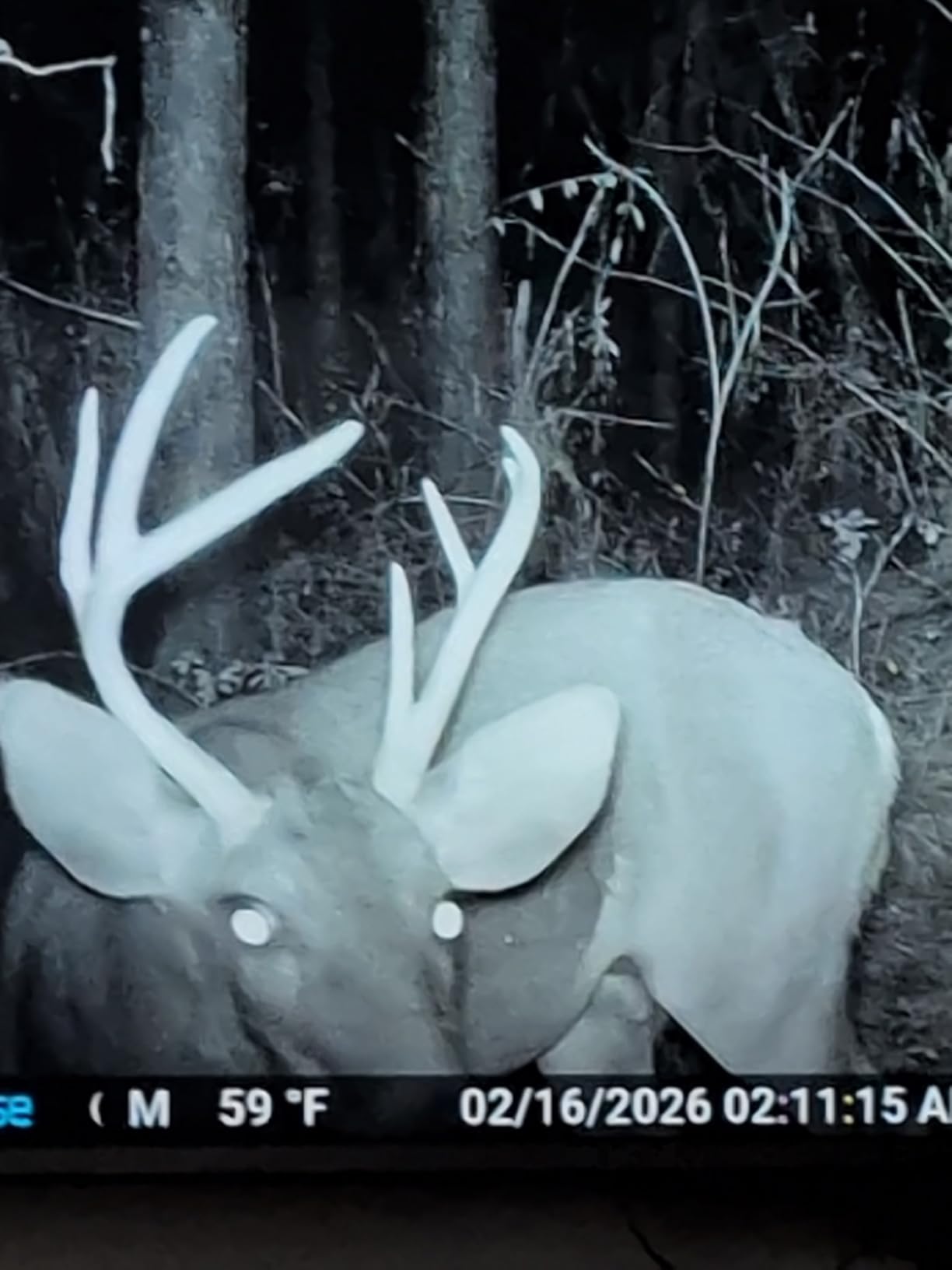
Here is the part that matters for buck hunting. The night trigger depth drops to roughly 15 feet, meaning at night the camera registers motion much closer than the daytime range suggests. A deer walking past at twenty feet in daylight may trigger fine but stay outside the night zone. Plan night mounts closer to the trail line than you would in daylight.
What the P70 does well for big deer
The aperture and the no-glow array combine to produce the cleanest night buck photos in this group, and audio capture helps you sort a group of does from a lone traveling buck. If your goal is antler and body ID on a mature deer at close range, this camera gives you the sharpest frame. Warranty support is also responsive, with owners reporting replacements processed under the one-year coverage.
Where the P70 falls short
Night shutter speed is slow, so a running deer at night can blur or pixelate while the background stays sharp. Batteries and the SD card are not included, and NiMH rechargeable cells perform poorly in this housing, so use lithium. The 70-degree viewing angle is narrower than the wide models here, which means narrower corridors only.
3. GardePro E5S Trail Camera: Best 120-Degree Wide View
GardePro E5S Non-Cellular Trail Camera, 64MP Photo & 1296P HD Video
64MP stills
1296p HD video
120-degree field of view
0.1s trigger
100ft no-glow IR
Pros
- Wide 120-degree sweep covers a corridor from one mount
- 0.1s trigger from three PIR sensors
- Settings survive battery removal
- Five-minute delay stops empty frames while aiming
- Solar panel ready on 8xAA power
Cons
- Nighttime motion trigger is weak compared with daytime
- Microphone can add crackle over the audio track
- High sensitivity triggers on wind and branches
- SD card and batteries sold separately
The GardePro E5S exists for one reason: a 120-degree field of view. That single spec lets you cover a wide trail, a creek crossing or the open end of a feeding field from a single tree, and it means fewer cameras per square mile. Combined with 0.1-second trigger speed driven by three PIR sensors and 100 feet of no-glow night vision, it is a strong corridor camera.
Two details make this easier to live with than most. The on and off switch has a five-minute start delay, so you can power the camera, frame it, and walk away without filling the card with photos of your own gloved hand. And because the camera is off rather than dormant when you change batteries, your settings stay where you left them instead of resetting to factory defaults.
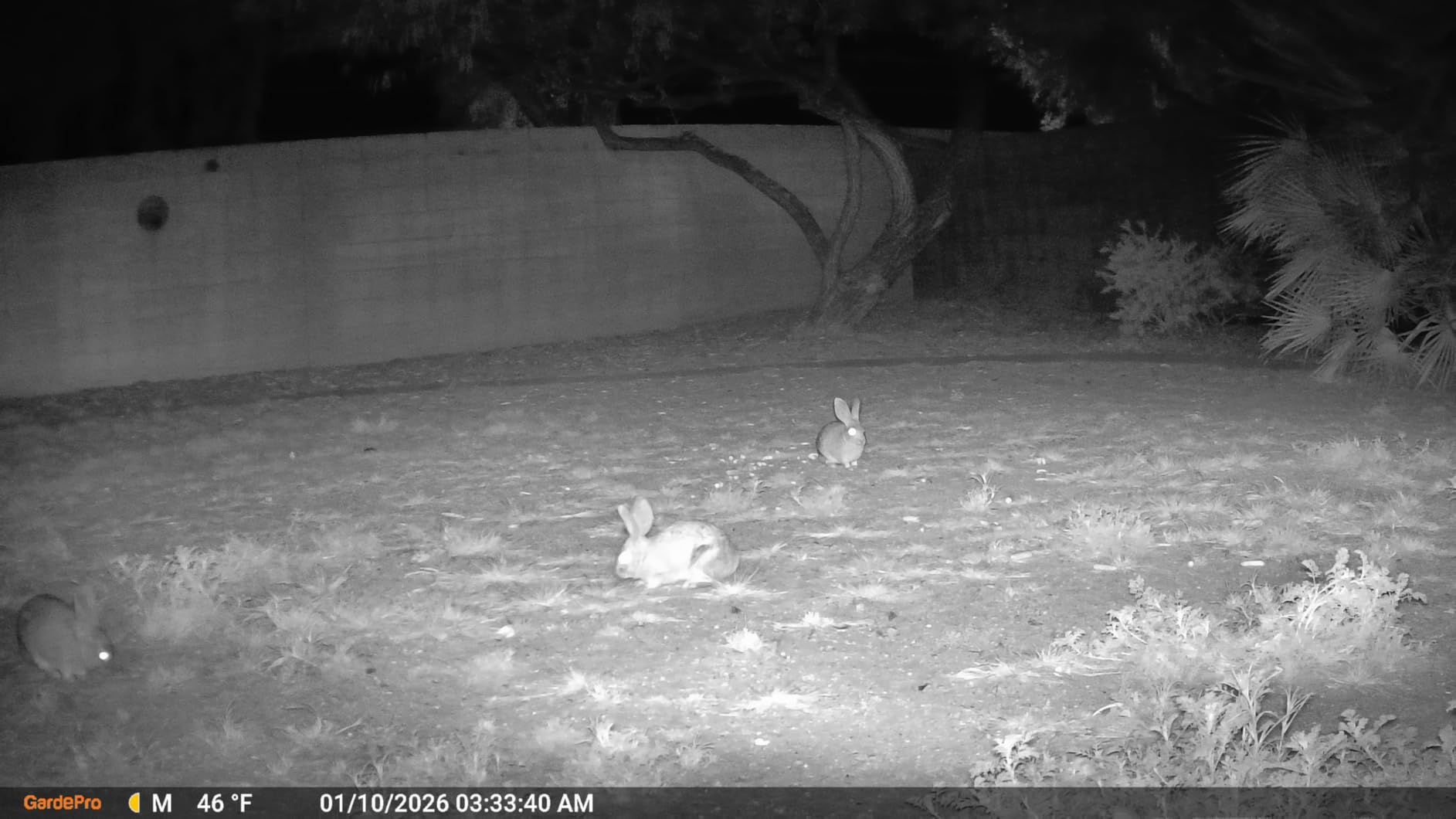
Owners report long battery life on lithium AA through a full bow season, and photo quality that reaches well past what the price bracket suggests. The camera also uses a 1/4-20 threaded mount, which means any standard tree strap, wall mount or camera stake works with it. It accepts the GardePro SP350 solar panel if you want fewer trips to the treeline.
The weakness is night motion sensitivity. Several owners describe daytime detection as reliable and night detection as noticeably weaker, which fits the pattern we saw with the P70. High sensitivity also produces blank frames when wind moves branches across the detection zone, so a tighter detection band or more vegetation in front of the lens helps.
When the E5S wide view pays off
On a deer travel corridor that funnels between two creek bottoms, or at the open end of a food plot, the 120-degree sweep can replace two cameras. The no-glow flash does not spook deer, and the settings-preserving switch means one battery swap during setup does not undo your whole configuration. It is also the model we would pick for a first serious camera on a budget.
What to watch out for
Night detection depth is the trade-off, along with an audio track that can pick up crackle. A smaller group of owners reported a crackling microphone issue on video, and the manufacturer replaced affected units after reviewing the engineering. Plan on lithium batteries and buy the SD card at the same time, because neither is in the box.
4. TACTACAM Reveal X 3.0: Best Multi-Carrier Cellular Camera
TACTACAM Reveal X 3.0 Cellular Trail Camera, Night Vision, Waterproof
Multi-carrier 4G LTE on AT&T and Verizon
4K photo and 1080p video
96ft infrared
Sub-half-second trigger
Pros
- Auto-connects across AT&T and Verizon so it finds a signal
- Up to 6+ months of battery life in its class
- Onboard storage removes the SD card requirement
- Built-in GPS locates the camera in the app
- Pre-installed antenna and pre-activated SIM
Cons
- Requires a data plan for transmission
- 60-degree field of view is narrow
- 60-degree view plus 96ft IR is modest for open ground
The TACTACAM Reveal X 3.0 is the cellular camera to buy when you hunt ground where one carrier works and another does not. It auto-connects across both AT&T and Verizon networks, so instead of coming home to an empty card you get the deer photo. Users on r/trailcam describe the Reveal series as beating everything else they have tried, and the multi-carrier behavior is the reason.
Setup is close to plug and play. The antenna is pre-installed and the SIM is pre-activated, so there is no account juggling with the carrier before the camera goes up the tree. It produces 4K photos and 1080p video with a sub-half-second trigger and a three-shot burst, and a built-in GPS tags the camera’s location in the app, which matters when you have six units spread across a property.
Storage is onboard rather than on an SD card, so there is no card to buy, format or corrupt in cold weather, and file transfer goes straight to the phone. Battery life is rated up to six months or more in typical conditions, and the camera pairs with a lithium cartridge, solar panel, folding solar panel or battery belt depending on how long you leave it up.
The narrow 60-degree field of view is the honest drawback. That is a tighter cone than most of the non-cellular cameras here, and combined with a 96-foot infrared range it means you should mount it facing a specific trail or gap rather than an open clearing. Frame it deliberately and it is excellent; point it at a wide field and you will leave frames empty.
Where the Reveal X 3.0 earns its place
Two hunters scouting a large tract both benefit from multi-carrier coverage, because signal strength varies by carrier across terrain. Six months of battery life means you can put a camera up in August and still have it transmitting when the rut arrives. The GPS tag also saves a lot of walking when a camera goes quiet and you cannot remember which stand it was on.
What you give up
The data plan is a recurring cost for the life of the camera, which is the number one complaint about cellular units across hunting forums. The 60-degree cone also forces tighter aiming than most hunters expect on first setup. And without an SD card slot, a failed transmission is a lost image rather than a file you can still pull.
5. TACTACAM Reveal Ultra: Best for Live View and 4K Stills
TACTACAM Reveal Ultra Cellular Trail Camera: 4K Photo, 1080p Video, Live View, GPS Tracking-Enabled, Switchable No-Glow/Low-Glow Flash, LTE Connectivity, LCD Screen – Best Hunting, Game Camera
4K still photos
2.5K video
Live stream and on-demand photo requests
Switchable no-glow and low-glow flash
Pros
- Exceptionally clear 4K photos day and night
- Live video stream works smoothly in the app
- GPS tracks the camera and alerts if it moves
- Switchable flash changes visible deer night behavior
- Holds cellular signal in poor coverage areas
Cons
- Technical support is only reachable through Amazon
- Some units stopped transmitting after fault
- Shadow-triggered photos reported on affected units
- Video recording unreliable on affected units
The TACTACAM Reveal Ultra is the cellular camera built for a hunter who wants to check the timber in the middle of the hunt rather than waiting until the end of the season. It streams live video and accepts on-demand HD photo requests from the app, which means you can look at a ridge you cannot walk to before you commit the rest of the morning.
Photo quality is 4K stills with 2.5K video, sub-0.5-second trigger and bursts up to nine shots. Owners running multiple TACTACAM units call the Ultra a clear step up in picture quality over the Reveal X, and several note that the upgraded antenna holds a cellular signal in places with no other radio coverage. The GPS is active rather than passive, so the app alerts you if the camera moves more than half a mile from its last known spot.
The flash is switchable between 96 feet of low-glow and 80 feet of no-glow infrared. That is the most interesting control on this camera, because owners report a noticeable change in how deer behave at night once the no-glow setting is used. On a mature buck that has been burned by a red flash somewhere on the property, that switch can be the difference between a usable photo and a blown-out empty frame.
Storage is 16GB internal with an SD card slot for expansion, and there is a 2-inch LCD on the back. Power options include the Tactacam solar panel, folding solar panel, battery belt and lithium cartridge. The main practical issue is support: buyers report having to go through Amazon and an automated bot to reach anyone, so if you need help setting up a camera on public land, know that in advance.
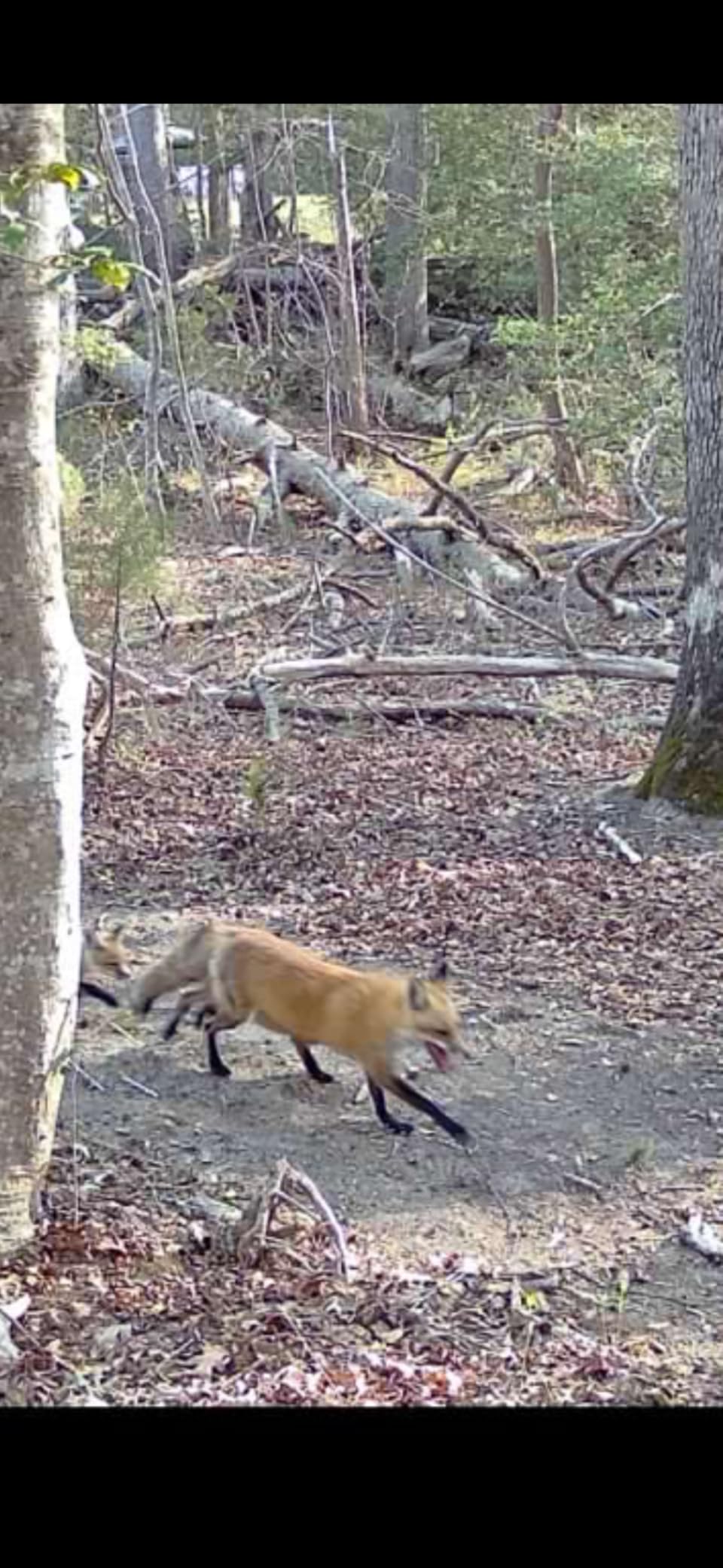
Best case for the Reveal Ultra
Live view changes how you scout. You can watch a group of does cross at dawn and know whether a buck is with them, or confirm a buck is still holding a bedding area before you commit an approach. The switchable flash and the active GPS make it the most flexible unit in the cellular group, and 4K stills give you the resolution to ID a rack across a clearing.
Where it disappoints
A small number of owners reported units that stopped transmitting and filled the card with shadow-triggered photos, with unreliable video on the same units. Data plan pricing, particularly for on-demand video requests, is considered expensive by some users. And reaching support requires going through the retailer rather than the manufacturer directly.
6. Moultrie Edge 2: Best for App-Based Scouting Analytics
Moultrie Edge 2 Cellular Trail Camera 2-Pack – 36MP, Low-Glow Flash
4G LTE with Auto Connect multi-carrier
36MP stills
1080p video with audio
100ft detection
8GB internal memory
Pros
- Auto Connect locks onto the strongest available carrier
- 8GB internal memory means no SD card to buy or format
- Game Plan pattern analysis and activity charting in the app
- USA-based company with US customer support
- Two-year warranty from activation
Cons
- 36MP resolution trails 64MP non-cellular rivals
- Requires a recurring data plan
- IP65 sealing is below the IP66 norm
- 50-degree viewing angle is narrow
The Moultrie Edge 2 is the pick for a hunter who treats scouting data as the point rather than the photographs. Its app includes Game Plan pattern analysis, activity charting and interactive maps that turn a season of trail camera photos into a picture of when and where deer actually move. Owners value the multi-carrier Auto Connect for signal reliability and the internal memory that removes card handling entirely.
Auto Connect scans available networks and locks onto the strongest one, which is the difference between getting an alert and getting nothing when you are on a ridge with marginal reception. The camera produces 36MP stills and 1080p video with audio at 30 frames per second, and detection range is listed at 100 feet with a low-glow infrared flash.
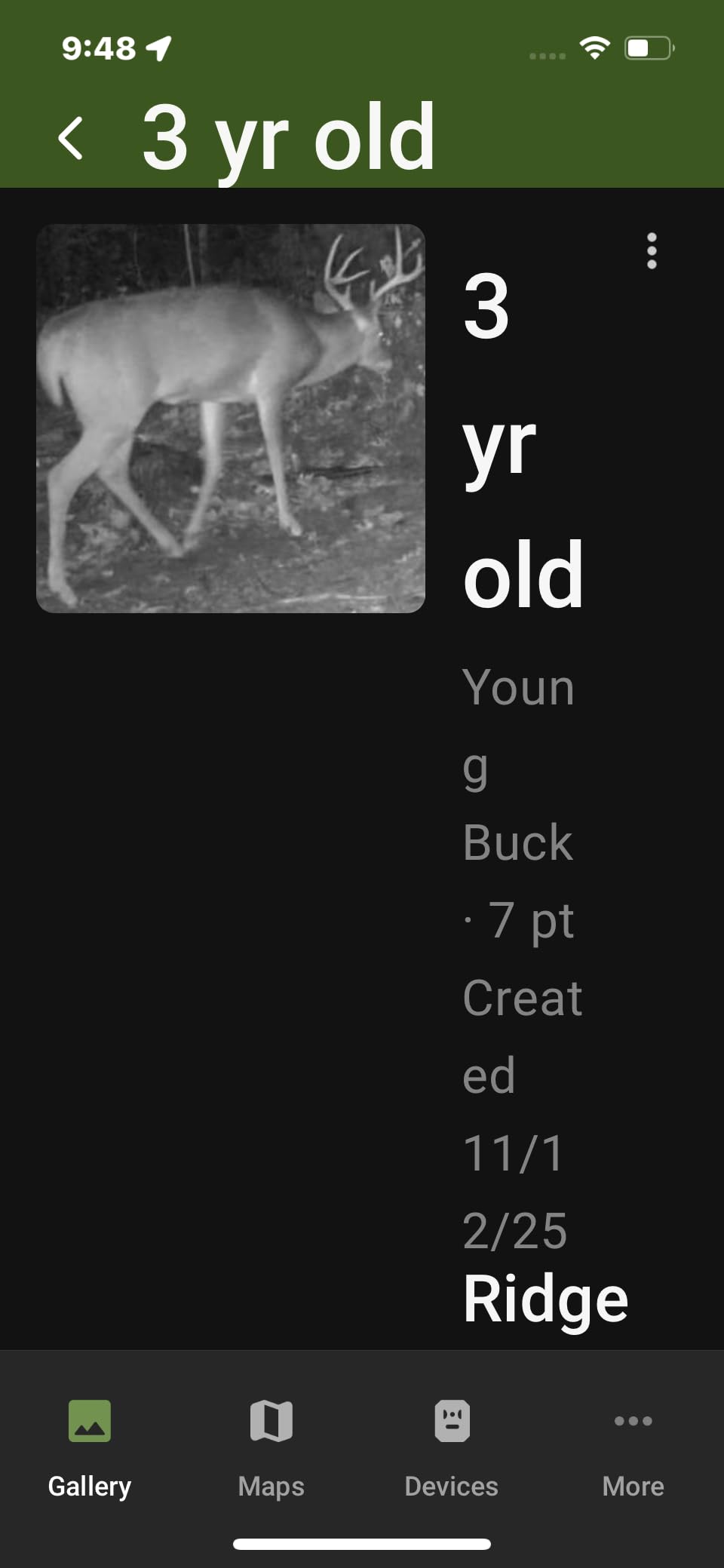
Storage is 8GB built-in plus unlimited cloud storage, so there is no SD card to buy, format or lose to cold weather, and the listing here is a two-pack configuration. It mounts through a standard 1/4-20 threaded post, so it fits the Easy Aim Mount, Flex Mount and camera stake systems. Support is USA-based, and the warranty runs two years from activation, which is longer than the one-year coverage on several non-cellular units here.
The specs that hold it back are resolution and field of view. 36MP is below the 64MP offered by most non-cellular rivals, so a distant buck loses detail. The 50-degree viewing angle is the tightest in this group, which makes the camera work hardest on a specific funnel rather than a general area. IP65 sealing is also one step below the IP66 norm for outdoor cameras.
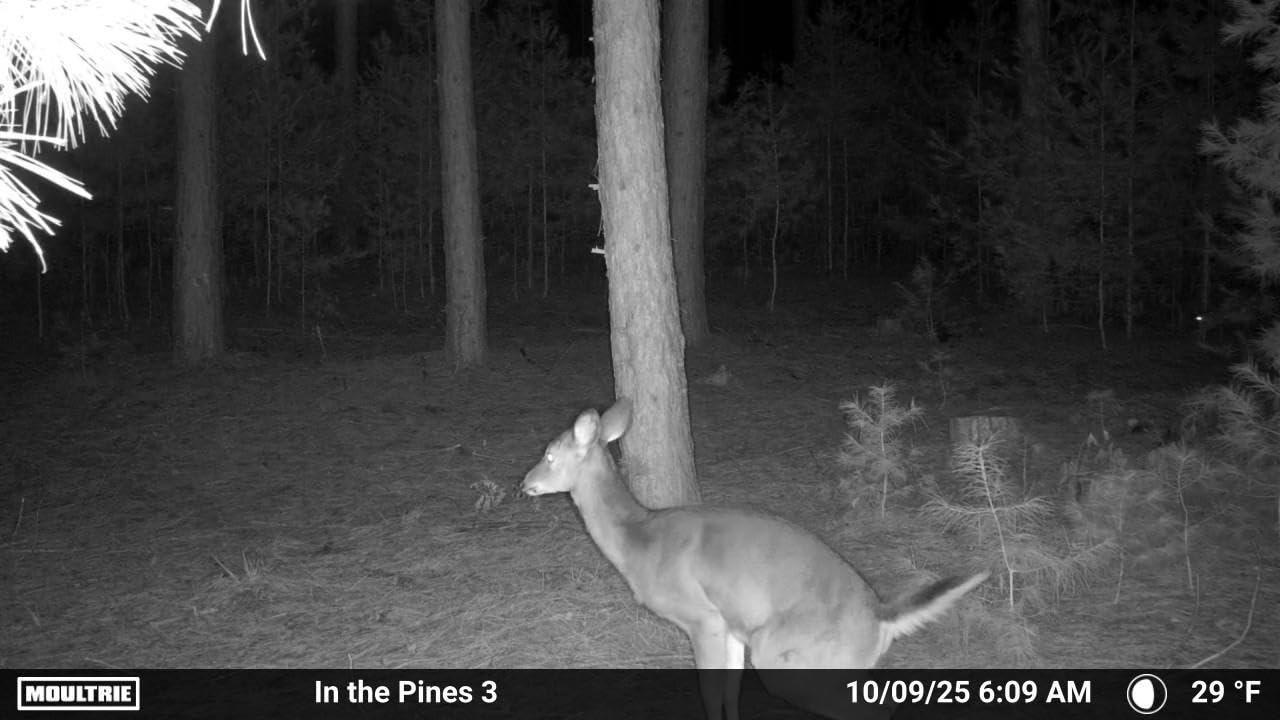
Who should choose the Edge 2
If you run cameras across a large property and want one app that shows activity charts instead of a folder of photos, this is the camera for you. The two-year warranty and US-based support add real value if you plan to keep cameras deployed for several seasons. Two-pack availability also makes it practical to pair a corridor camera with a bedding area camera.
What you trade away
You pay for all of this with a recurring data plan, and the still resolution will not resolve a buck at long range the way a 64MP non-cellular camera will. The 50-degree cone means careful aiming, and the low-glow flash is a consideration on ground where you are trying to avoid educating the deer herd. Power Mag, solar packs and battery boxes are separate purchases.
7. MagicEagle Cellular Solar Camera: Best Solar Setup with Built-In Storage
MagicEagle® Cellular Trail Camera 4G Wild Game Cameras 13,000 mAh Battery Solar Panel 2K Audible Video No-Glow IR Night Vision IP66 Waterproof for Wildlife Deer Monitoring Home Security (Army Green)
4G SignalSync cloud SIM
5MP stills and 2K video
13000mAh battery
940nm no-glow IR to 90ft
Solar panel included
Pros
- Highest average rating in the group with 85% five-star reviews
- Solar charging and 13000mAh battery reduce battery swaps
- No-SIM cloud setup avoids manual carrier activation
- Cloud AI species recognition filters alerts
- Gravity sensor and A-GPS add tamper alerts
Cons
- 5MP still resolution is the lowest in the group
- Solar panel mount hardware needs extra screws
- 2K video trails 4K models
- Data plan required for ongoing transmission
The MagicEagle is the one to look at if you want a camera that goes up on public land or in a remote corner and stays up without a ladder. It ships with a 13000mAh internal battery and a solar panel, rated for up to three months of standby, and the cloud SIM approach means there is no physical SIM to install or activate before the camera goes into the tree.
The SignalSync cloud SIM auto-selects the strongest carrier network, so it behaves like a multi-carrier unit without the manual setup. It carries a 32GB SD card in the box, which is unusual for a cellular model and gives you a local copy even if transmission fails. The infrared is 940nm no-glow out to 90 feet, so deer will not see the flash.
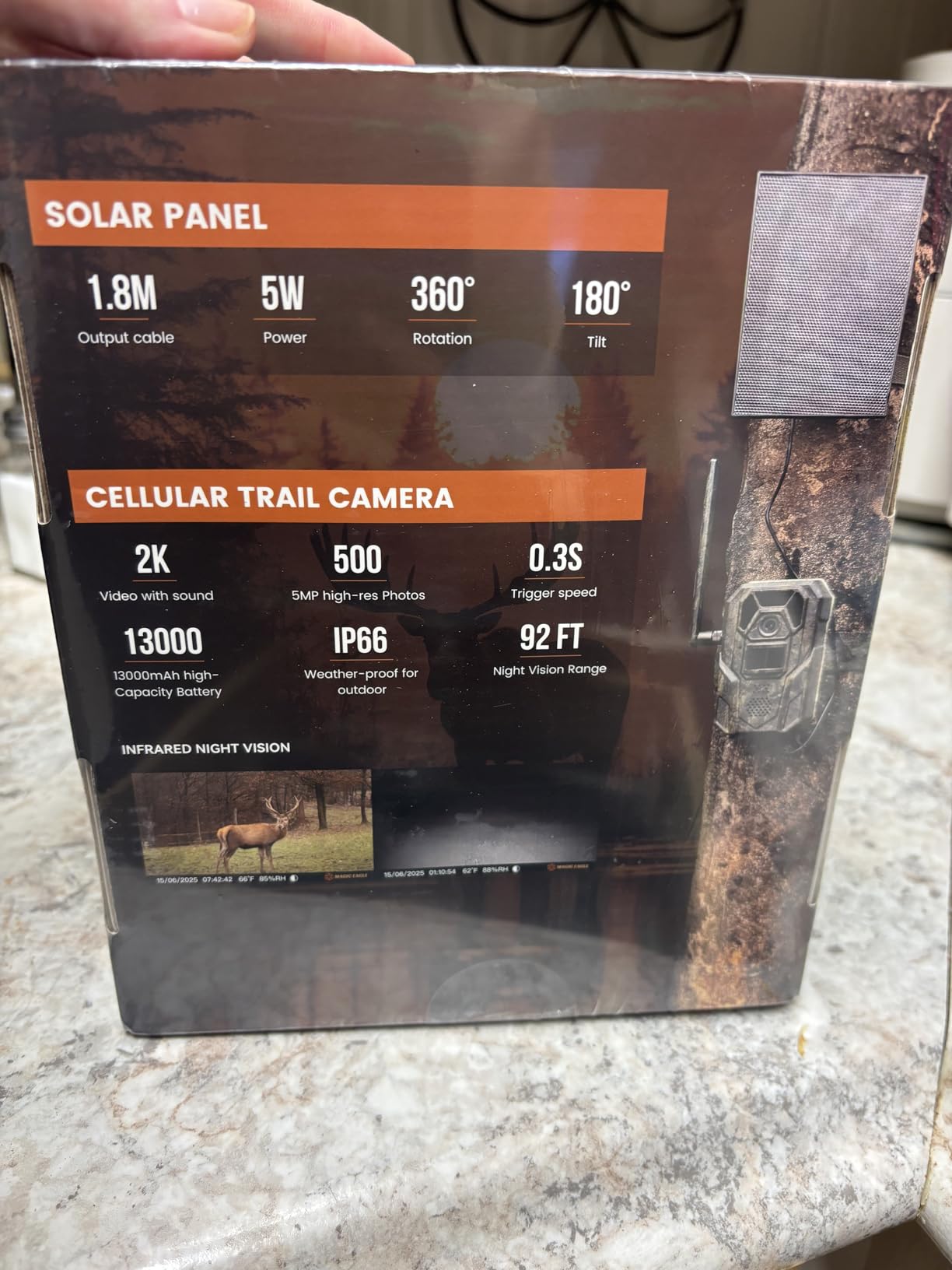
Cloud AI species recognition is the feature owners like most, since it tags deer, predators and other animals and filters the noise out of your alert stream. The app also charts activity frequency alongside temperature and humidity, which helps you read which cameras are sitting over active travel routes. Reviewers describe setup as easy even if they consider themselves technically challenged, which is a real signal for first-time cellular users.
Two anti-theft features matter on public ground. A gravity sensor and A-GPS combination sends tamper alerts and tracks the camera offline if it is moved, and the operating range is rated from -20C to 50C, which covers most deer seasons in the northern states. The warranty is two years plus six months when you register the product.
What the MagicEagle does better than the rest
Solar reliability is the standout, and owners consistently report it charging well through cloudy weeks. The included battery, card and panel mean one purchase covers the field kit. Its 4.8 average across owner reviews is the highest in this roundup, and 85% of those reviews are five-star, which is a genuinely strong distribution rather than a rounding artifact.
Where it loses ground
The 5MP still sensor is the lowest resolution here, so a buck at thirty feet will not give you antler detail the way a 64MP camera will, and the 2K video trails the 4K units. The solar panel mount is supplied with short screws, and some buyers had to source their own. A free data tier covers 100MB, so transmission still needs a plan for regular use.
8. WOSPORTS G600-4K: Best 4K Non-Cellular Camera
WOSPORTS Trail Camera(Non-Cellular Non-WiFi) 64MP 4K 0.2S Trigger Motion Activated,Game Camera with No-Glow Night Vision 2.0”LCD 120°Wide for Outdoor Scouting Wildlife Monitoring Home Security
64MP adjustable stills
4K video
0.2s trigger
32x 940nm no-glow IR to 80ft
2.0-inch color LCD
Pros
- 64MP stills and 4K video above most budget cameras
- 0.2s trigger with 120-degree detection
- Invisible 940nm infrared for night stealth
- On-camera LCD simplifies aiming
- AI species recognition for deer and boar
- Reviewers report strong customer service
Cons
- Battery compartment is very tight and needs a screwdriver
- Settings can be lost while batteries recharge
- Thin mounting straps with no locking clamp
- Some units reset time and date in the field
The WOSPORTS G600-4K is the most complete non-cellular package in this roundup, and it comes with the extras that usually cost extra. The box includes a 16GB memory card, a USB-C cable, a nylon strap and a wall mount. Resolution is adjustable across 5, 16, 36, 48, 56 and 64MP, and video records at 4K or 2560x1440P.
The 2.0-inch color LCD on the back lets you aim the camera and check a frame before you walk away, which removes the guesswork from placement. Night vision uses 32 no-glow 940nm LEDs out to 80 feet, and the 120-degree detection angle covers a good chunk of a corridor. Trigger speed is 0.2 seconds with a one to three shot burst.
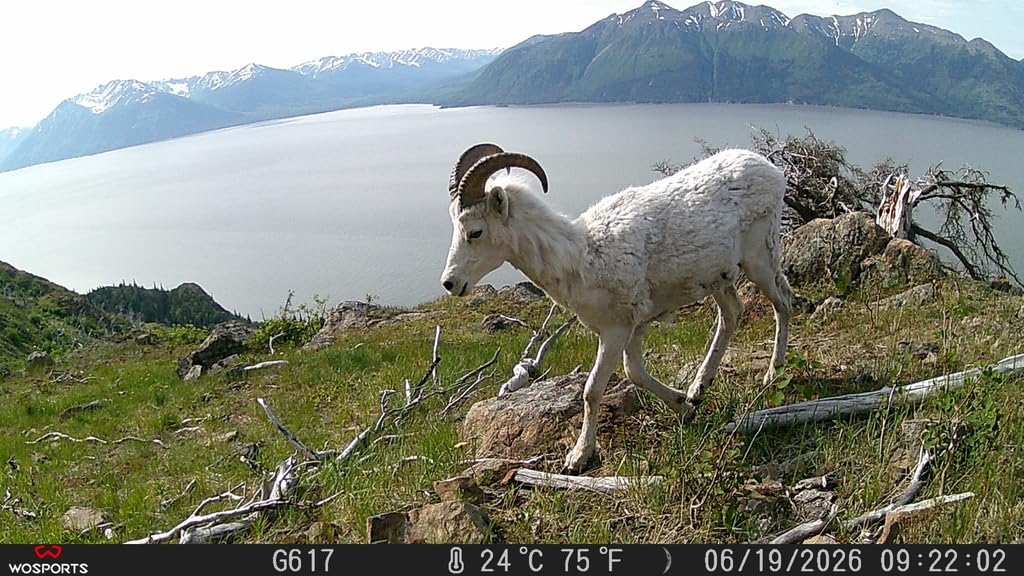
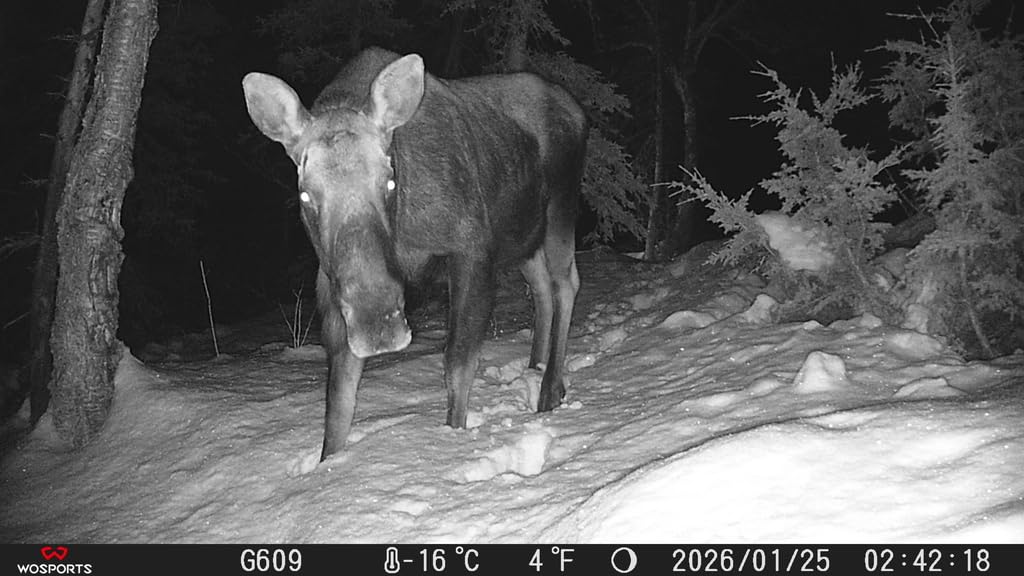
AI species recognition runs in photo mode and identifies deer, bear, wild boar, turkey, wolf and human, which cuts down the empty frames that come from branches and shadows. Storage goes up to 256GB, and power can come from 8 AA batteries, a WOSPORTS lithium battery or a compatible solar panel. Owners consistently call out customer service that handles replacements and refunds without argument.
The physical design is where the compromises sit. The battery compartment is very tight and needs a flathead screwdriver, and some owners reported losing their settings while batteries recharged. The included strap is thin with a buckle that lacks a locking clamp, and a few units reset the time and date in the field, which scrambles your timeline data.
What works well here
The combination of 64MP stills, 4K video, no-glow infrared and an on-camera screen makes this the easiest non-cellular camera to deploy correctly. AI recognition cuts the photo triage time after a week in the woods. And the included card means you can put it up immediately without a separate purchase, which helps if you are heading out on short notice.
What to plan around
Buy a proper steel tree strap with a locking clamp if the camera will be up for weeks, because the included strap is the part most likely to fail first. Lithium AA cells outperform anything else in cold weather. And check the date and time after the first week in the field, because a reset clock wrecks buck movement timelines later.
9. WOSODA G200 Two-Pack: Best Two-Camera Value Pack
WOSODA 2 Pack Trail Cameras with Night Vision Motion Activated Waterproof,48MP Game Camera,1080P HD Trail Cam with SD Card for Wildlife Monitoring,Outdoor Scouting & Security(Non-WiFi)
Two cameras in the box
48MP stills
1080p video
0.3s trigger to 60ft
850nm low-glow IR
Pros
- Two cameras plus two 16GB cards in one purchase
- 0.3s trigger with 60ft detection
- 48MP stills and 1080p video with good detail
- 850nm low-glow infrared keeps night shots discreet
- Mimetic camouflage shell with strap and stand
Cons
- IP65 sealing is below the IP66 of many rivals
- No WiFi or cellular for remote viewing
- Older 48MP sensor generation versus 64MP alternatives
The WOSODA G200 two-pack is the answer for a hunter who wants redundancy without buying two cameras one at a time. Parallel cameras let you confirm travel direction, and forum regulars describe running two or more cameras as standard practice for that reason. This pack also includes two 16GB SD cards, two USB cables, two sets of AA batteries and two wall mounts, so the field kit is complete.
Each camera captures 48MP stills and 1080p video with a 0.3-second trigger and up to 60 feet of detection. Recording modes include single shot, three-shot burst, video, or a mix, which lets you cut down on empty frames from moving branches. The camouflage shell blends well on a tree or a fence post, and the strap plus stand mount give you two ways to position it.
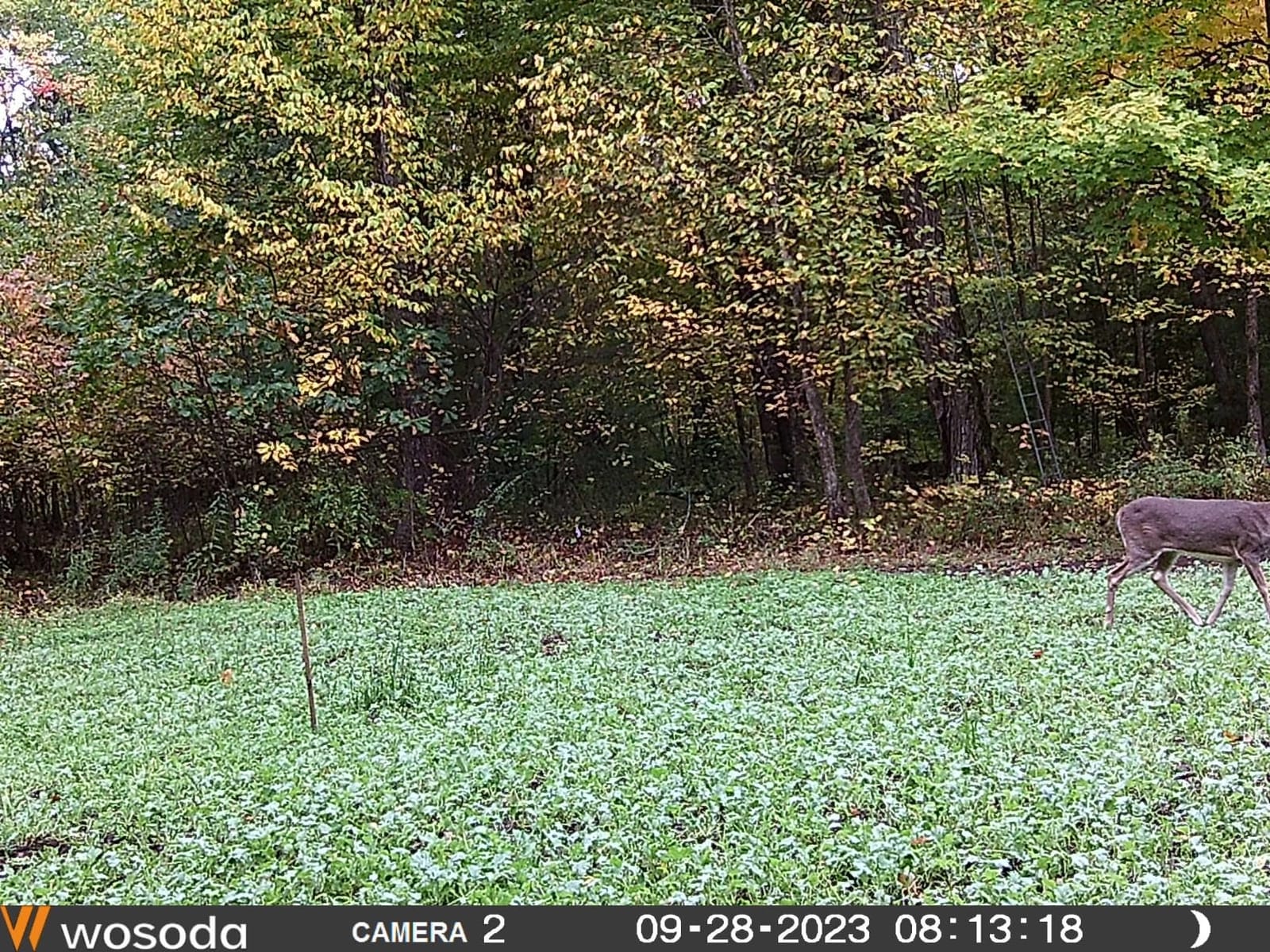
The trade-offs are honest. IP65 sealing is a step below the IP66 on most of the non-cellular cameras here, so it is not the choice for open, exposed ridges in heavy rain. There is no WiFi or cellular option, so you retrieve everything by walking in. And the 48MP sensor is a generation behind the 64MP units, which shows up on distant deer.
Night vision is 850nm low-glow infrared out to 60 feet, which produces brighter night images than a no-glow array but throws a faint red flash. If you are hunting a property where a mature buck has already spooked once, the P70 or the A3S is a better fit. On ground where the deer herd is not yet educated, this pack works fine.
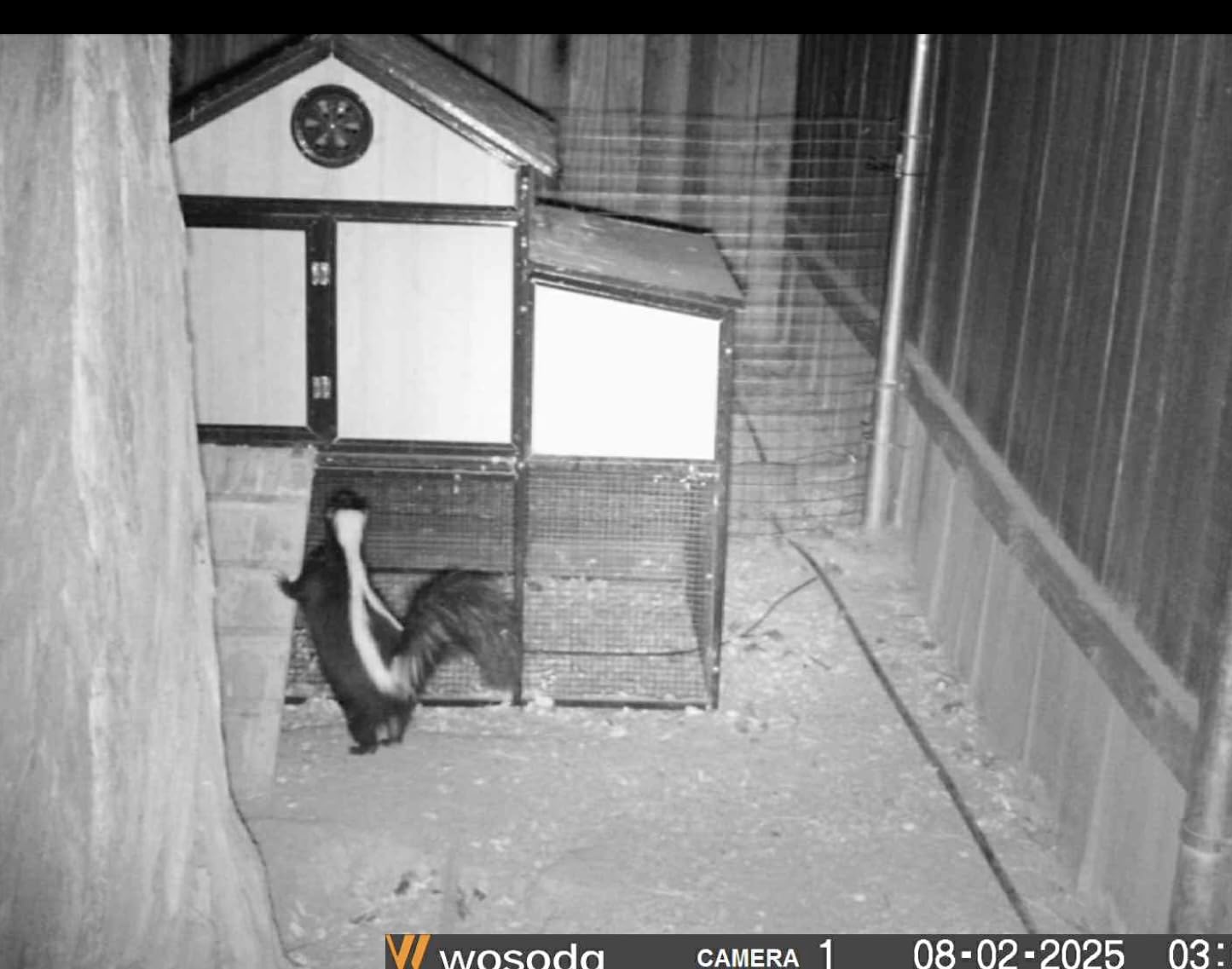
Why the two-pack format wins
Running paired cameras on a corridor or a bedding area gives you the direction of travel, which is information a single camera cannot provide. Splitting them across two favorite spots also protects against theft, since one camera surviving means you did not lose the whole season. Buyers highlight the two-pack value and the included memory cards as the deciding factors.
Where it is the wrong buy
If you need long-range night identification, 60 feet and a low-glow flash will not get you there. The IP65 rating means more rain intrusion risk than the IP66 bodies in this group. And anyone who wants to check images remotely will find nothing but an SD card reader here.
10. CEYOMUR CY95 Solar Camera: Best On-Camera Preview and Fastest Trigger
CEYOMUR 4K 68MP Solar WiFi Trail Camera, Game Camera with 32GB TF Card
68MP stills
4K 30fps video with sound
0.1s trigger with 3 PIR sensors
Solar panel and 5200mAh battery
2.0-inch LCD
Pros
- Solar panel and 5200mAh battery remove frequent battery swaps
- 68MP stills and 4K 30fps video with audio
- 0.1s trigger across a 120-degree PIR zone
- 32GB TF card pre-installed and ready out of the box
- On-camera 2.0-inch LCD for field review
Cons
- Built-in WiFi is a short-range hotspot limited to about 33 feet
- No remote or cellular viewing capability
- 850nm infrared emits a faint red glow at close range
The CEYOMUR CY95 solves the battery problem with a top-mounted solar panel and a 5200mAh internal rechargeable battery, with four AA cells as backup. For a camera going up on a food plot edge or a distant gate where you cannot visit often, that changes how you plan the season. There is no climbing schedule to keep track of.
Trigger speed is 0.1 seconds across three PIR sensors covering a 120-degree zone, which is among the fastest and widest sensitivities in this roundup. Output is 68MP stills and 4K video at 30 frames per second with sound, and bursts run from one to ten frames with video clips up to three minutes. The 2.0-inch color LCD lets you check a frame before you leave.
Storage is a 32GB TF card pre-installed and expandable to 256GB, so it works the day it arrives. Bluetooth pairing and a built-in WiFi hotspot let you preview and change settings in the companion app from roughly 33 feet away, which is enough to fine-tune the angle while standing at the base of the tree. Time stamps, scheduled monitor windows and password protection are all built in, along with a lock hole for a cable.
Two points to understand before you buy. That WiFi is a short-range hotspot created by the camera itself, not a connection to your home network, so it is not remote viewing. And the 850nm infrared produces clearer night detail than a 940nm array but glows faintly red at close range, which is a consideration on ground holding a wary mature buck.
What the CY95 handles well
Solar reliability and the wide, fast trigger are the two things owners praise most. In practice that means fewer visits to swap batteries and fewer deer walking past outside the detection zone. The pre-installed card and the lock hole make it a camera you can deploy on a single trip, and the two-year warranty is longer than the one-year coverage on several rivals here.
What to know before buying
The app is a local preview tool, not a scouting system. If you want photos on your phone from town, this is not the camera. The red glow at night is the other consideration, and while most deer habituate to a camera within days, a buck that has been burned by a flash on the same property may not.
11. WOSPORTS Mini G100: Best Lightweight Budget Pick
WOSPORTS Mini Trail Camera,30MP 1080P HD Game Camera Motion Activated with IR Night Vision Waterproof Video Deer Cam for Outdoor Wildlife Monitoring
30MP stills
1080p video
850nm no-glow infrared
IP66 housing
0.73lb body
Pros
- Compact and lightweight so it is easy to carry and conceal
- 30MP stills and 1080p video give clear daytime frames
- 850nm infrared reduces disturbance to wildlife
- Simple setup with adjustable mounting strap
Cons
- Only 32GB maximum SD card capacity limits recording time
- 30MP resolution trails 64MP and 68MP alternatives
- SD card and batteries not included
The WOSPORTS Mini G100 is the camera to carry when you are walking your deer country rather than driving to it. At 0.73 pounds and 4.25 by 4.21 by 3.43 inches, it disappears on a strap and you can put two in a pack without noticing. Several hunters carry a small camera like this to check a bedding area or a water source on foot, then leave a larger unit on a main corridor.
Photo output is 30MP stills and 1080p video, which is plenty for confirming a travel route or counting deer in a group. The PIR trigger is fast, and the 850nm infrared keeps the night flash discreet while still producing usable low-light frames. The housing is IP66 rated and made of ABS, with a tree or wall mount using an adjustable strap.
Setup guidance recommends mounting three to four feet from the target area, which suits deer moving at ground level through brush. The camo finish blends well in a thicket. It is a simple device with a simple job, and it does that job without draining batteries faster than a larger body would.
When the Mini G100 makes sense
Walk-around scouting, a secondary camera at a second stand, or a first camera for someone who is not sure how much they will use it. Because it is light, you can check several spots in one afternoon and reposition based on what you see. Reviewers favor the small camouflage footprint and the clarity of the daylight photos.
Where it stops being enough
Storage caps at 32GB, which means pulling cards more often on a camera left out through a full fall. The 30MP sensor produces softer frames than the 64MP and 68MP models, particularly at distance. Neither the card nor the four AA batteries are included.
12. Digitgarden 4K WiFi Trail Camera: Best Starter Bundle with App Access
Digitgarden WiFi Trail Camera 4K 48MP, Night Vision Game Camera for Wildlife Hunting, 0.1s Trigger IP66 Waterproof (32GB Card Included)
48MP stills
4K video
0.05-0.3s trigger
940nm no-glow IR to 100ft
32GB card and reader included
Pros
- Everything needed to get started is in the box
- Good day and night image quality for the cost
- On-camera LCD and wide field of view cover more ground
- App setup and file download over WiFi or Bluetooth are quick
- Survived torrential rain outdoors
Cons
- WiFi range is limited to about 30 feet
- Camera stops recording while the app is open
- SD card recognition is unreliable across units
- Slow non-adjustable shutter captures rear views of moving deer
The Digitgarden is the most straightforward starting point in this roundup, and the box settles most of the usual first-purchase questions. A 32GB microSD card and a card reader are included, along with a belt and USB cable. Output is 48MP stills and 4K video, and the trigger speed is listed between 0.05 and 0.3 seconds with PIR detection out to 98 feet.
Night vision is 940nm invisible infrared out to 100 feet with adaptive lighting, so deer will not see the flash. The camera creates its own WiFi hotspot and pairs over Bluetooth with the TrailCam Pro app, which means you can pull a photo to your phone while standing at the tree. Reviewers with long experience rank its photo quality above several well-known budget brands.
Why it earns a place
The combination of included storage, a card reader, no-glow infrared and a 100-foot range means a first-time buyer can get a working camera out of one box with no extra purchases. The IP66 housing held up through torrential rain in owner reports, and the on-camera LCD plus wide viewing angle help you frame the shot on the first try.
What to watch
The app pauses recording while it is open, so close the app before you walk away or you lose frames. WiFi range is roughly 30 feet and degrades at the edge. SD card recognition is unreliable across units and sometimes needs an adapter swap, and a smaller group reported screen failure after a year or complete failure around the two-year mark, so keep your footage backed up.
How to Choose a Trail Camera for Deer Hunting
Choose on trigger speed and flash type first, then everything else is a preference. Those two specs decide whether the camera produces usable buck photos on the nights that matter, and no other feature compensates for getting them wrong.
Trigger speed is the gap between the deer entering your detection zone and the shutter opening. Anything at or under 0.3 seconds is fine for most deer work. Recovery time is a different number that hunters often confuse with trigger speed. Trigger speed is how fast the camera starts recording after motion is detected. Recovery time is how long before the camera can respond again, and a fast trigger with a slow recovery means you get one clean frame of a walking buck and nothing of the rest.
Night flash type is the second decision, and it is a deer behavior question rather than a spec contest. No-glow infrared at 940nm is invisible to deer. Low-glow at 850nm produces brighter, more detailed night images but throws a faint red flash that a wary deer can notice. If your target is a mature buck on pressured ground, stay with 940nm. If you are watching a food plot where deer already tolerate cameras, low-glow is acceptable for the better night detail.
Megapixels need context, because manufacturers inflate them. Interpolated resolution is a software process that enlarges a smaller native sensor image, which produces a large number without adding detail. Look at native sensor size and lens aperture instead. The GardePro A3S uses a Sony Starvis CMOS sensor, and the Meidase P70 pairs a 64MP still sensor with an f/1.6 aperture lens. Both gather light better than a higher-megapixel camera with a small sensor and a slow lens.
Cellular versus non-cellular comes down to how often you want to see images and how much you care about running cost. A non-cellular camera writes to an SD card and costs nothing to run after purchase. A cellular camera sends photos to your phone over multi-carrier LTE and needs a data plan for the life of the camera. Hunters who scout occasionally usually come out ahead buying non-cellular. Hunters running six cameras across a property and checking twice a day usually want cellular.
For cold weather, power choice matters more than most buyers expect. Lithium AA cells outperform alkaline in cold conditions, and rechargeable NiMH cells perform poorly in cold housings. Solar panels reduce the number of trips up a ladder but do not eliminate them, since panels need direct sun and leaf cover defeats them. Budget eight lithium cells per camera and a rotation schedule rather than assuming a single set carries the season.
Storage and weather sealing round out the practical checks. Look for IP66 if your cameras sit in exposed ground, and check whether the card ceiling supports the length of deployment you have in mind. A 256GB or 512GB ceiling matters when cameras stay up through October without a mid-season visit. Also look at the mounting standard, because a 1/4-20 threaded mount accepts far more hardware than a proprietary strap.
One last item belongs in every buyer’s research. Trail camera rules vary by state, and some states restrict cameras for scouting purposes or limit them on specific public land. Pennsylvania, for example, restricts trail camera use on state forest land. Rules change, so check your state wildlife agency and any land-specific regulations for where you plan to hunt before you buy, not after.
Where to Mount Cameras for Deer
Mount cameras four to six feet off the ground, angled slightly downward, and place them on the side of the trail rather than directly beside it. That height catches a full buck body and antlers while keeping the lens out of reach of curious livestock or a passing ATV. Angling down about ten degrees keeps the detection zone on the trail surface where the deer actually walk.
Placement depends on the target. On a travel corridor between a bedding area and a feeding field, mount facing a natural choke point such as a fence gap or a creek crossing, and set the detection band as narrow as the camera allows. On a bedding area, mount on the downhill side pointing up at the standing deer, since bucks bed on slopes where they can see and smell danger. At a scrape or rub, mount low and close, because a buck working a scrape often stops close to the tree.
Give yourself a second angle on the same location whenever you can. Forum regulars describe running parallel cameras as the standard way to confirm which direction deer are moving, and a second camera on the opposite side also protects your data if one gets knocked over or stolen. This is where a two-pack such as the WOSODA G200 earns its place.
Seasonal settings matter more than most guides admit. During the pre-rut, drop the sensitivity a notch so the card fills with relevant deer instead of moving branches. Through the rut, move cameras closer to travel corridors because bucks stop moving long-range routes and stay closer to doe groups. After the rut, widen the detection zone and raise sensitivity, because bucks become more solitary and less predictable and you want every frame you can get on lone deer.
Finally, protect your scent and your equipment. Hang the camera on a strap rather than a screw when a deer could reach it, keep your own scent off the mounting tree, and consider a cable lock on public land. If you also manage the property, pairing cameras with a deer feeder in the right places pulls movement into the frame the camera is pointed at. For yards rather than timber, our guides on deer repellents for gardens and deer repellent devices cover the other side of the problem.
Frequently Asked Questions
What states have banned trail cameras for hunting?
Rules vary and they change. Some states restrict trail cameras for scouting or limit them on specific public land, and Pennsylvania, for example, restricts trail camera use on state forest land. Several states regulate cameras on state wildlife areas or during specific hunting seasons rather than banning them outright. Check your state wildlife agency and any land-specific rules for where you plan to hunt before you buy or deploy a camera.
How do trail cameras work?
A passive infrared sensor detects the heat signature and movement of an animal entering the detection zone, which triggers the camera to capture a still photo or video clip. Non-cellular models save files to an SD card that you retrieve in person. Cellular models compress the file and send it over 4G LTE to a companion app, which is why they require a data plan and a cellular signal.
Do deer notice trail cameras?
Most deer habituate to a camera within a few days and pay little attention to the box itself. The exception is the flash: 850nm low-glow infrared throws a faint red glow that a wary deer can notice, while 940nm no-glow infrared is invisible. If your target is a mature buck on pressured ground, choose 940nm and mount the camera away from any human scent or disturbance.
Can you use a deer camera as a security camera?
Yes, with caveats. Trail cameras record on a motion trigger rather than continuously, most models have no two-way audio, and the narrow field of view and infrared-only night image are designed for close wildlife rather than a full yard. The cellular models in this roundup send real-time alerts to a phone and some stream live video, which makes them the closest thing to a security system.
How high should I mount a trail camera for deer?
Mount it four to six feet off the ground and angle it slightly downward toward the trail surface. That height captures a full buck body and antlers, keeps the lens above reach, and keeps the detection zone where deer actually walk. On a bedding area, place the camera on the downhill side pointing up at standing deer, and narrow the detection band on a corridor to cut down on empty frames from moving branches.
Final Verdict
The GardePro A3S is the best trail camera for deer hunting in 2026, and it wins on the combination of a Sony Starvis sensor, a 0.1-second trigger and 100 feet of invisible infrared rather than on any single headline number. The Meidase P70 is the choice if you are hunting mature bucks and will not accept a visible flash, and the GardePro E5S covers the most ground per mount with its 120-degree view.
Pick a cellular model such as the TACTACAM Reveal X 3.0 or the Moultrie Edge 2 if you want images from remote ground, and accept the data plan as the running cost of that convenience. Pick a non-cellular model if you scout a few times a season and would rather own the camera outright with no monthly fee. Whatever you choose, mount it four to six feet up on a corridor, aim it at the trail, and check your state rules before you hang it.