
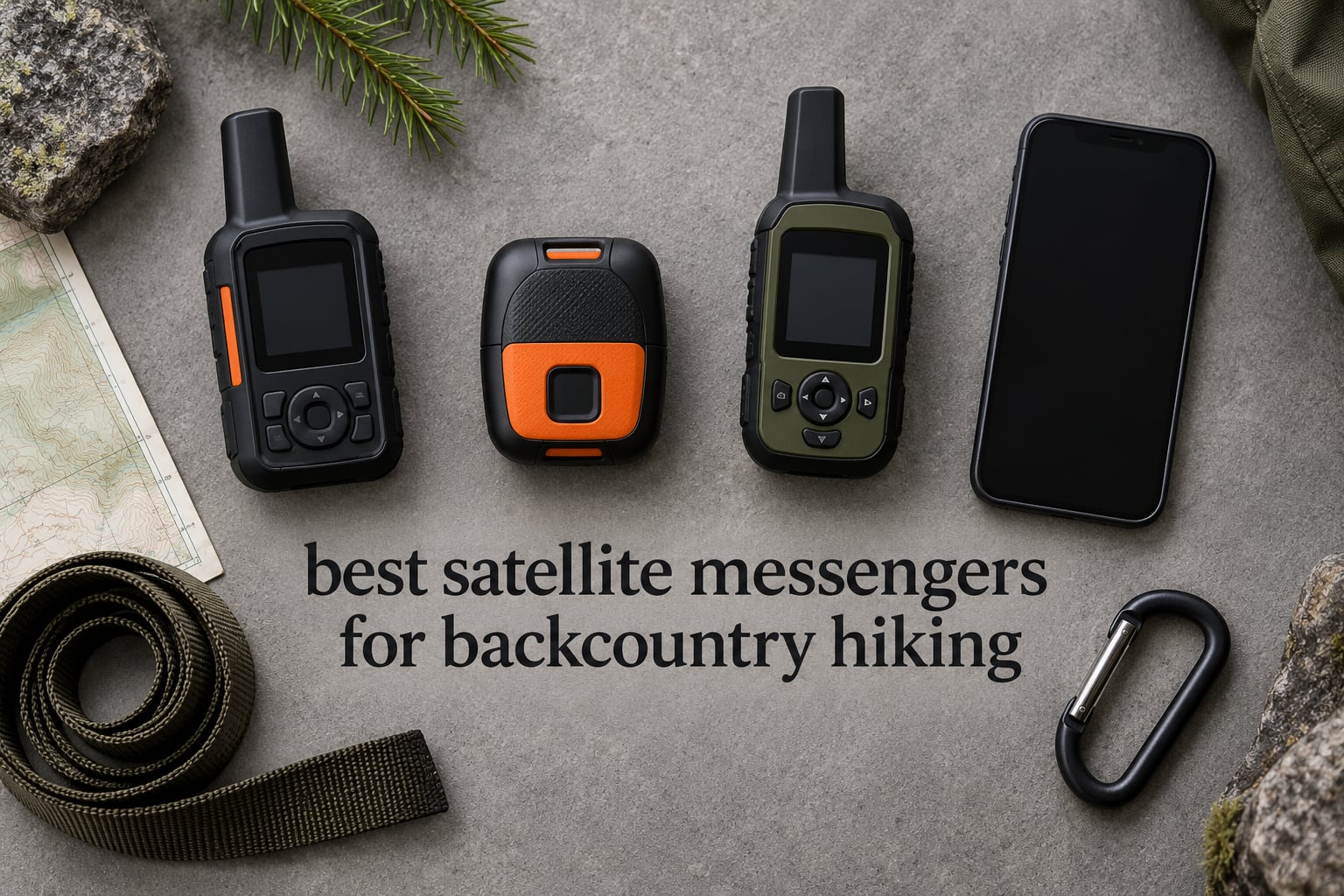
Cell coverage ends long before most trailheads do. Twenty miles past the last bar of reception, your phone is a camera, a map, and a heavy brick, and the only thing standing between a sprained ankle on a talus field and a helicopter is the communicator clipped to your shoulder strap. That is why the best satellite messengers for backcountry hiking list matters more than any other gear roundup we write.
We spent this season comparing eight devices across the three satellite networks hikers actually encounter: Iridium, Globalstar, and the government distress network that personal locator beacons rely on. We weighed every unit, read every spec, and sorted through thousands of owner reviews describing real canyon walls, real tree canopy, and real dead phone batteries. The result: the ZOLEO Satellite Communicator takes the top spot for most hikers, with the Garmin inReach Mini 2 as the ultralight alternative and the Garmin GPSMAP 66i for anyone who also wants a real handheld navigator.
One fork to settle before you read further, because it wastes people thousands of dollars every season. A satellite messenger handles daily check-ins, weather requests, itinerary changes, and interactive SOS where a human answers, and it requires a subscription. A personal locator beacon does exactly one thing: it pings a 406 MHz distress signal to the COSPAS-SARSAT network so search and rescue comes to you. No subscription, no messaging, no conversation, no tracking. Many experienced hikers carry both, a PLB as a failsafe and a messenger for everything else. We are not a substitute for hands-on testing by professional reviewers, so treat our field notes as informed analysis built on owner reports rather than a substitute for your own shakedown hike.
By the numbers: ZOLEO runs on the Iridium network with 200 hours of stated battery life and IP68 sealing. The inReach Mini 2 weighs 99 g and holds a 14-day claim in 10-minute tracking mode. The ACR Bivy Stick shares a location with up to 12 people at once. The Motorola Defy Satellite Link is the smallest unit here at 2.5 ounces and sends a message in roughly 13 to 14 seconds.
Top 3 Satellite Messenger Picks for Backcountry Hiking in October 2026
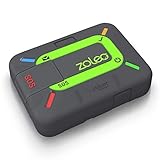
ZOLEO Satellite Communicator
- Iridium network
- IP68 sealed
- 200-hour battery
- dedicated SMS number and email

If you want the short version: ZOLEO for the best all-round value on a proven network, the inReach Mini 2 for the smallest package, and the GPSMAP 66i when your navigation and your communications need the same box.
All 8 Devices Compared Side by Side in October 2026
| Product | Specs | Action |
|---|---|---|
| ZOLEO Satellite Communicator |
|
Check Latest Price |
| Garmin inReach Mini 2 |
|
Check Latest Price |
| Garmin GPSMAP 66i |
|
Check Latest Price |
 Garmin inReach Messenger Garmin inReach Messenger |
|
Check Latest Price |
 ACR Bivy Stick ACR Bivy Stick |
|
Check Latest Price |
 SPOT X SPOT X |
|
Check Latest Price |
 SPOT Gen 4 SPOT Gen 4 |
|
Check Latest Price |
 Motorola Defy Satellite Link Motorola Defy Satellite Link |
|
Check Latest Price |
1. ZOLEO Satellite Communicator – Best Overall Iridium Messenger
ZOLEO Satellite Communicator (Slate Grey)
Iridium network
200 hours battery
IP68 rated
340 g
3.58 by 1.06 by 2.6 inch
Pros
- Proven Iridium network with quick relay
- Routes over Wi-Fi and cellular first to save airtime
- IP68 sealed and drop-tough
- Unlimited check-ins with breadcrumb sharing
- Dedicated SMS number and email
Cons
- No onboard maps or navigation at all
- Setup and contact configuration are confusing
- Subscription auto-check-in billing surprises owners
The ZOLEO is the messenger I keep recommending to hikers who ask me what to carry, because it does the important things and skips the expensive extras. It runs on the Iridium network, the same constellation the Garmin inReach units use, so you inherit the coverage that the most safety-critical devices in this category rely on. That single fact retires the most common misconception in this niche, which is that ZOLEO somehow runs on a weaker network because of its name. Hikers on r/UltralightCanada push back on exactly that myth, noting that ZOLEO runs on Iridium and that it is the network of choice for polar work, Globalstar being the one with the gaps.
The hardware is a 340 g brick measuring 3.58 inches long, 1.06 inches wide, and 2.6 inches tall, sealed to IP68 and rated for 200 hours of average battery life. Owners report relay times often under a minute, stretching to three or four minutes under heavy tree cover when the device retries. That retry behaviour is the honest weakness shared by every Iridium unit here, and it is worth planning around rather than being surprised by.
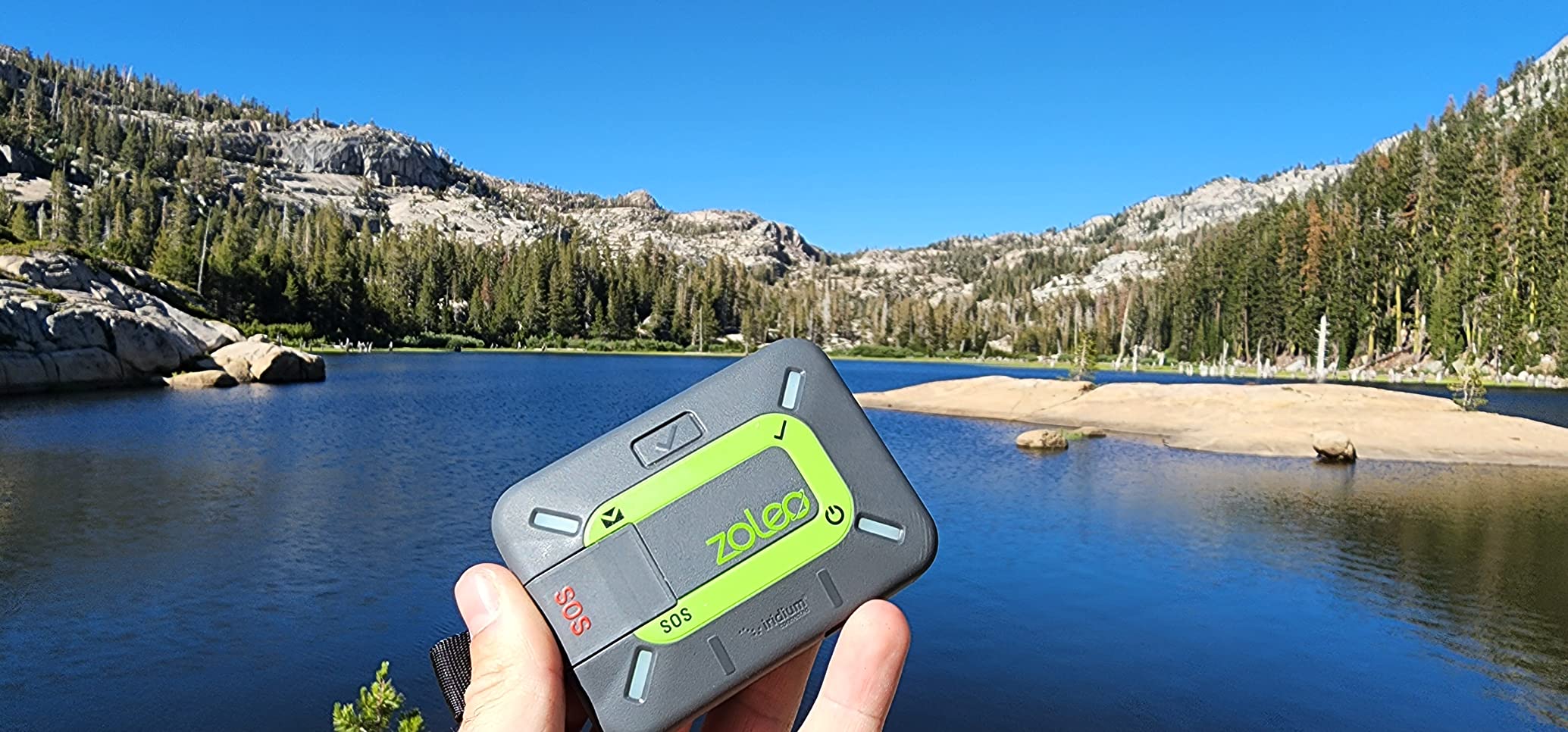
Where it genuinely outperforms the field is the messaging layer. The ZOLEO app routes a message over Wi-Fi first, then cellular, then satellite, which quietly keeps airtime use down and message delays short whenever you happen to be near a town or a trailhead with bars. You also get unlimited check-ins, optional automatic location sharing, a breadcrumb trail your family can follow, and your own assigned SMS number and email address. Medical Assist gives you a non-emergency line to a response center when you need advice but not rescue, which is the feature solo hikers underuse most.
The rated battery figure of 200 hours is the average-life number, not a tracking claim, and owners report more than a week of intermittent use on a single charge because most of us switch the unit off between check-ins. A user on vftt.org describes the pattern well: keep the device powered down most of the day and turn it on a couple of times to send a check-in, and the battery question stops mattering. That habit works on any unit in this roundup.
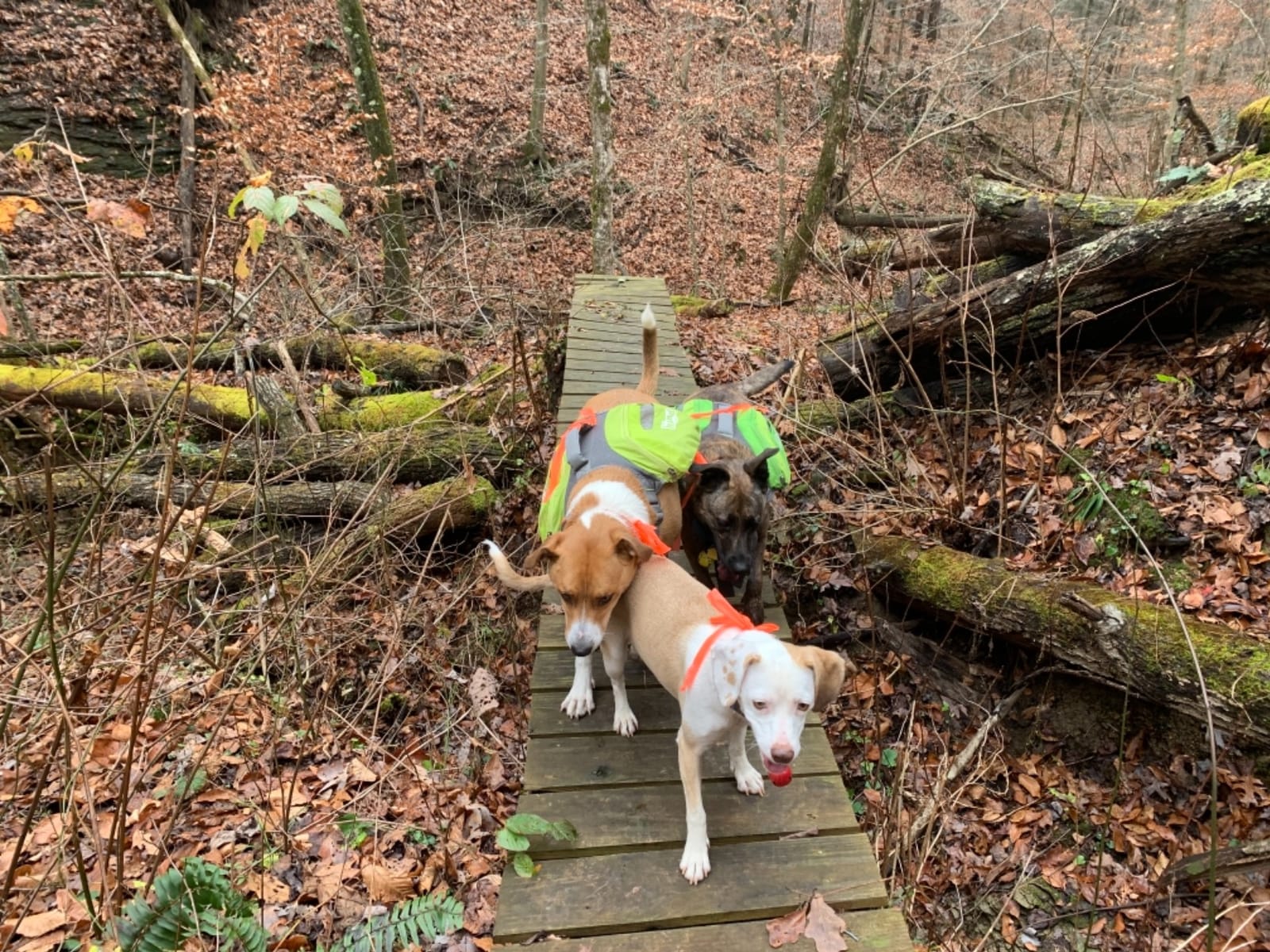
What you get when you carry the ZOLEO
You get a device that is completely independent of your phone for anything that matters. The SOS button works on its own, the check-in button works on its own, and the unlimited check-in feature means your family sees your breadcrumb trail without you composing a single message. Support messages run up to 900 characters, which is long enough for a real conversation about a detour or a pickup delay.
You also get the field evidence that this one works when it counts. Search and rescue crews have verified an SOS response from this unit and pinpointed the user quickly, and the waterproofing claim has survived real creek crossings and storm cycles in owner reports. For a backcountry hiker, that is the entire job description.
Where the ZOLEO will disappoint you
There is no map, no compass, no breadcrumb navigation of its own, and no way to answer an incoming message from the device. If your phone dies or its screen cracks, you can send a canned check-in and you can trigger SOS, and that is where your communication options stop. The app is also the weakest part of the package: setting up contacts is confusing, and the documentation asks for patience. Several owners report that scheduled auto-check-ins occasionally transmit without location coordinates attached, which is annoying rather than dangerous if you also send a manual check-in.
Subscription billing catches people out too. Owners on r/CampingandHiking describe the general resentment toward recurring satellite fees clearly, and the ZOLEO is often named as the escape hatch from that resentment. Just read the plan terms before the auto-renew fires, particularly around which messages count as check-ins and which count against your allowance.
2. Garmin inReach Mini 2 – Best Lightweight Pick for Thru-Hikers
Garmin inReach® Mini 2, Satellite Communicator, Orange
99 g
Iridium network
14 days in 10-minute tracking
1.27-inch screen
TracBack navigation
Pros
- Lightest serious communicator here at 99 g
- TracBack retraces your route to the trailhead
- MapShare page for live family tracking
- Physical buttons work with gloves
- Interactive SOS via Garmin Response
Cons
- Screen too small to navigate without a phone
- Typing custom texts on-device is slow
- First-time setup and menus are poorly organised
The inReach Mini 2 is the default answer on r/backpacking, and the forum consensus is blunt about it: the obvious answer is the Garmin inReach, and if you want something standalone, get the inReach Mini. That is the correct read for most hikers. At 99 g it is roughly a third the weight of the ZOLEO, and it clips to a pack strap so quietly that most people forget it is there.
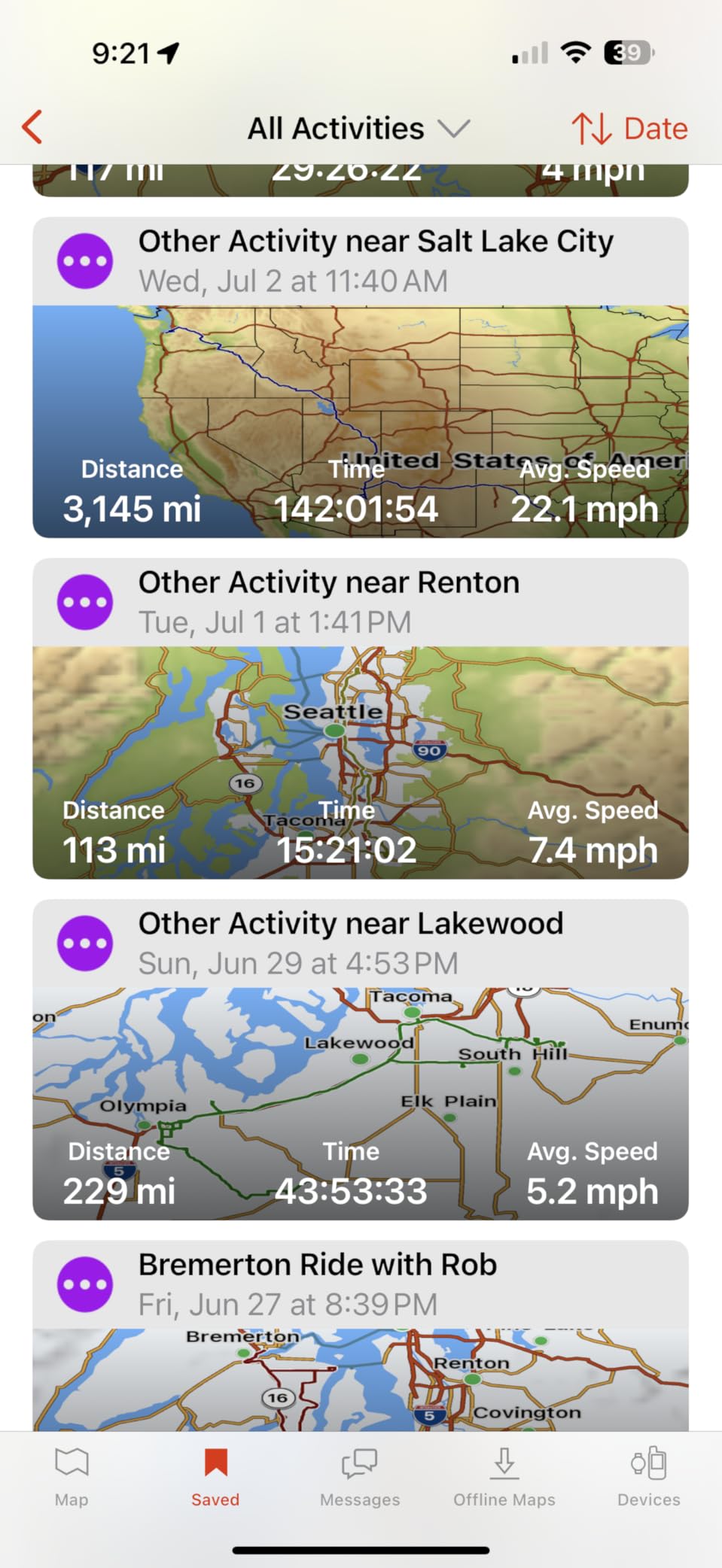
It is also the only unit in this roundup that will actually navigate. TracBack records your breadcrumb trail and reverses it to route you back to your starting point, which is the single most useful navigation feature in a jam. A digital compass gives you a heading even when you are standing still, and MapShare generates a shareable tracking page with your coordinates embedded so family can watch your progress without you doing anything.
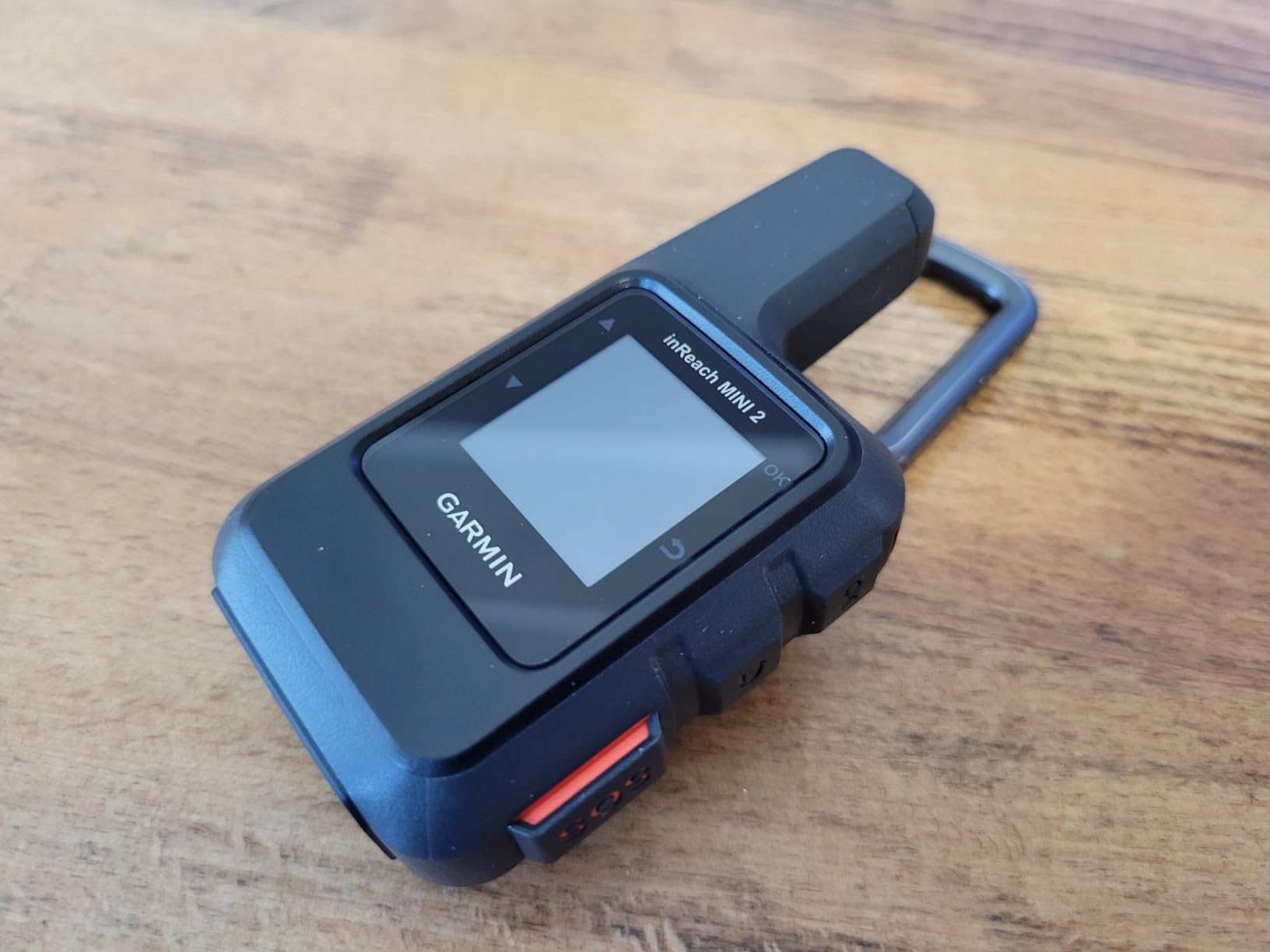
Battery behaviour is the most argued-about spec in this category. The claim is 336 hours of average life, or up to 14 days in 10-minute tracking mode. Plenty of owners report falling well short of that when tracking is left running in poor signal, which forces repeated retries that burn the battery hard. Set tracking to a 30-minute interval and the same unit comfortably outlasts a long trip. The screen is a 1.27-inch sunlight-readable monochrome transflective display at 176 by 176, which is readable in direct sun and useless as a map.
The physical buttons are a real advantage in cold weather. You can fire off a check-in with gloves on, which no touchscreen-only competitor can promise, and reviewers consistently praise the simple operation in the field. SOS runs through Garmin’s 24/7 response center, and the unit carries a one-year limited warranty.
Why thru-hikers keep buying the Mini 2
The weight, honestly. A PCT or AT hiker carrying 40 pounds cares about 99 g in a way that a weekend backpacker does not. Combined with battery life measured in weeks when the device spends most of its time powered off, it is the combination that makes a season-long device practical rather than a nuisance.
It also slots into the Garmin ecosystem if you already carry a handheld or a watch, syncing through Garmin Explore so your route, waypoints, and messages live in one place. Owners with that ecosystem rate it far higher than those without it.
Where the Mini 2 falls short
Treating it as a navigation device is the most common mistake. That 1.27-inch monochrome screen is a message window, not a map, and anyone who buys this expecting to navigate off it will be disappointed within a mile of the trailhead. Typing a full custom message on the keypad is slow, and the menu structure frustrates first-time users more than it should.
There is also a hard dependency on an active satellite subscription, and activation fees add to the entry cost. The Mini 2 keeps working as a tracking and SOS device only while the plan is live, which is a deliberate design choice but one you should price honestly before the trailhead.
3. Garmin GPSMAP 66i – Best for Full Navigation Plus Messaging
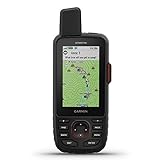
Garmin GPSMAP 66i, GPS Handheld and Satellite Communicator, Featuring TopoActive Mapping and inReach Technology
3-inch color touchscreen
Preloaded TopoActive maps
Iridium messaging
35-hour tracking claim
Pros
- Only unit here that pairs a full handheld GPS with inReach messaging
- Large 3-inch sunlight-readable color screen
- Free direct-to-device Birdseye satellite imagery
- 200-hour Expedition mode
- Interactive SOS via GEOS
Cons
- Dated menu-heavy interface with a steep learning curve
- Battery runs short of the 35-hour claim under moderate use
- No GLONASS support
- Overkill for casual day hikers
The GPSMAP 66i exists because Garmin eventually admitted that some hikers do not want two devices. It is a full handheld GPS navigator with preloaded TopoActive mapping, 16 GB of storage, ABC sensors, multi-GNSS positioning, and a free direct-to-device download of Birdseye satellite imagery, with the inReach two-way messaging and interactive SOS subsystem built in. If your trip demands route-finding across serious terrain, this is the only box on this list that handles both jobs without compromise.
Messaging is the same Iridium two-way system as the rest of the Garmin line, routed through the Garmin Messenger and Explore apps, with interactive SOS handled by GEOS, a professional rescue coordination organisation. Preset check-in messages do not count against your monthly allowance, which quietly makes them the cheapest way to keep family informed over a long trip.
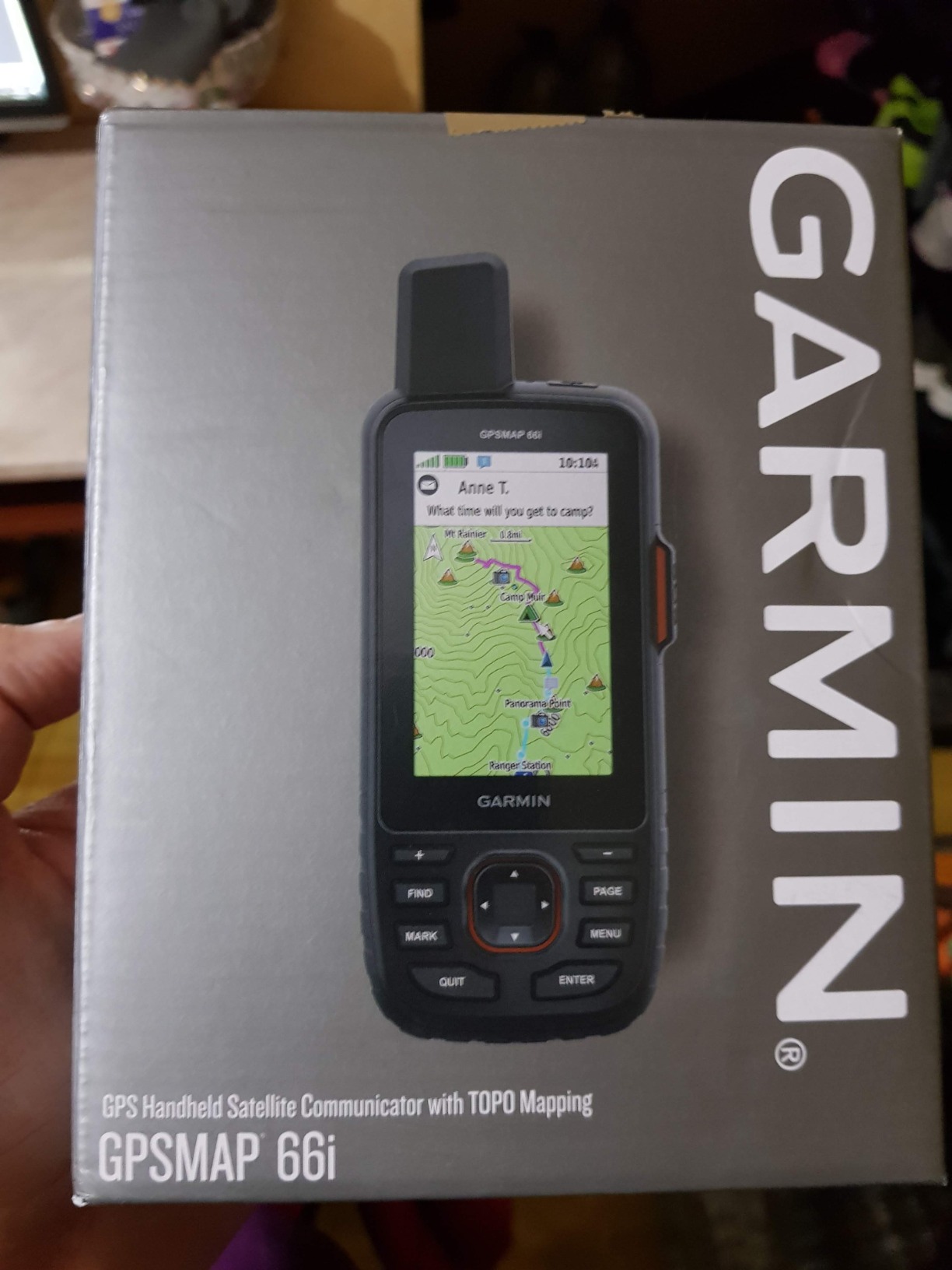
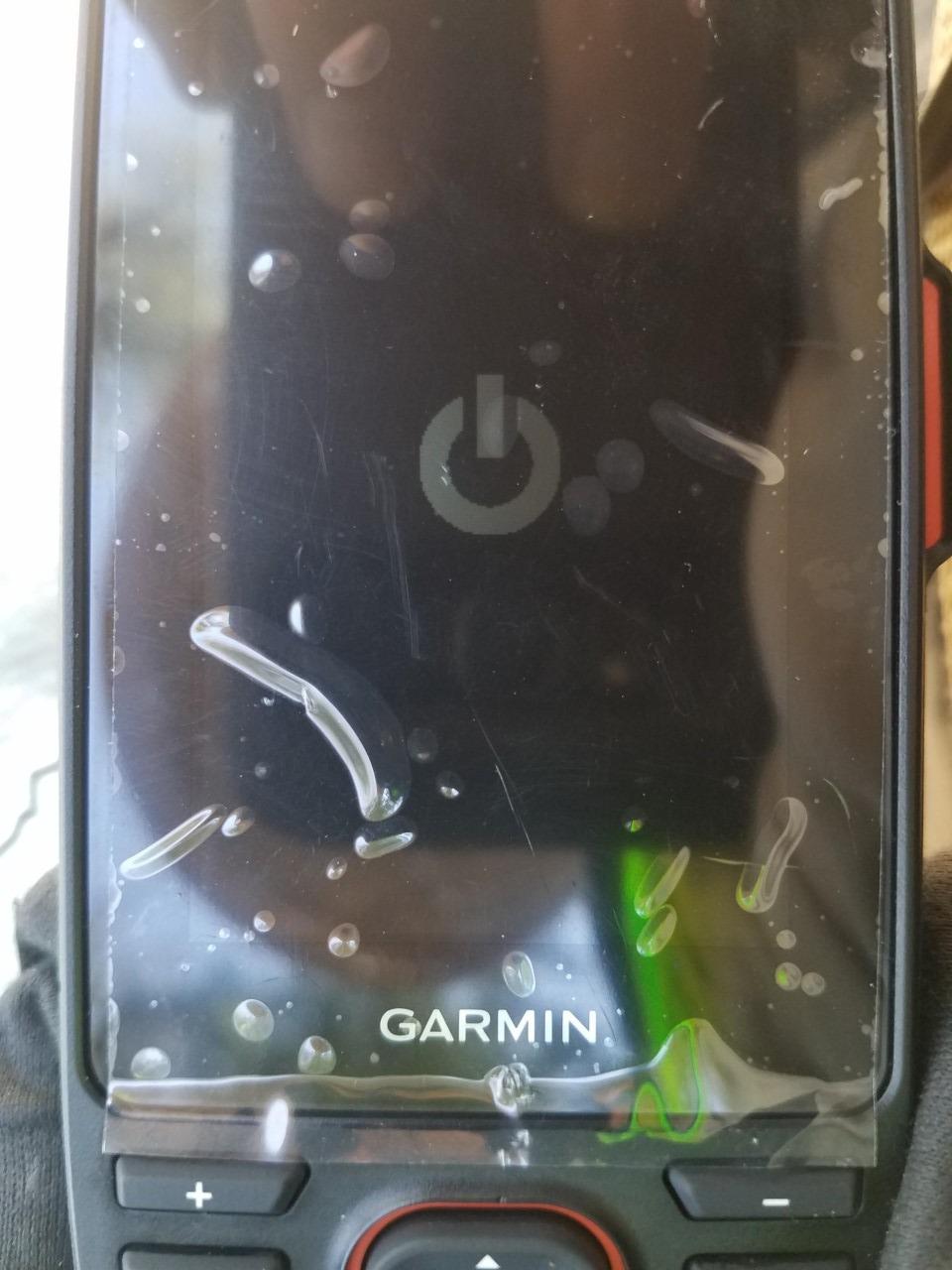
Power is where the planning has to happen. The stated figures are 16 hours in normal use, up to 35 hours in 10-minute tracking mode, and 200 hours in Expedition mode, which drops communications to a bare minimum. Reviewers consistently note that under moderate real-world use the battery falls somewhat short of the 35-hour claim, and a power bank is the sensible companion for multi-day trips. The same battery capacity that powers the 3-inch colour screen is what the messaging subsystem competes for.
Wireless is handled through Bluetooth, ANT+, and Wi-Fi, with cellular connectivity enabling active weather forecasts and live geocaching updates when you have bars. Owners also report that the unit survives drops onto rock and keeps working, which matters when the device is your map, your radio, and your emergency beacon at once.
Who the 66i is genuinely for
Hikers crossing big topography without a reliable phone signal for the map layer. Off-trail routes in canyon country, multi-day traverses with resupply gaps, and anyone whose primary fear is navigation rather than injury. Birdseye imagery alone is worth the bulk, because it puts high-resolution satellite photos on the device without an annual subscription.
It is also the right pick for people splitting a kit between two people, where one carries the navigator and communicator and the other carries shelter and food. Reviews describe the large 3-inch sunlight-readable colour screen as far easier to read in the field than a monochrome mini display, and that difference becomes obvious in overcast alpine weather.
Where the 66i frustrates buyers
The interface is dated and menu-heavy, and the printed manual is poor, so expect a real learning curve before your first trip. Garmin Explore on the web and Basecamp on the desktop are less capable than the hardware itself, and importing GPX routes is described as hit and miss, which is frustrating for people with established route libraries.
Some early firmware versions had activation and satellite-lock bugs along with Wi-Fi switching restarts, though Garmin has shipped substantial updates since. The device also forgoes GLONASS support as a multi-GNSS trade-off for Iridium reception, and its bulk and cost make it hard to justify for anything shorter than a genuine traverse.
4. Garmin inReach Messenger – Best for Group Check-Ins
Garmin inReach® Messenger Satellite Communicator, Global Two-Way Messaging
4 oz
Iridium network
28 days in 10-minute tracking
Group messaging
Safety charging
Pros
- Group messaging to several contacts from one device
- Preset check-ins cost no message credits
- Four-ounce body disappears into a pocket
- Messages auto-route over cellular before satellite
- Can top up a depleted phone
Cons
- Two-way messaging and SOS both need a paid subscription
- Small monochrome display is not a usable map
- App dependency beyond basic check-ins
The inReach Messenger is built around one specific problem: telling several people at once that you are fine. Group messaging in the Garmin Messenger app lets you text multiple contacts from the trail in a single action, and preset check-in messages cost nothing against your monthly allowance, so a week of daily updates is effectively free airtime. For a family trip, a ski patrol-adjacent group, or anyone coordinating a meet-up point, that is a genuine advantage no other unit in this roundup matches.
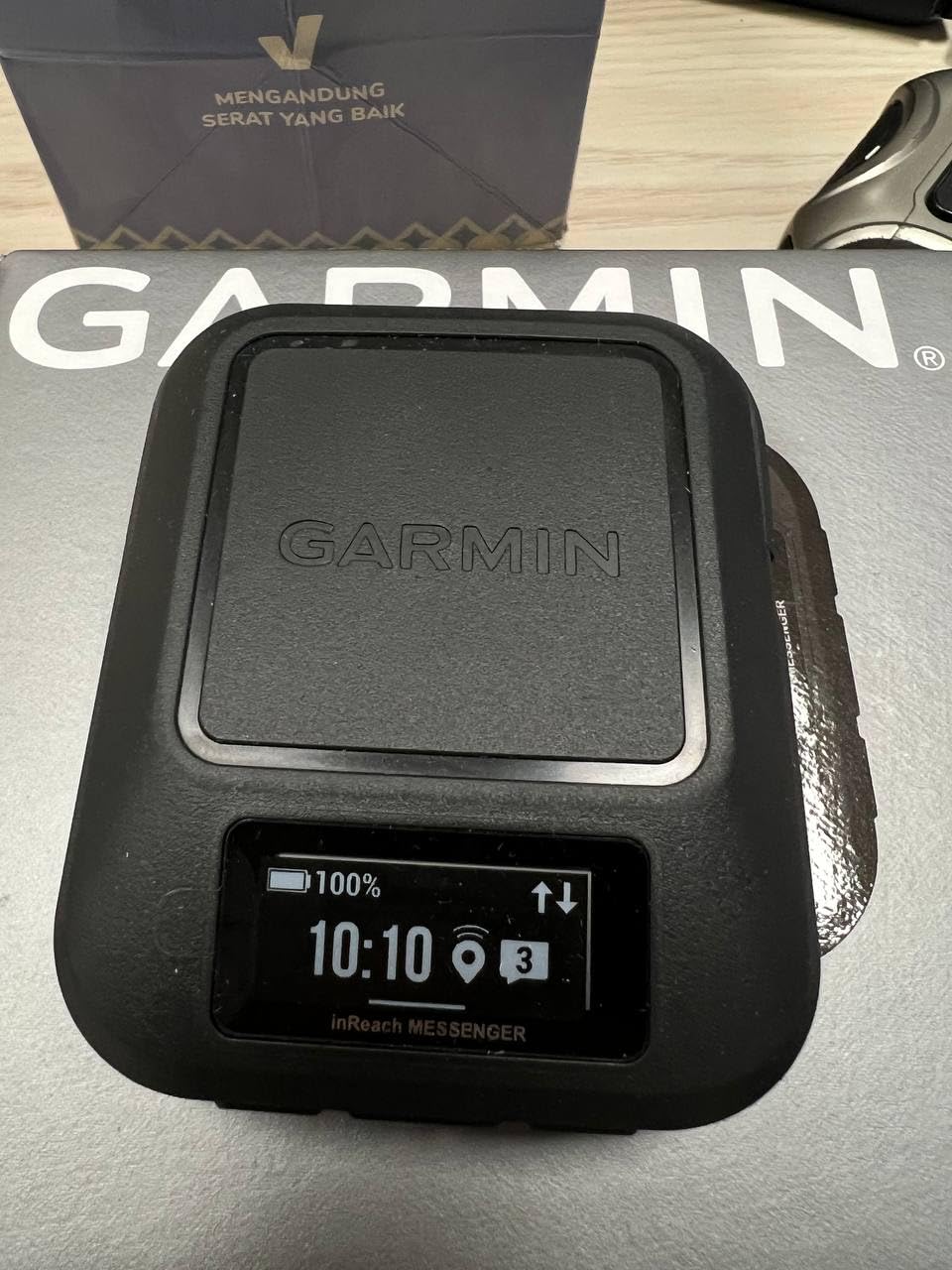
At 4 ounces the body is one of the lightest full communicators available, and the stated battery life of up to 28 days in 10-minute tracking mode is the most generous continuous-tracking claim in the group. Messages are automatically optimised across cellular and satellite options, so sending from a trailhead with bars does not burn a single credit. It also provides safety charging, which can top up a dead phone when your own battery is holding on.
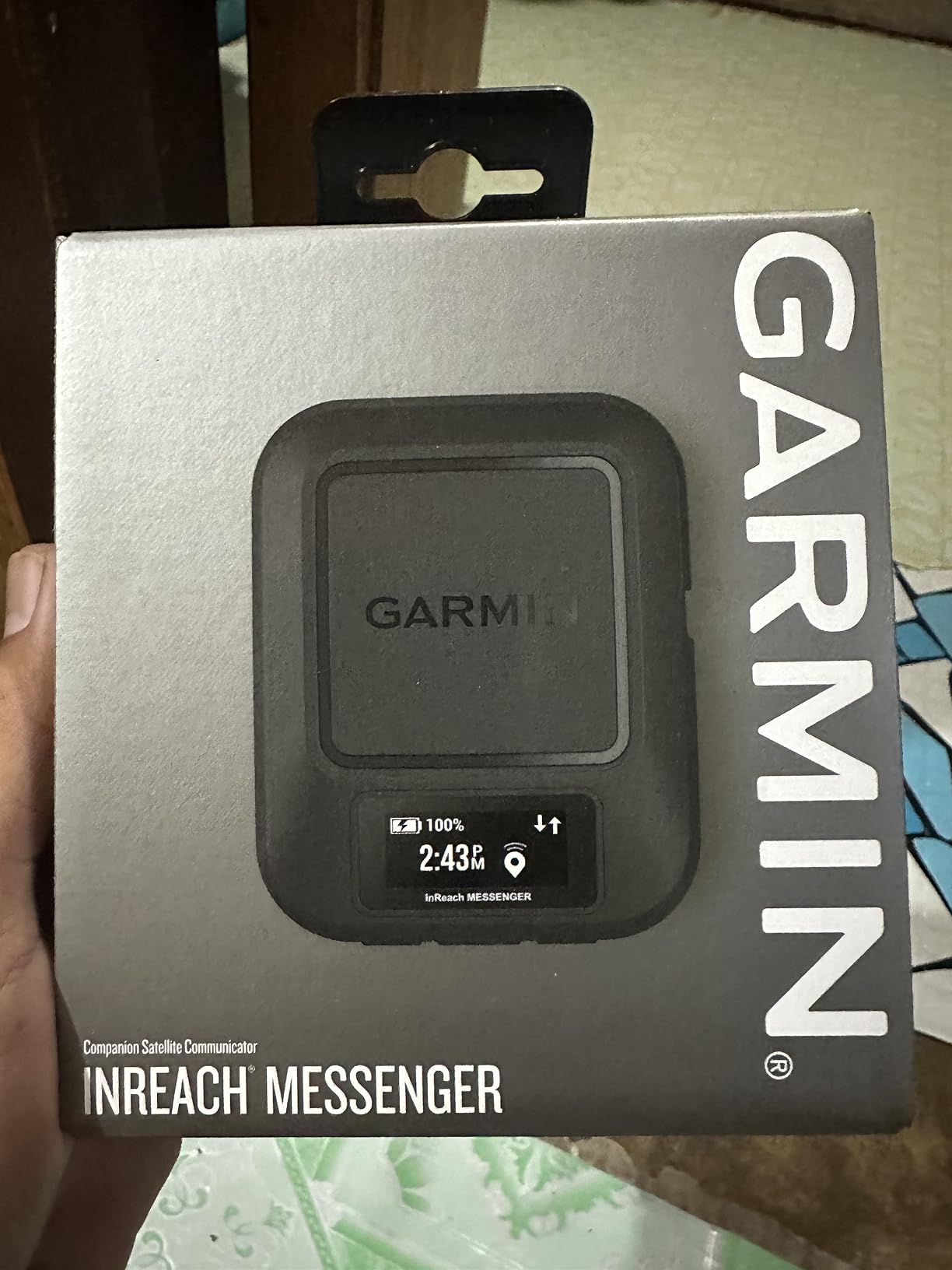
The navigation support is limited to multi-band GNSS support across BeiDou, GPS, Galileo, and QZSS for accurate position fixes, with no mapping. Pairing extends to select smart devices, Garmin handhelds, wearables, and marine equipment, so it slots cleanly into a Garmin-heavy kit list. The display is a sunlight-readable monochrome transflective panel at 160 by 68 resolution, which is a message window rather than anything else.
Interactive SOS routes to Garmin’s IERCC 24/7 monitoring and coordination center, the same infrastructure behind the rest of the inReach line. The one-year limited warranty and a mature firmware history mean this is an established platform rather than a first-generation device, and support has improved accordingly.
Why groups should shortlist this one
Multi-party texting is the feature. A party of four can each send one check-in that reaches the whole group chat instead of four separate threads, and nobody has to burn credits writing a fresh message each morning. Hikers on r/hiking note that the inReach Messenger is the cheaper option in the Garmin line and covers essentially the same functionality for anyone not needing physical buttons.
It is also one of the few units here that can rescue your phone. The safety charging output turns a communicator into a survival power bank, which matters on a multi-day trip where a dead phone means no navigation and no map.
Where the Messenger is the wrong tool
Both two-way messaging and SOS require an active paid satellite subscription, with no meaningful function without one. The small monochrome display rules out standalone navigation entirely, and anything beyond a basic check-in depends on the Garmin Messenger app rather than the device itself.
If you are hiking solo with one emergency contact, the group messaging that makes this device special does nothing for you, and you are paying for a feature you will never press. In that case the Mini 2 or the ZOLEO is the more honest purchase.
5. ACR Bivy Stick – Best for Families and Groups of 12
ACR Bivy Stick – Iridium Satellite Communicator, GPS Tracker & SOS
Iridium network
3.35 oz
120-hour battery
GroupTrack for 12 people
IPX7 and MIL-STD-810
Pros
- GroupTrack shares location with up to 12 people
- Unused message credits roll over to the next month
- Iridium network with dedicated SMS number and email
- Offline map downloads and breadcrumb trails
- SOS works from the device without a phone
Cons
- No on-device display
- so a dead phone hides incoming messages
- Needs real study and practice before a trip
- Some reports of units failing to power on after long storage
The Bivy Stick is the Iridium-network alternative that skips the Garmin tax, and its defining feature is scale. GroupTrack allows messaging and location sharing with up to 12 people at once, viewable in the app or in a browser, which makes it the pick for a family, a scout group, or a club trip where everyone needs to see where everyone else is. A commenter in a hikers Facebook group put the case plainly: the Bivy Stick is the better choice if you only use it a few times a year.
That infrequent-use framing matters because this device has no recurring cost while it sits in a drawer beyond a three-month commitment, and its 120-hour battery plus IPX7 and MIL-STD-810 compliant housing handle the abuse of being forgotten until the next season. It weighs 3.35 ounces and measures 4.47 by 1.85 by 0.83 inches, so it disappears on a pack strap or a motorcycle frame.
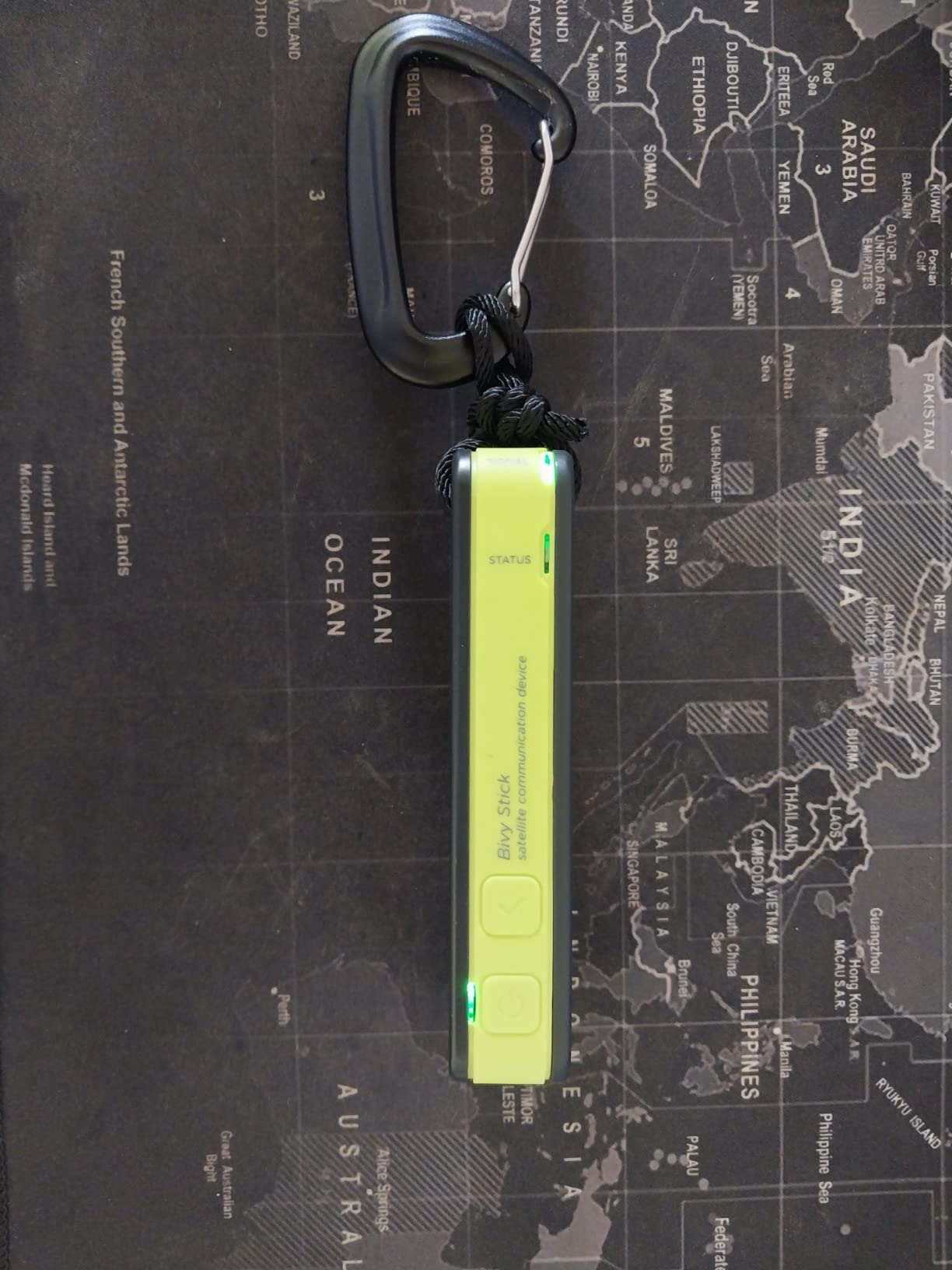
The subscription model is the part enthusiasts actually defend. Unused message credits roll over rather than expiring, which is the fairest structure in this category for a hiker who sends four check-ins in July and none for eleven months. You get a dedicated SMS number and email address assigned on activation, unlimited customizable check-in messages, live location tracking with a breadcrumb trail, and built-in GPS with offline map downloads and 50,000-plus curated adventures.
SOS is monitored by Global Rescue 24/7 and can be triggered from the device button or the Bivy app, which is the critical feature when your phone is dead. One owner reports using it successfully during a real alpine rescue in the Pyrenees, and ACR customer service has been praised enough that at least one faulty unit was replaced free of charge.
What makes the Bivy Stick different in the field
It is the only messenger in this roundup with genuine offline mapping, and that gap-filling map download changes the phone-died scenario. If your handset quits, you still get a map, breadcrumb trail, pace, mileage, and altitude data alongside a working SOS button. That combination is closer to a full safety net than anything else at this size.
It is also the least Garmin-shaped option available, which some hikers prefer. Hikers on r/hiking say plainly that they have no loyalty to any brand, and the Bivy Stick delivers Iridium coverage with rollover credits without pulling you into a Garmin account or watch ecosystem.
Where the Bivy Stick earns its criticism
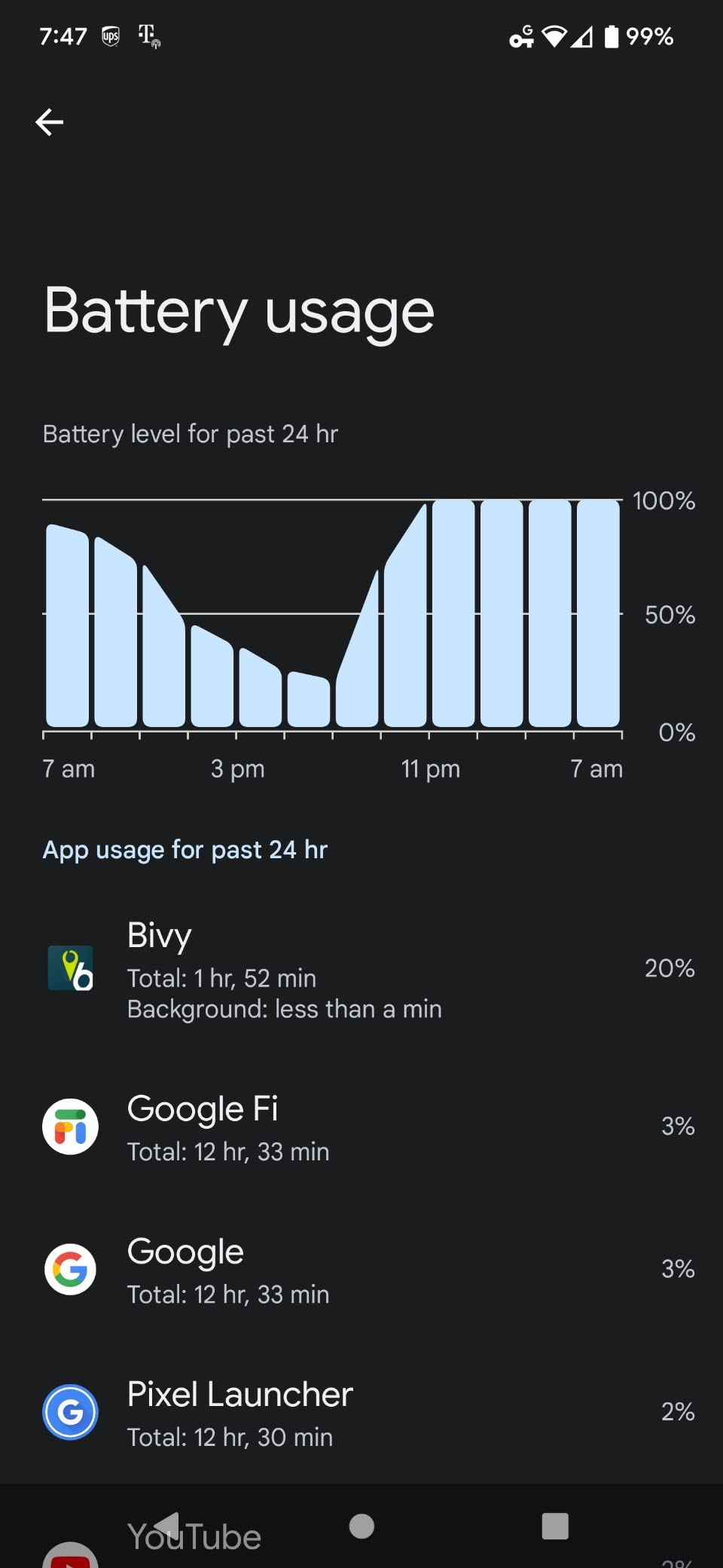
It demands practice. Reviewers repeat that you have to learn the device before a trip rather than on the trail, and the app does a poor job of managing messages and acquiring GPS while also draining your paired phone’s battery. Bluetooth pairing is reported as unstable on some Android devices, with app crashes occurring mid-trip.
Device-initiated route tracking often fails to start even when the unit claims it is tracking, which is a genuine safety concern on a navigation-led trip. There is no on-device display at all, so incoming messages are invisible if your phone dies, and several owners report units failing to power on or accept a charge after months or years of storage. Anyone considering this for a once-a-year trip should test the charge cycle before they need it.
6. SPOT X – Best Standalone Two-Way Messenger
Spot X with Bluetooth 2-Way Satellite Messenger
Globalstar network
Dedicated US mobile number
Bluetooth plus standalone use
240-hour battery
7.04 oz
Pros
- Works standalone with its own dedicated US mobile number
- Two-way follow-up messaging during an SOS event
- Kickstand included for typing on flat ground
- 240 hours of stated battery life
- Messages go to any cell number or email
Cons
- Noticeably slower transmission than Iridium units
- Dated interface and menu structure
- Globalstar coverage is patchy at high latitude
- Scuffs easily
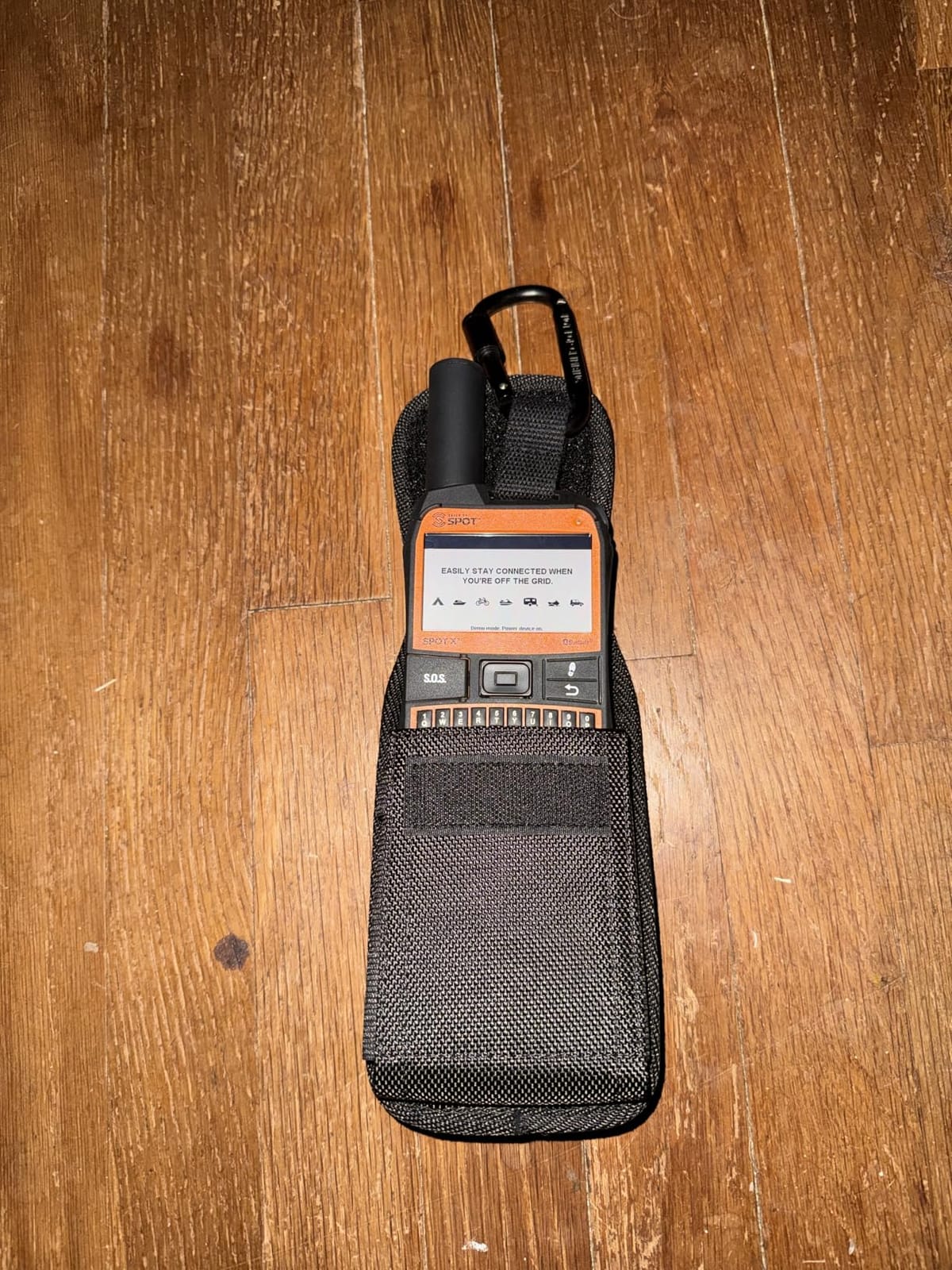
The SPOT X answers the question every phone-paired device raises: what happens when your handset dies? It has Bluetooth for the app, but it also works standalone on its own dedicated US mobile number, so you can receive messages and send a canned response with nothing else in your pocket. Reviewers rate it as a solid phone-free-capable two-way messenger, and the physical SOS gives confirmation that help is on the way plus two-way conversation about the emergency.
Battery is a genuine strength at 240 hours of stated life, and the 7.04-ounce body plus included kickstand make it a device you can actually type on. A small detail that matters more than it sounds: a mirrored SOS sticker is in the box, so someone who finds you knows what to do with it.
Now the honest part. The SPOT X runs on the Globalstar network, not Iridium, and that difference is not cosmetic. Users on canadiangunnutz.com have been blunt about it, complaining that SPOT uses another satellite system and that the experience suffers, and the review data agrees: message transmission is noticeably slower than on Iridium units, with the interface and menu structure described as dated. Hikers in r/canoecamping also point out that a SPOT is not a PLB, it is a satellite communicator in the same family as ZOLEO and inReach units, which matters for anyone choosing a rescue device on reputation alone.
Coverage is the deciding factor. Globalstar is solid across North America and Europe but has gaps at high latitude and in the Southern Hemisphere. For a thru-hike in the lower 48 that is a non-issue; for a Denali approach, a Patagonia traverse, or a New Zealand trip, it is a deal breaker on a safety device.
Who should buy the SPOT X
Solo hikers who want a messenger that still works without a phone, and who are not heading into polar or far-Southern latitudes. Anyone who needs a dedicated number their family can text directly, rather than routing everything through an app conversation, will find that feature worth more than most of the fancier specs on this list.
It is also a reasonable backup unit to leave in a vehicle or a boat where a rugged, phone-free device earns its keep. The SOS confirmation handshake is the part that matters in an emergency, because it tells you the alert was received rather than leaving you guessing.
Where the SPOT X disappoints
Speed is the first thing you notice. Messages take noticeably longer to send than on Iridium units, and in a slow emergency the difference matters. The interface needs practice, subscription setup and account activation are fiddly, and the rubberised case and screen scratch visibly with use.
The 3.9-star rating across 740 reviews reflects that pattern: nobody says the device fails, plenty of people say it feels like a previous generation product. If your trip touches high latitude or the Southern Hemisphere, choose an Iridium unit instead.
7. SPOT Gen 4 – Best Simple One-Way Tracker
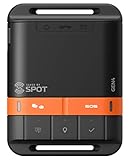
Spot Gen 4 Satellite GPS Messenger
Globalstar network
142 g
Motion-activated tracking
One-way only
SOS button
Pros
- Purpose-built tracking beacon with no phone needed
- Motion-activated updates work while moving and at rest
- SOS sends GPS coordinates straight to responders
- Light enough to clip to a strap or carabiner
- Multiple tracking intervals let you set the duty cycle
Cons
- One-way only
- no two-way messaging on the device
- Companion app and active subscription required for tracking
- Account must be activated before the device is useful
The SPOT Gen 4 is the simplest safety device in this roundup and the easiest to justify. It does not try to be a communicator. It transmits location updates, either on a schedule or automatically when it detects motion, and it has an SOS button that sends your GPS position directly to emergency responders. Everything works without a cell phone or cell service, which is the entire design brief.
At 142 g with a plastic enclosure, it is a device you can hand to a child for the walk home or clip to a dog collar without thinking about it. Motion-activated tracking is the underrated feature, because it means the unit reports both while you are moving and while you are stopped, so a rest stop in a drainage does not look like a disappearance.
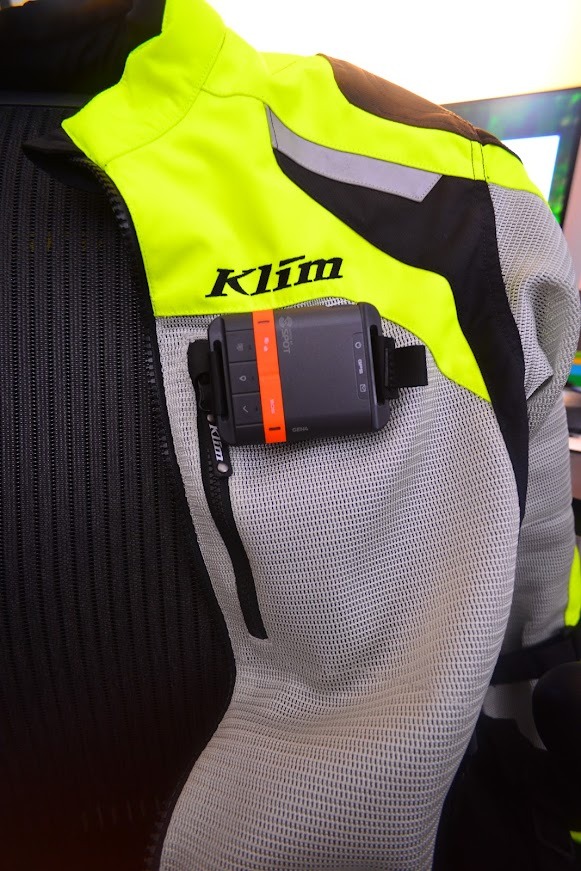
The honest limitation is that it is one-way. There is no way to send a custom message off the device, no two-way conversation, and no way to receive a reply. You get pings and a distress button. For a hiker whose family just wants to know they arrived, that is genuinely sufficient, and reviewers treat it as a durable no-frills tracker rather than a communication tool.
Setup is straightforward once you accept the dependency: the companion app and an activated subscription are required before tracking and check-in features do anything, and two service plan tiers are available. The box includes the device, a strap and carabiner, a USB cable, batteries, and a quick start guide, so nothing else needs buying.
When one-way is exactly what you want
Family trips where someone at home is tracking a route and nobody needs to negotiate a message. It also works as a companion beacon for a child, a novice hiker, or a snowmobile on a long access road, where the value is location rather than conversation. A 4.2-star rating across 405 reviews reflects a device that does a narrow job reliably.
If you want to know the forecast before committing to a pass, or coordinate a pickup with your partner, you need two-way. This device cannot do that, and pretending otherwise is how people end up in trouble.
Where the Gen 4 is the wrong call
Any trip where you need to send a message, request help without triggering SOS, or adjust plans with the people counting on you. Sending a custom message requires a phone and the app, which defeats the point of a phone-free tracker in the first place.
It also runs on Globalstar, so the same high-latitude and Southern Hemisphere coverage caution applies. And the plastic enclosure with a limited warranty is the least rugged build in this roundup, which matters if your device lives on a pack strap through talus and scree.
8. Motorola Defy Satellite Link – Budget Pick with Real Limits
Motorola Defy Satellite Link – Rugged Handheld GPS Communicator, Two-Way Global SMS Text Messenger, Emergency SOS Alerting – Android iOS Compatible, Black
Two-way satellite SMS
2.5 oz
IP68 to nearly 5 ft
600 mAh battery
13-second message send
Pros
- Lowest hardware cost in the category
- Messages send in roughly 13 to 14 seconds
- IP68 dustproof and waterproof
- Lightest unit here at 2.5 ounces
- Unlimited SOS included on every plan
Cons
- Terrain-dependent reliability with reported lock failures in canyons
- Messages capped near 35 characters
- Plans metered by data rather than message count
- No navigation and no real onboard screen
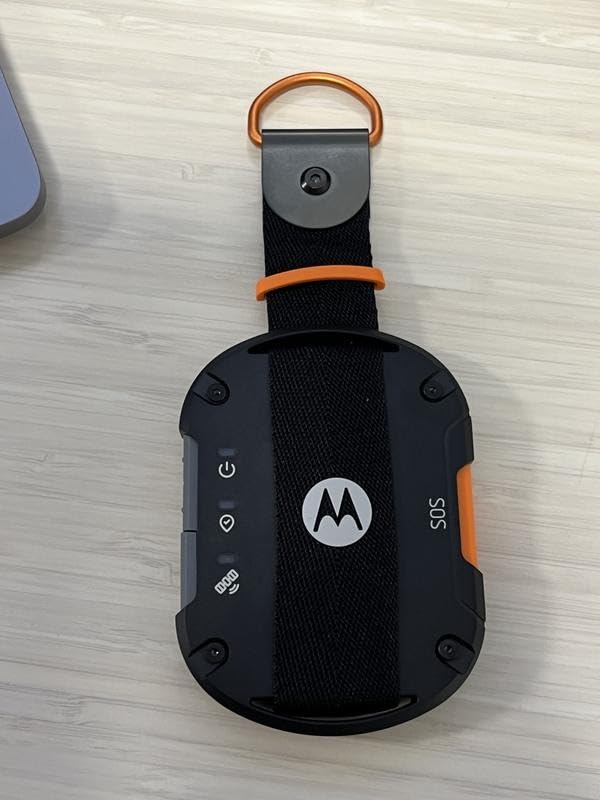
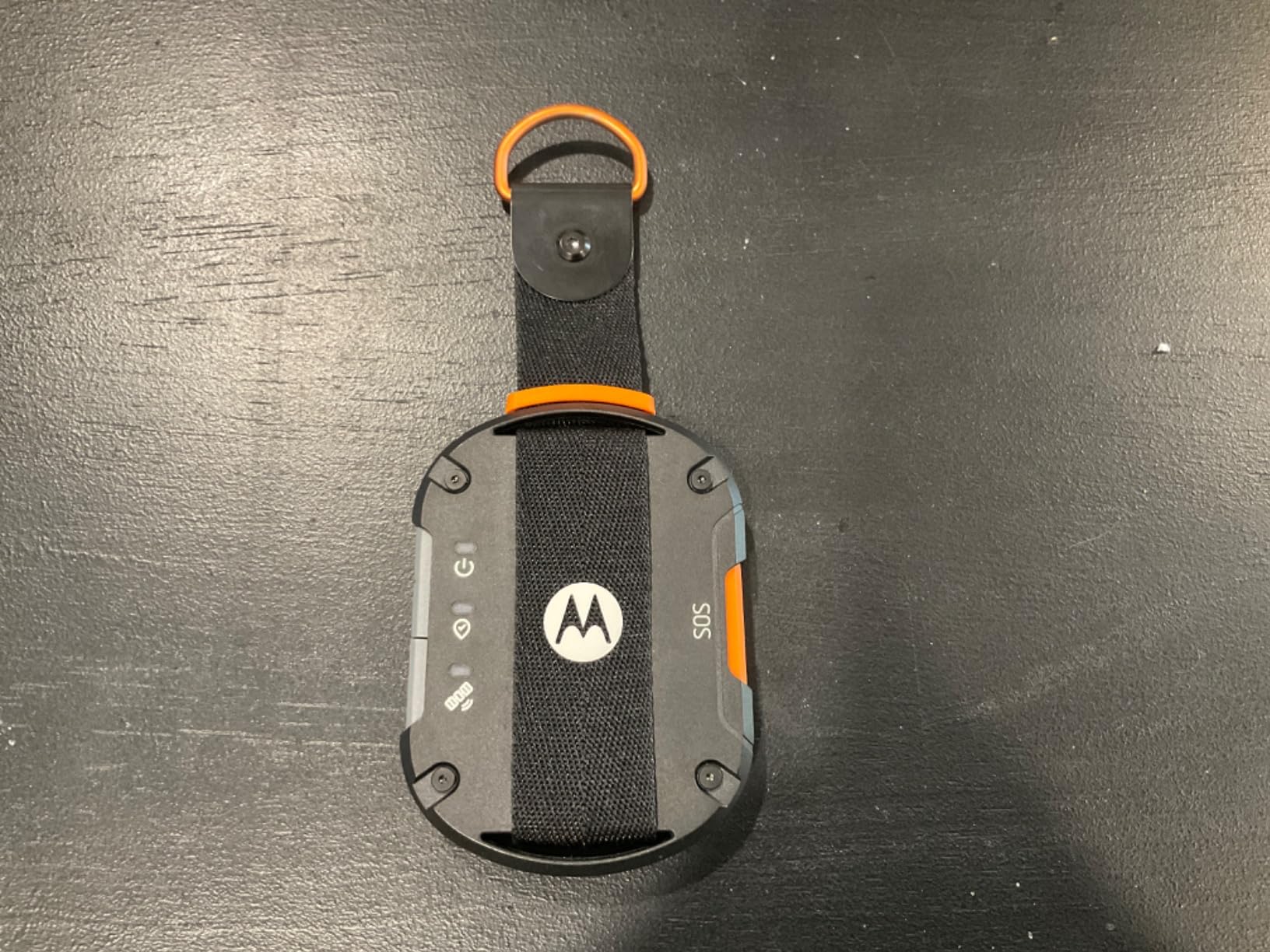
The Motorola Defy Satellite Link is the cheapest serious way to get two-way satellite SMS onto a phone, and it is fast. Owners doing side-by-side comparisons report messages sending in roughly 13 to 14 seconds, far quicker than the SPOT X. At 2.5 ounces it is the lightest device in this roundup, sealed to IP68 for dust and waterproof to nearly 5 feet for 30 minutes, and the 600 mAh battery delivers up to 4 days of standby power.
SOS is included with unlimited use on every service plan, and there is a one-button check-in that sends your coordinates or a short message to a contact. It works up to 75 miles off-shore within coverage areas, and the D-ring webbing strap and USB Type-C cable are both in the box with a 12-month warranty. For open terrain, canoe trips, and desert routes, many owners report flawless off-grid messaging.
Now the field reports that keep the rating at 3.7 stars. The same product that works flawlessly on an open lake shore draws one-star accounts of failing to acquire or hold a satellite lock in canyons, forested trails, and high mountains. If your backcountry hiking involves slot canyons or dense canopy, this is precisely the terrain where you cannot afford an unreliable radio. A 3.7 rating across 368 reviews reflects owners split straight down the middle on reliability.
Messages are capped at roughly 35 characters, and longer messages burn through the monthly data allowance faster, so your conversations are limited to bursts. Plans are metered by data used rather than message count, which is genuinely confusing when you are trying to work out whether you have airtime left.
Where the Defy Satellite Link makes sense
Open country. Prairies, desert routes, open water, and wide ridgelines with clear sky, where the hardware cost is the number one barrier and a 3.7-star average still leaves you with a working SOS and fast two-way text. The one-button check-in and included unlimited SOS are the features that make it a genuine safety device rather than a gadget.
It is also a sensible phone-case companion, though owners report unreliable iPhone Bluetooth pairing and an unintuitive Bullitt app interface, so test the pairing before you leave the trailhead. App-dependent design with no real onboard screen means a dead phone ends your communication entirely.
Where it is genuinely not safe to rely on
Canyons, dense forest, and high mountains, full stop. This is a device whose reliability changes with terrain, and terrain is exactly what you cannot control in an emergency. There is also no navigation capability whatsoever and no usable screen, so pairing it with one of our recommended hiking poles for navigation support is a fair trade.
Activation through the Bullitt app has mixed reports, and message contact selection is confusing enough to cause sent-to-wrong-person mistakes if you set it up quickly. If your safety depends on the message arriving, the Iridium units are the better bet.
How to Choose a Satellite Messenger for Backpacking
Do You Need Two-Way Messaging or Just a Distress Beacon?
Start by answering one question honestly: do you need to talk to people on an ordinary day, or only in a genuine emergency? If the answer is the second one, a personal locator beacon is the correct device and the maths is overwhelming. A PLB sends a 406 MHz distress alert to the COSPAS-SARSAT network, monitored by authorities worldwide, with no subscription, no airtime, and a battery rated in years rather than days. It cannot message, cannot track, and cannot tell you the weather.
If the answer is the first one, you need a messenger, because a PLB will not tell your family you are fine, will not let you request a forecast for tomorrow’s pass, and will not confirm that your party split safely. The practical case for carrying both is that they fail differently: a PLB needs no battery management and no plan, a messenger needs both. Experienced hikers tend to describe it as a PLB for true emergencies with no messages and no emails, plus a messenger for the daily conversation.
Which Satellite Network Should You Pick?
There is a widespread myth that ZOLEO runs on Globalstar and SPOT runs on Iridium. It is exactly backwards. ZOLEO, every Garmin inReach unit, the GPSMAP 66i, and the ACR Bivy Stick all run on Iridium, the polar-capable constellation used by maritime and aviation safety systems. The SPOT X and SPOT Gen 4 run on Globalstar, which performs well across North America and Europe but thins out at high latitude and across the Southern Hemisphere.
The practical rule: if your trip stays below roughly 60 degrees north, Globalstar is probably fine. If you are heading into Alaska, the Canadian Arctic, Greenland, Patagonia, New Zealand, or anywhere polar, Iridium is the only answer. PLBs sit on a third network entirely, the government-run COSPAS-SARSAT system, which is the oldest and most widely monitored distress infrastructure in the world.
What Still Works When Your Phone Dies?
This is the failure mode that forum threads raise constantly and that almost no roundup covers. The honest breakdown: the SPOT X is the only two-way unit here that receives and answers messages on its own dedicated number with no phone involved. The ACR Bivy Stick and the ZOLEO can both trigger SOS and send canned check-ins from the device, but incoming messages are invisible without a screen. Garmin’s inReach units fire SOS and preset check-ins from hardware buttons, but any real conversation needs the app.
Hikers raised this concern on thehulltruth.com when reviewing screenless devices, noting that you are relying entirely on your cellphone working at the moment you most need a backup. That complaint is fair, and it is the single strongest argument for carrying a PLB alongside a messenger. The Bivy Stick at least adds offline map downloads, so you retain navigation as well as SOS when the phone quits.
How Much Does Battery Life Change With Tracking Interval?
Published battery figures are almost meaningless without the tracking interval attached, because a 10-minute ping in a weak signal area can take ten times the energy of a 30-minute ping in clear sky. Every device here behaves the same way: continuous tracking drains the battery fastest, and most experienced hikers simply power the unit down between check-ins. A user on vftt.org described the habit that makes any of these devices last a season: keep it off, turn it on a couple of times a day, send your check-in, and turn it off again.
Stated figures for orientation only: the Garmin GPSMAP 66i claims 35 hours in 10-minute tracking and 200 hours in Expedition mode, the inReach Mini 2 claims 336 hours average and up to 14 days in 10-minute tracking, the inReach Messenger claims 28 days in 10-minute tracking, the SPOT X claims 240 hours, the ZOLEO claims 200 hours, and the ACR Bivy Stick claims 120 hours. Owners frequently report falling short of the aggressive claims in cold weather, where battery chemistry degrades, so carry a power bank if your trip includes winter or shoulder-season conditions.
What Does a Subscription Really Cost Over Three Years?
Every messenger except a PLB requires an active plan, and the structure matters more than the headline figure. Garmin and ZOLEO both sell entry tiers that cover SOS plus a limited number of preset messages, and full two-way tiers that support unlimited custom messaging. Expect activation fees on Garmin hardware, a three-month initial commitment on the ACR Bivy Stick, and a suspend option from ZOLEO that lets you pause billing between trips.
Here is how to think about it. A PLB is a one-time purchase with no recurring cost, so for someone who hikes twice a year the beacon maths wins outright. A messenger is a three-year commitment by the time you count activation and plan fees, and the sensible way to judge it is per trip: divide the total by the number of days you will actually be away from coverage. If that number feels uncomfortable, the ACR Bivy Stick’s rollover credits and the ZOLEO’s suspend option both reduce the sting compared with a rigid annual plan.
Where Are Satellite Devices Restricted?
Some countries restrict or ban satellite messengers and satellite phones, and Garmin inReach units are among the most commonly restricted because they transmit on Iridium frequencies. The reasons are usually radio regulation and national security licensing rather than anything to do with hikers, but the practical effect is that your SOS device can be seized at a border and your plan may not work once you land.
Before international travel, check the specific rules for your destination countries rather than assuming, and consider whether a smartphone-native satellite feature with region-locked emergency calling is a safer backstop. Many national parks and wilderness areas impose no restrictions on these devices, so a domestic trip is not the concern it appears to be.
Once the device is chosen, your kit around it matters too. Our guides to the best hiking backpacks and best hiking boots cover the rest of the load-out, and for a full comparison of pack volumes the backpack picks for hiking guide goes deeper on fit and load carriage.
Frequently Asked Questions
What is the best satellite communication device for backcountry use?
For most backcountry hikers the Garmin inReach Mini 2 is the strongest all-round choice, pairing the 99 g body and 14-day tracking claim with interactive SOS through Garmin’s 24/7 response center. The ZOLEO Satellite Communicator is the better value pick because it runs on the same Iridium network, is fully sealed to IP68, and adds a dedicated SMS number and unlimited check-ins at a lower hardware cost.
What is the best satellite communicator for backpacking?
Weight and network matter most for backpacking. The inReach Mini 2 at 99 g is the lightest serious communicator, while the ZOLEO adds waterproofing and longer stated battery life for a little more weight. Whichever you choose, confirm it runs on the Iridium network, since every dedicated unit worth carrying outside North America and Europe depends on that constellation for coverage.
What is the best satellite SOS device for hiking?
For SOS specifically, a dedicated personal locator beacon such as an ACR ResQLink remains the most reliable option because it transmits on the government-run COSPAS-SARSAT 406 MHz network with no subscription and a multi-year battery. If you want messaging and interactive SOS in one device, the inReach Mini 2 routes alerts to Garmin’s staffed 24/7 response center, and the ZOLEO does the same through its own monitoring service.
What is the best satellite phone for hikers?
A satellite phone and a satellite messenger are different categories. A satellite phone provides voice calls and broader data over networks such as Iridium or Inmarsat, but it is heavier, pricier, and eats battery far faster. A satellite messenger sends short two-way texts and an SOS button only, which is what most hikers actually need. The one exception is the Garmin GPSMAP 66i, which combines a full handheld GPS navigator with inReach two-way messaging.
Why is Garmin inReach banned in some countries?
Restrictions on Garmin inReach and other satellite devices come from national radio regulation and frequency licensing rather than any hiking-specific rule. Several countries either prohibit or tightly license satellite transmission equipment, particularly over Iridium frequencies, which can lead to devices being seized at the border. Check the specific rules for every destination country before travelling internationally, and treat a smartphone-native satellite emergency feature as a backstop.
Can I use inReach Mini without a subscription?
No. The inReach Mini 2 requires an active satellite service plan for both interactive SOS and two-way messaging, and Garmin applies activation fees that add to the entry cost. The device does nothing useful in the field while the plan is suspended. If you want a safety device with no recurring cost, a COSPAS-SARSAT personal locator beacon is the only category that works without a subscription.
Which is better, ZOLEO or Garmin Mini?
It depends on the trip. The inReach Mini 2 is lighter at 99 g, includes TracBack navigation, and has physical buttons that work with gloves. The ZOLEO runs on the same Iridium network but is fully IP68 sealed, has a dedicated SMS number, offers unlimited check-ins, and costs less to buy. For winter and wet trips take the ZOLEO; for weight-critical thru-hiking take the Mini 2.
Do I need a satellite messenger if I already have a PLB?
A PLB only transmits a distress alert, so it cannot send daily check-ins, request weather, or confirm you are fine. Most experienced hikers carry both, using the PLB as a failsafe with a multi-year battery and no subscription, and a messenger for communication. If you only want one device and you hike rarely, the PLB is the cheaper and more dependable choice. If you hike often, a messenger earns its place.
Final Verdict for Backcountry Hikers in 2026
For most hikers, the ZOLEO Satellite Communicator is the right answer to the question of the best satellite messengers for backcountry hiking. It runs on the Iridium network, survives rain and creek crossings, carries a dedicated number, and gives your family unlimited check-ins and a breadcrumb trail for the least money of any serious unit here.
Buy the Garmin inReach Mini 2 if every gram counts or you want TracBack navigation and glove-friendly buttons. Add the Garmin GPSMAP 66i when navigation is your primary concern. Buy the ACR Bivy Stick for a group of up to twelve, the inReach Messenger for party check-ins, the SPOT X for phone-free standalone messaging, the SPOT Gen 4 for one-way tracking, and the Motorola Defy Satellite Link if open terrain and a tight budget are the only realities. Whichever you pick, test it before the trailhead, because a device you have never sent a message from is not a plan.