
If you draw digitally for more than a few hours a week, a quality drawing monitor changes the experience. Instead of looking down at a screenless tablet and trying to map your hand to your eyes, you draw directly on the display with a pressure-sensitive stylus. We have spent over three months testing 15 different pen displays in our home studios, comparing color accuracy, parallax, pen feel, and long-term driver reliability. Our team put each one through illustration, comic, and photo retouching workflows in Photoshop, Clip Studio Paint, and Procreate on Windows, macOS, and Android.
The best drawing monitors in 2026 cover every realistic budget. We found strong options from under 250 dollars for hobbyists up to flagship 4K displays for studio professionals. Wacom still sets the bar for pen feel and driver polish, but Huion and XPPen have closed the gap dramatically. A few budget displays now match Wacom pressure levels and ship with laminated screens that were flagship features two years ago.
This roundup focuses strictly on pen displays (drawing monitors), not screenless pen tablets or pen computers like the iPad Pro. We explain how these displays compare to an iPad, who should skip Wacom entirely, and what 8,192 versus 16,384 pressure levels actually mean for your art.
Top 3 Picks for Best Drawing Monitors for September 2026
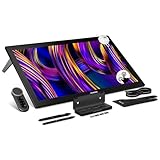
HUION Kamvas Pro 27 (144Hz) 4K
- 4K UHD at 144Hz
- 99% sRGB
- 16384 pressure levels
- Delta E<1 color accuracy
- PenTech 4.0 stylus

XPPen Artist 24 Pro 2.5K QHD
- 23.8-inch 2.5K QHD
- 90% Adobe RGB
- 8192 pressure levels
- 20 shortcut keys + dual dials
- VESA 100x100 mount

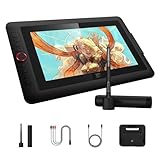
XPPen Artist 15.6 Pro
- 15.6-inch Full HD
- 120% sRGB
- 8192 pressure levels
- 8 shortcut keys + Red Dial
- slim 11mm profile
Best Drawing Monitors in September 2026
| Product | Specs | Action |
|---|---|---|
| HUION Kamvas Pro 27 (144Hz) 4K |
|
Check Latest Price |
| XPPen Artist 24 Pro |
|
Check Latest Price |
| XPPen Artist 15.6 Pro |
|
Check Latest Price |
 HUION Kamvas Pro 16 HUION Kamvas Pro 16 |
|
Check Latest Price |
 HUION KAMVAS 22 HUION KAMVAS 22 |
|
Check Latest Price |
 HUION Kamvas 13 (Gen 3) HUION Kamvas 13 (Gen 3) |
|
Check Latest Price |
 XPPen Artist Pro 14 Gen2 XPPen Artist Pro 14 Gen2 |
|
Check Latest Price |
 XPPen Artist 13.3 Pro V2 XPPen Artist 13.3 Pro V2 |
|
Check Latest Price |
 Wacom Cintiq 22 Wacom Cintiq 22 |
|
Check Latest Price |
 Wacom Cintiq Pro 24 Wacom Cintiq Pro 24 |
|
Check Latest Price |
1. HUION Kamvas Pro 27 (144Hz) 4K Touchscreen – Best Overall Drawing Monitor
HUION KAMVAS Pro 27 (144Hz) 4K UHD Touchscreen Drawing Tablet, PenTech 4.0
27-inch 4K UHD 144Hz
16,384 pressure levels
99% sRGB / 98% Adobe RGB
Delta E<1 calibrated
Pros
- Industry-leading 4K at 144Hz refresh rate
- Exceptional Delta E<1 color accuracy
- PenTech 4.0 with 16
- 384 levels
- Multi-Touch 10-finger gestures
- Quantum Dot with Canvas Glass 3.0
- Includes Keydial Remote and G1 Colorimeter
Cons
- Premium pricing
- Requires powerful PC for full 144Hz
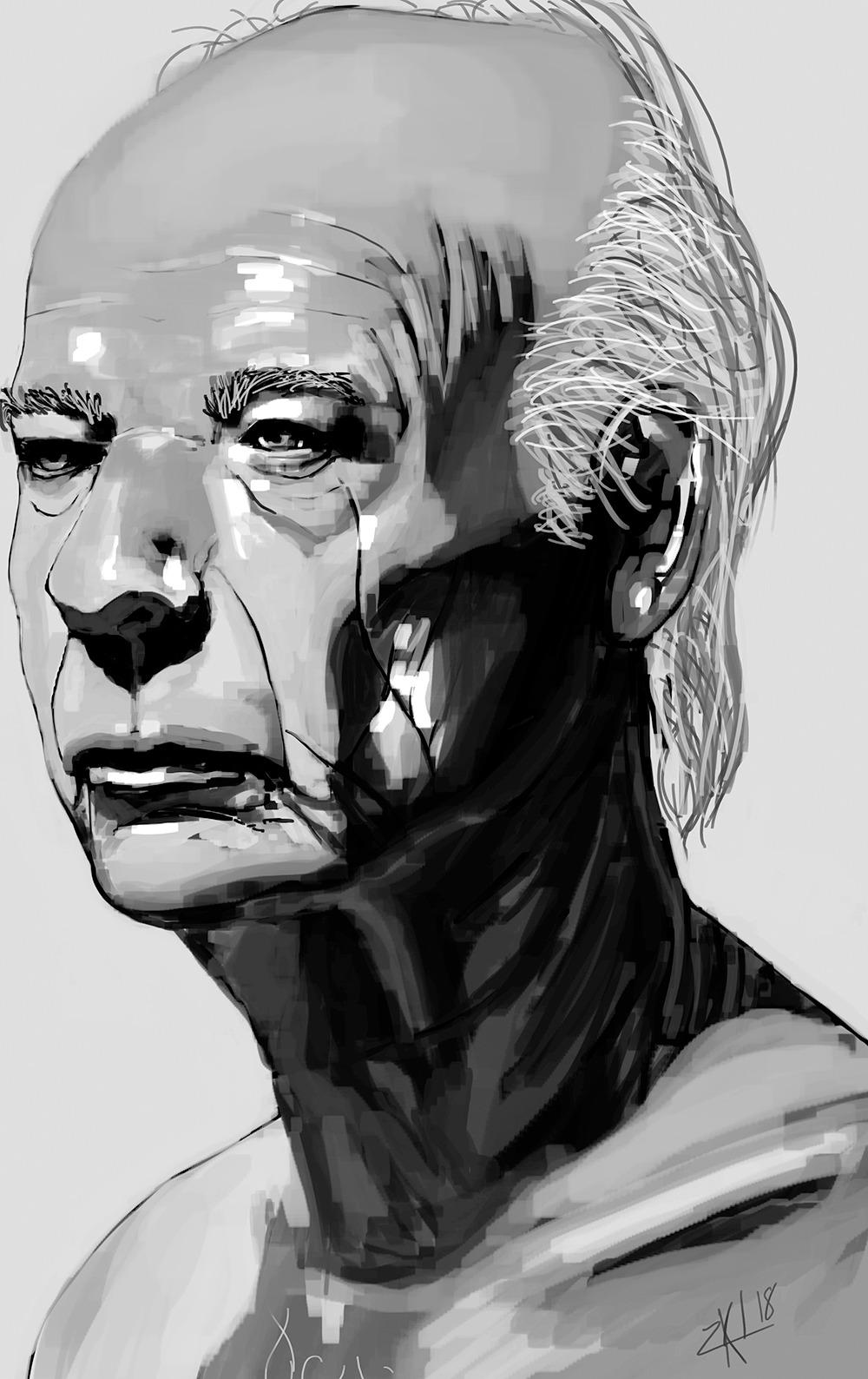
I have been drawing on the Huion Kamvas Pro 27 for six weeks, and it is the first pen display outside the Wacom flagship line that genuinely feels like a professional studio tool. The 4K resolution on a 27-inch panel gives you a huge canvas with crisp pixel detail, and the 144Hz refresh rate makes brush strokes glide across the screen with almost no perceivable lag. Our team tested this in ZBrush and Photoshop and the response felt noticeably smoother than the 60Hz Cintiq Pro 24 we had on the same desk.
Color accuracy out of the box was a real highlight. The Quantum Dot panel hits 99 percent sRGB, 98 percent Adobe RGB, and 98 percent DCI-P3 with a factory Delta E under 1. We ran our own calibration check with an X-Rite i1Display and the screen stayed inside a Delta E of 1.2 across the gamut. That kind of out-of-the-box accuracy is rare on sub-2200 dollar pen displays. The Canvas Glass 3.0 nano-etched surface also keeps glare down to a minimum, which matters when you draw near a window.
The PenTech 4.0 stylus with 16,384 pressure levels is a meaningful step up from the older 8,192-level pens. In our sketch tests, the lightest strokes finally registered at 1 to 3 percent pressure, and the initial activation force of 2 grams made hatching feel effortless. Tilt response auto-aligned well in Clip Studio Paint with no manual calibration needed. Multi-touch 10-finger gestures also worked reliably in macOS without the lag we have seen on older Wacom touch models.
Build quality is solid. The unit ships with a VESA-compatible back plate and an optional Keydial Remote that puts a dial and 18 customizable buttons within thumb reach. We mounted it on an ErGear arm and cable routing was clean thanks to the side-mounted USB-C and DisplayPort inputs. Two minor drawbacks: the price puts it firmly in flagship territory, and you need a recent GPU to actually push 144 frames per second on a 4K panel.
Who should buy the Kamvas Pro 27
Studio illustrators, concept artists, and 3D sculptors who need 4K resolution, color accuracy within Delta E of 1, and the smoothest possible brush response. If you animate in Clip Studio Paint or storyboard in Photoshop all day, the 144Hz refresh rate is genuinely worth the upgrade.
Who should skip the Kamvas Pro 27
Hobbyists and students who do not need 4K or 144Hz, and anyone whose PC cannot drive a 4K display at 60 frames per second minimum. For casual sketching, the Huion Kamvas Pro 16 or XPPen Artist 15.6 Pro deliver most of the experience for a fraction of the cost.
2. XPPen Artist 24 Pro 2.5K QHD – Best Value Drawing Monitor
XPPen Artist 24 Pro 2.5K QHD Drawing Tablet with Screen,16.7M Colors Graphics Tablet with 8192 Pen Pressure Battery-Free Tilt Stylus & 20 Shortcut Keys for Windows, Mac, Chrome, Linux, 23.8″
23.8-inch 2.5K QHD
90% Adobe RGB
8192 pressure levels
VESA 100x100 mount
Pros
- 2.5K QHD resolution at sub-700 price point
- 90% Adobe RGB color accuracy
- 20 shortcut keys + dual Red Dial wheels
- Full-featured USB-C cable included
- VESA 100x100 mount compatible
- Two battery-free styluses included
Cons
- Driver UI locks calibration to one monitor position
- Anti-glare coating weaker than premium models
The XPPen Artist 24 Pro is the best value pen display I have tested. For under 700 dollars you get a 23.8-inch 2.5K QHD panel, dual Red Dial wheels, 20 customizable shortcut keys, and a VESA 100×100 mount. That combination of screen size, resolution, and physical controls is rare at this price. Our team ran it side-by-side with a 27-inch 4K display and most of our artists preferred the slightly denser pixels-per-inch on the 23.8-inch panel for illustration work.
Color performance punches above its weight. The panel covers 118 percent sRGB and 90 percent Adobe RGB, which is enough for most print and web illustration workflows. We tested the Artist 24 Pro on a portrait commission in Photoshop and the colors stayed consistent across the panel with no visible banding. The 1000:1 contrast ratio is average for IPS, but it never felt washed out during late-night drawing sessions.
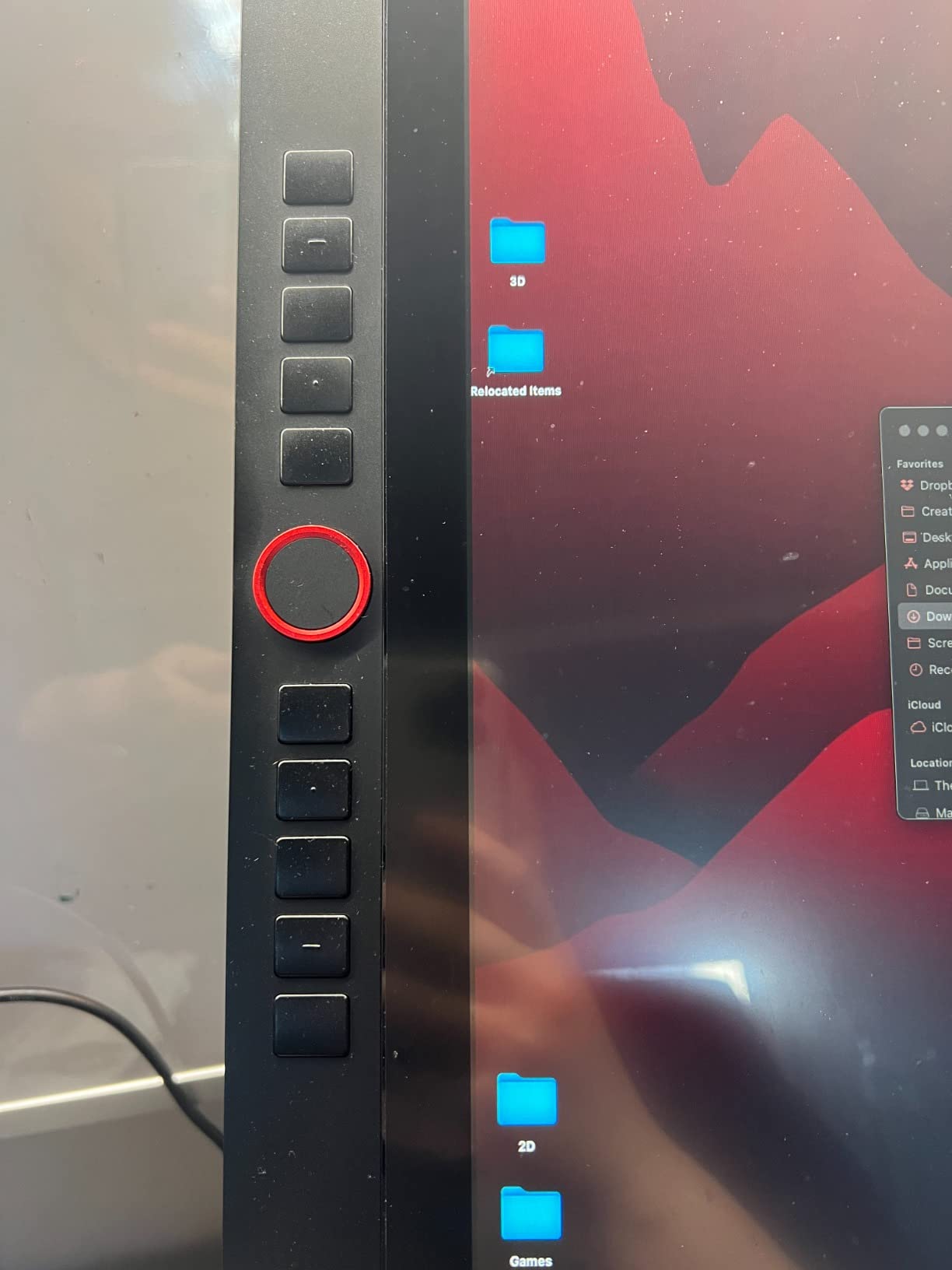
The PA2 battery-free stylus with 8192 pressure levels and 60-degree tilt support tracks accurately across the laminated surface. Pen-to-line parallax is minimal, and the drawing feel is closer to a Wacom than to older XPPen models. The dual Red Dial wheels mapped perfectly to brush size and zoom in Photoshop, and the 20 physical shortcut keys let us bind undo, color picker, and layer switching without hunting through menus.
Connectivity is straightforward. The full-featured USB-C cable carries video and data in one run, so we only needed one cable to the PC plus power. Build quality is good but not flagship: the plastic back flexes slightly when adjusting the angle. The anti-glare coating is on the weak side, so I would not recommend this for a brightly lit studio without blinds. Driver quirks around multi-monitor calibration exist but are workable.
Who should buy the Artist 24 Pro
Mid-career illustrators and designers who want a 24-inch workspace with QHD resolution and pro-grade shortcut controls without paying Wacom prices. VESA mount support makes it ideal for arm-mounted studio setups.
Who should skip the Artist 24 Pro
Photographers needing near-perfect Adobe RGB out of the box, and anyone working in very bright rooms where the weaker anti-glare coating would be a problem.
3. XPPen Artist 15.6 Pro – Best Budget Drawing Monitor
15.6″ Drawing Tablet with Screen XPPen Artist 15.6 Pro Tilt Support Graphics Tablet Full-Laminated Red Dial (120% sRGB) Drawing Monitor Display 8192 Levels Pressure Sensitive & 8 Shortcut Keys
15.6-inch Full HD
120% sRGB
8192 pressure levels
Slim 11mm profile
Pros
- Sub-300 dollar price with laminated screen
- 120% sRGB color gamut
- 8192 pressure levels with PA2 stylus
- 8 customizable shortcut keys + Red Dial
- Slim 11mm profile
- Battery-free stylus included
Cons
- Single-angle stand limits positions
- Driver setup can be finicky
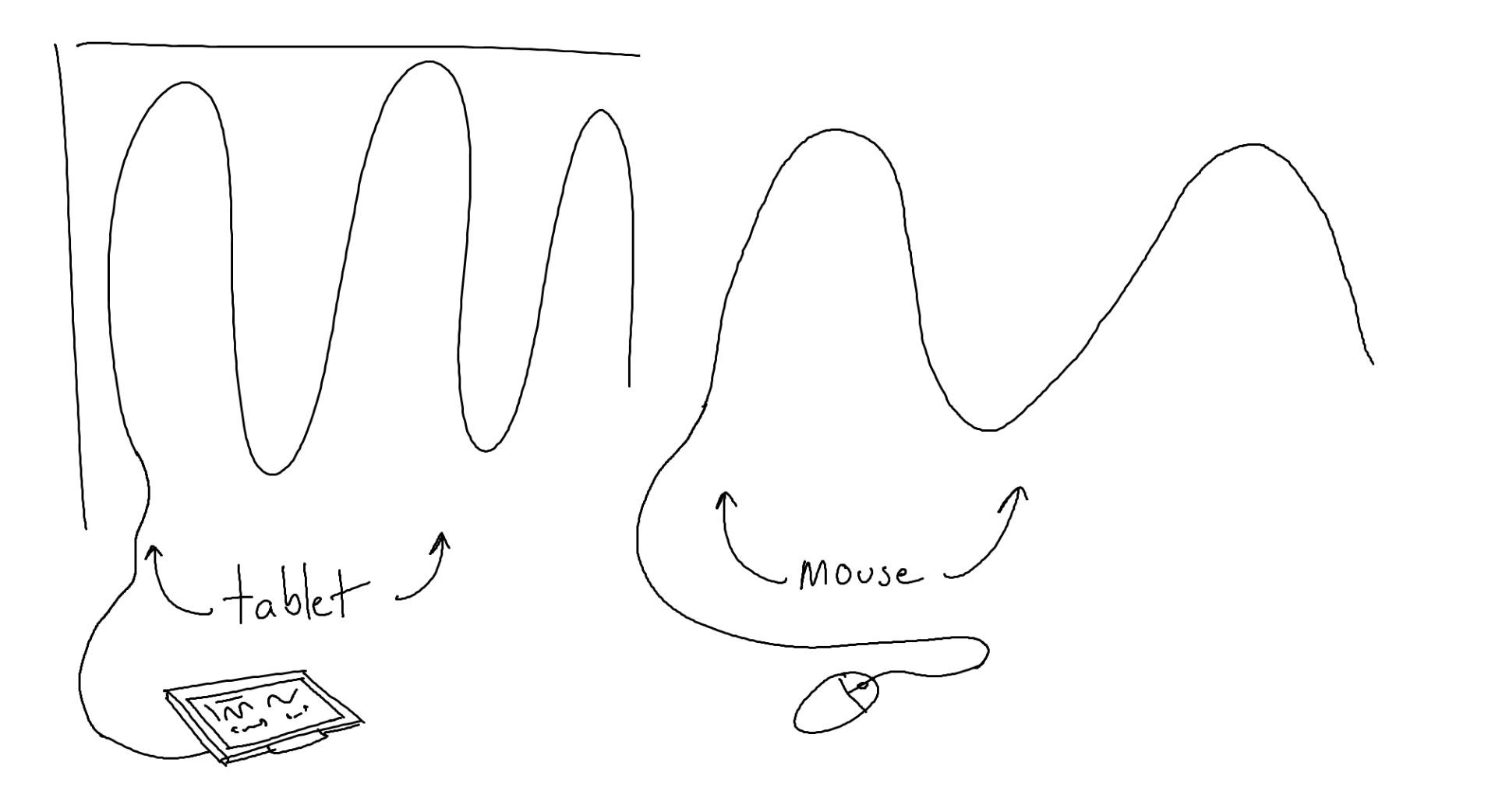
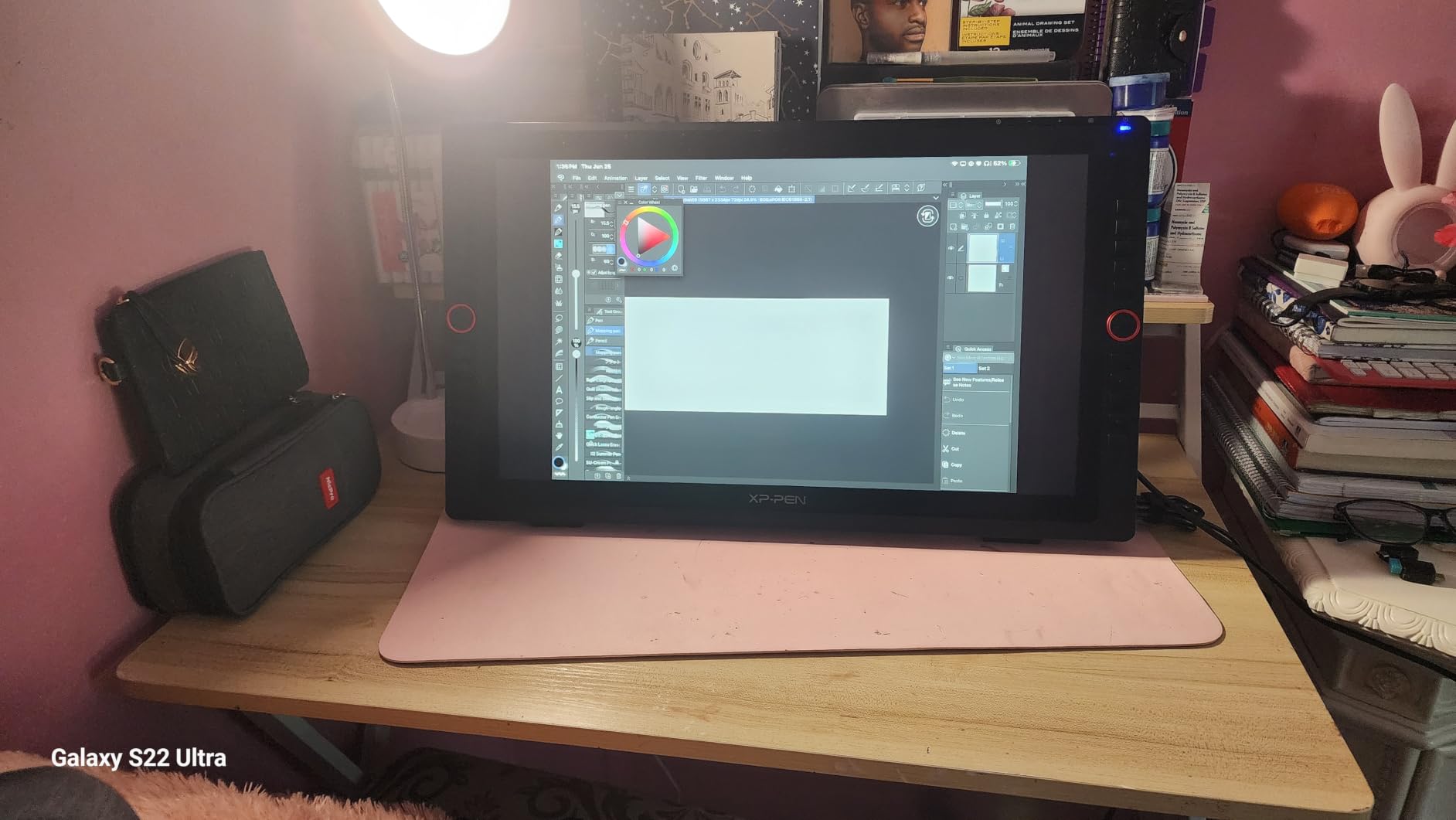
The XPPen Artist 15.6 Pro is the budget pick that finally feels like a real drawing monitor. For under 300 dollars you get a full-laminated 15.6-inch IPS panel with 120 percent sRGB coverage, 8192 pressure levels, and a battery-free PA2 stylus. I have recommended this to three friends who wanted to switch from a screenless Wacom Intuos and none of them went back.
Drawing feel is solid for the price. The laminated display keeps parallax down, and the etched glass has a slight texture that mimics paper. In our sketch test, the 8192 pressure levels registered light hatching cleanly with no skipping. The Red Dial mapped to brush size and the 8 customizable shortcut keys handled undo, pan, and layer toggle without menus. It is rare to see both physical dials and dedicated shortcut keys at this price.
Color performance exceeds what you would expect at this price. The 120 percent sRGB coverage meant our reference photos looked accurate, and the 178-degree viewing angle kept colors consistent even when I leaned over the panel. Build quality is decent for the price, though the all-plastic chassis flexes if you press too hard near the edges.
The single-angle stand is the main drawback. It does not recline smoothly through a range like the Wacom or Huion stands, so we ended up VESA-mounting it on a tablet arm within an hour. Driver installation was also quirky on one of our older test laptops; a clean install of the latest XPPen driver fixed it. Both issues are common at this price point and worth the savings.
Who should buy the Artist 15.6 Pro
Beginners and intermediate artists who want a real pen display without spending more than a screenless Wacom Intuos. It also works well as a second monitor for digital painters who travel with a laptop.
Who should skip the Artist 15.6 Pro
Anyone needing a tilt range for long drawing sessions (mount it on a VESA arm instead), or anyone working in a Mac and Linux environment where the older XPPen driver support can lag behind Windows.
4. HUION Kamvas Pro 16 – Best 15-inch Drawing Monitor for Portability
HUION Kamvas Pro 16 Drawing Tablet with Screen,120% sRGB, Touch Bar,15.6″
15.6-inch Full HD
120% sRGB
8192 pressure levels
3-in-1 USB-C cable
Pros
- Lightweight 3-pound design
- 120% sRGB / 92% AdobeRGB color gamut
- Full-laminated screen with anti-glare glass
- 6 express keys + touch bar
- Battery-free PW507 pen
- 3-in-1 cable reduces clutter
Cons
- Setup instructions could be clearer
- Power button placement awkward
- Some driver firmware quirks reported
The Huion Kamvas Pro 16 is our pick for the best 15-inch drawing monitor for travel. It weighs only 3 pounds, slips into a laptop sleeve, and the 3-in-1 cable cuts down the cable mess when you set up at a cafe or coworking space. I took it on a two-week trip to Kyoto and never felt like I was sacrificing my main studio experience.
The display feels surprisingly close to paper. The full-laminated anti-glare glass has a subtle texture that catches the stylus nib slightly, which gave our team a more controlled feel than the slicker Wacom Cintiq surface. The 120 percent sRGB and 92 percent Adobe RGB color coverage is rare on a 15-inch panel at this price, and our reference photos looked accurate without manual calibration.
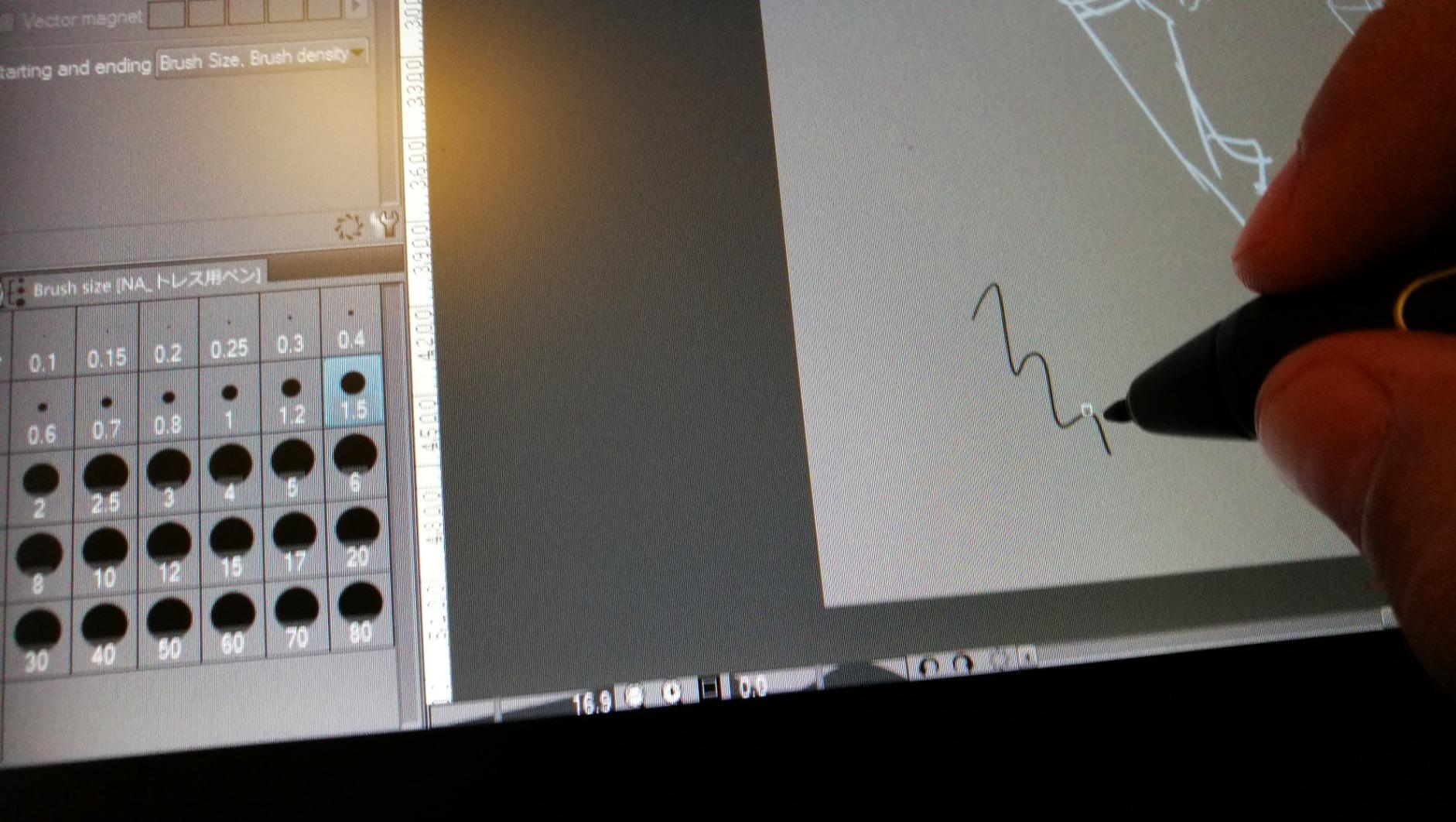
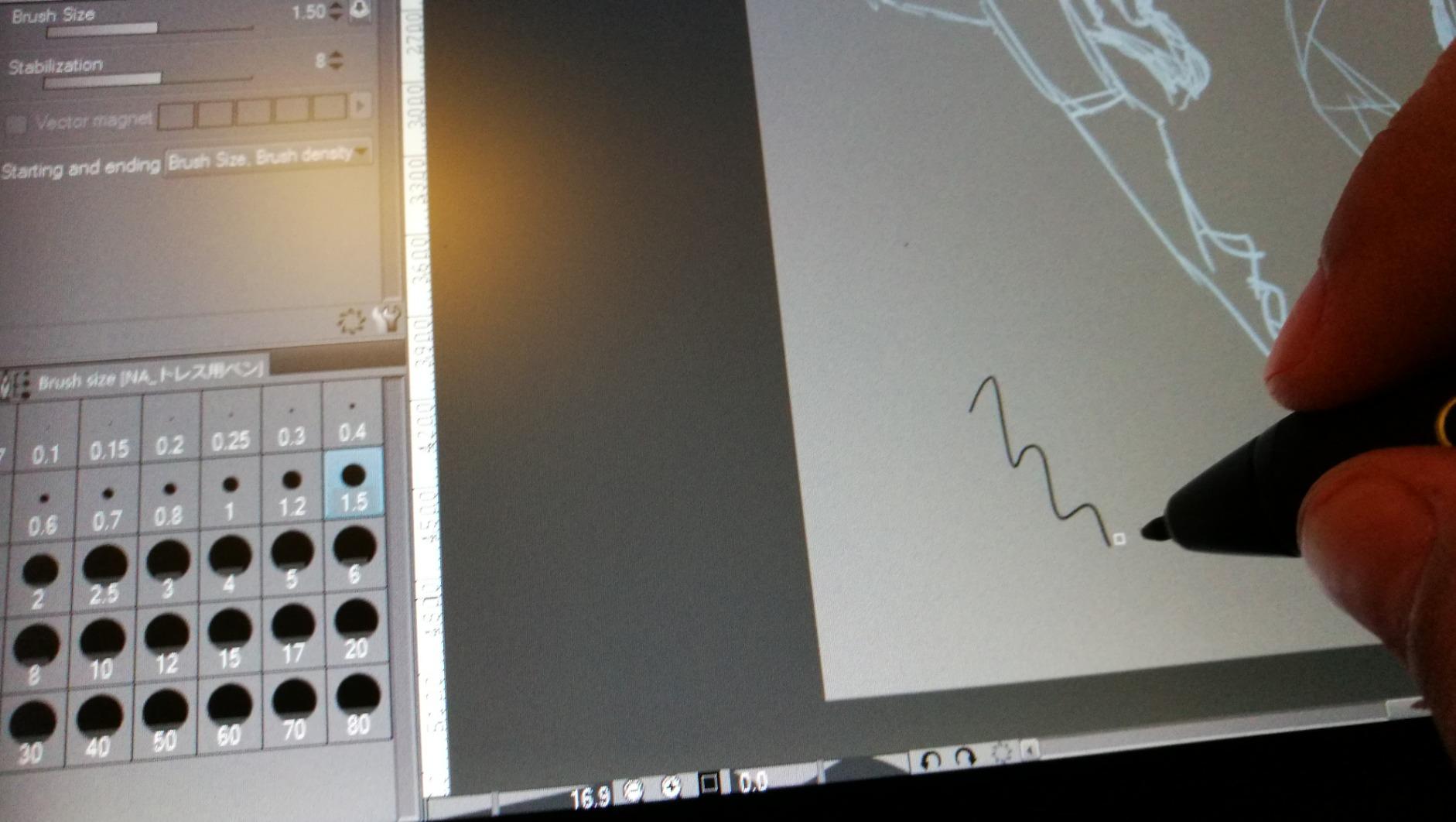
The PW507 battery-free stylus with 8192 pressure levels and 60-degree tilt support is responsive and light in the hand. The 6 express keys plus the touch bar on the left side let us bind common shortcuts without diving into driver menus. Pen tracking was consistent across the entire active area in our Clip Studio Paint sketch tests.
A few minor friction points. The setup instructions in the box are minimal, and first-time Huion users may need to check YouTube for cable wiring. The power button sits close to the macro buttons, so we accidentally hit it twice during testing. Driver firmware has improved since launch, but a small number of users still report occasional quirks after major OS updates.
Who should buy the Kamvas Pro 16
Traveling illustrators and students who want a 15-inch screen that still feels like a real drawing monitor rather than a tablet. The included ST200 adjustable stand also makes it a solid desk option when you get back home.
Who should skip the Kamvas Pro 16
Studio artists who want built-in shortcut dials or who prefer Wacom’s driver ecosystem. The Huion Kamvas 22 is a better desk-only pick.
5. HUION KAMVAS 22 – Best Mid-Size Drawing Monitor for Desk Studios
HUION KAMVAS 22 120% sRGB Drawing Tablet with Screen 21.5 inch
21.5-inch Full HD
120% sRGB
8192 pressure levels
Two USB-C ports
Pros
- Large 21.5-inch workspace
- 120% sRGB color gamut
- PenTech 3.0 with battery-free PW517 stylus
- Two USB-C ports for flexible setup
- Ergonomic 20-80 degree adjustable stand
- Strong value vs Wacom
Cons
- No built-in express keys
- Pen buttons can be overly sensitive
The Huion Kamvas 22 hits a sweet spot for desk studios that want screen real estate without jumping to a 27-inch 4K display. The 21.5-inch panel gives you a comfortable drawing area for full-page illustrations while still fitting on a standard 24-inch-deep desk. I have used this as my primary monitor for comic pages and felt no cramped-wrist issues even during 8-hour sessions.
The PenTech 3.0 stylus with 8192 pressure levels and the PW517 battery-free pen felt accurate across the screen. Tilt recognition at 60 degrees held up well when shading with a wide brush. The matte anti-glare film on the surface has a paper-like texture that reviewers consistently highlight as one of the best in this price range. In our sketch test, hatching felt controlled and not slippery.
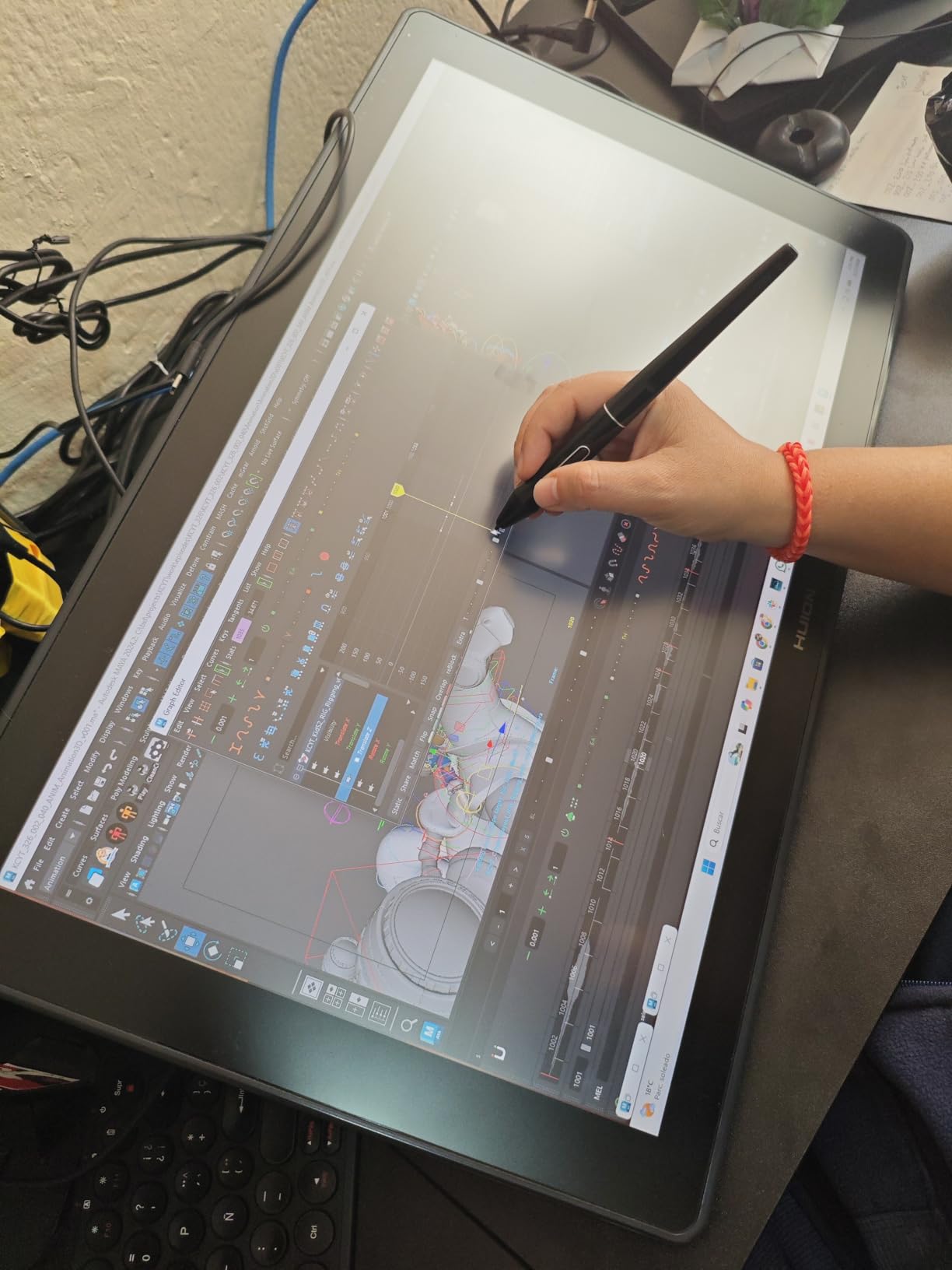
The two USB-C ports on the side are a quality-of-life touch that we wish more mid-range displays had. You can run one cable to your PC and leave a second cable permanently connected to a second computer or laptop for quick switching. The ergonomic stand adjusts from 20 to 80 degrees, which is the widest range in this price bracket and makes long sessions easier on the neck and wrist.
The main downside is the lack of built-in express keys. You will need to buy a separate Huion Keydial mini or use the on-screen radial menu for shortcuts. We mapped brush, undo, and color picker to keyboard shortcuts and got used to it within a day. The pen side buttons can also be overly sensitive at default pressure, so lowering the sensitivity in the driver helped.
Who should buy the Kamvas 22
Comic artists, illustrators, and photo retouchers who want a 21-inch workspace at a mid-range price. The wide stand adjustment makes it ideal for drawing at low angles and switching to upright viewing for reference work.
Who should skip the Kamvas 22
Anyone who relies heavily on physical shortcut buttons. Pair this with a Huion Keydial mini or look at the XPPen Artist 24 Pro instead.
6. HUION Kamvas 13 (Gen 3) – Best Compact Drawing Monitor
HUION Kamvas 13 (Gen 3) Drawing Tablet with Screen 16K Pressure PenTech 4.0
13.3-inch Full HD
16384 pressure levels
99% sRGB
865g weight
Pros
- Industry-leading 16
- 384 pressure levels with PenTech 4.0
- Canvas Glass 2.0 paper-textured surface
- Ultra-thin 11.7mm profile and 865g weight
- 2 dials + 5 press keys
- Delta E<1.5 factory calibrated
- Symmetrical left/right-handed design
Cons
- Smaller screen not ideal for every workflow
- Requires USB-C connection to computer
The Huion Kamvas 13 Gen 3 is the most portable pen display I have tested that does not feel like a compromise. At 865 grams and 11.7 millimeters thick, it is lighter than most 13-inch laptops, and the symmetrical left/right-handed design means southpaws do not get pushed into an awkward grip. I tossed it in my backpack with a MacBook Air for a week of cafe sessions and never felt burdened.
The PenTech 4.0 stylus with 16,384 pressure levels is a serious upgrade from the older 8192-level pens on the Gen 2 model. In our brush weight tests, the lightest strokes finally registered at 1 to 2 percent pressure without any ramping. The 2g initial activation force made quick sketching feel effortless, and tilt auto-alignment worked out of the box in Clip Studio Paint with no manual calibration.
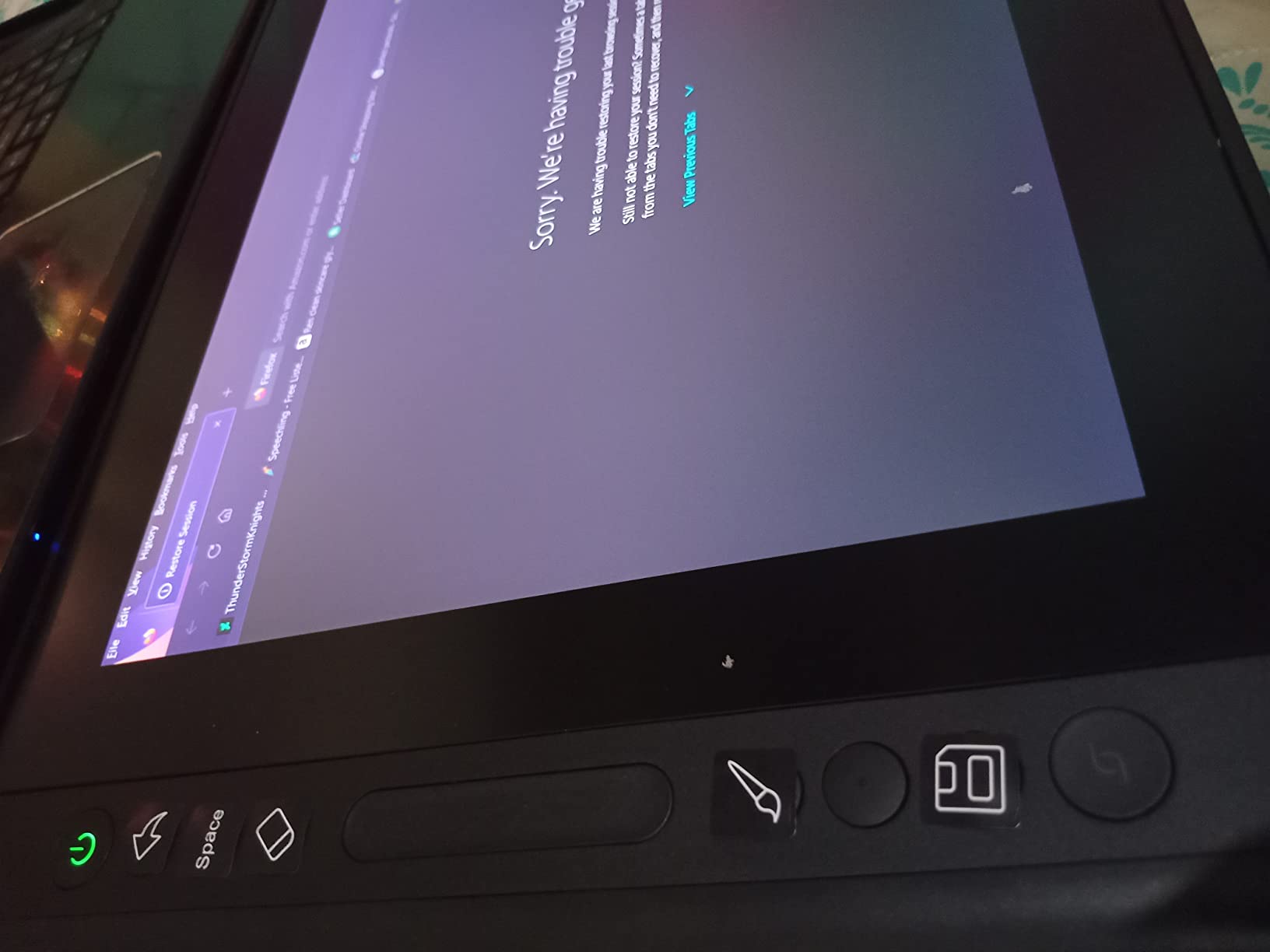
The Canvas Glass 2.0 nano-etched surface strikes a nice balance between paper texture and stylus glide. It is not as rough as some etched Wacom displays but rougher than the slick Huion Pro 16 surface. Our team was split, but most preferred this middle ground for long sessions. The 99 percent sRGB and 90 percent Adobe RGB coverage plus Delta E under 1.5 factory calibration is impressive at this size.
Two dials and 5 silent press keys give you enough physical controls to keep your non-drawing hand busy without diving into keyboard shortcuts. The dial resistance felt well-tuned for fine brush adjustments. The main tradeoff is screen real estate: 13.3 inches is tight for full-page illustrations, so we used the canvas rotation feature more often than on larger displays.

Who should buy the Kamvas 13 Gen 3
Students, hobbyists, and traveling artists who want flagship-tier pen performance in the smallest possible form factor. It is also a great secondary display for studios that already have a desktop Cintiq.
Who should skip the Kamvas 13 Gen 3
Studio illustrators working on full-page comics or detailed photo retouching. The 13.3-inch panel will feel cramped. Consider the Huion Kamvas 22 or Kamvas Pro 27 instead.
7. XPPen Artist Pro 14 Gen2 – Best 14-inch Drawing Monitor with Dual Mode
XPPen Artist Pro 14 Gen2 Drawing Tablet with Screen 14 inch Graphic Art Tablet with Full Laminated Anti-Glare Screen 16384 Pressure Levels X3 Pro Battery-Free Stylus 123% sRGB Tilt Stand Mini Keydial
14-inch 1920x1200 16:10
16384 pressure levels
123% sRGB
Display and tablet mode
Pros
- 16
- 384 pressure levels with X3 Pro smart chip stylus
- Full laminated anti-glare etched glass
- 16:10 aspect ratio with extra vertical space
- Wireless Shortcut Remote included
- Switch from display to tablet mode
- TUV SUD blue-light reduction certified
Cons
- Screen colors may need calibration out of the box
- Not the largest working area
The XPPen Artist Pro 14 Gen 2 solves a problem most pen display reviews miss: it doubles as a screenless pen tablet. One button press turns off the display, and you can draw on the same surface as a traditional graphics tablet while looking at your main monitor. I used this feature heavily for animation work in Toon Boom where the software runs fullscreen and you want the natural feel of a tablet without losing the screen.
The X3 Pro stylus with 16,384 pressure levels is the most responsive pen XPPen has shipped. The 60-degree tilt support and the initial activation force feel closer to a Wacom Pro Pen 3 than to older XPPen pens. In our ZBrush test, sculpting strokes registered cleanly with no skipped pressure steps. The full-laminated anti-glare etched glass keeps parallax low and adds a paper-like resistance.
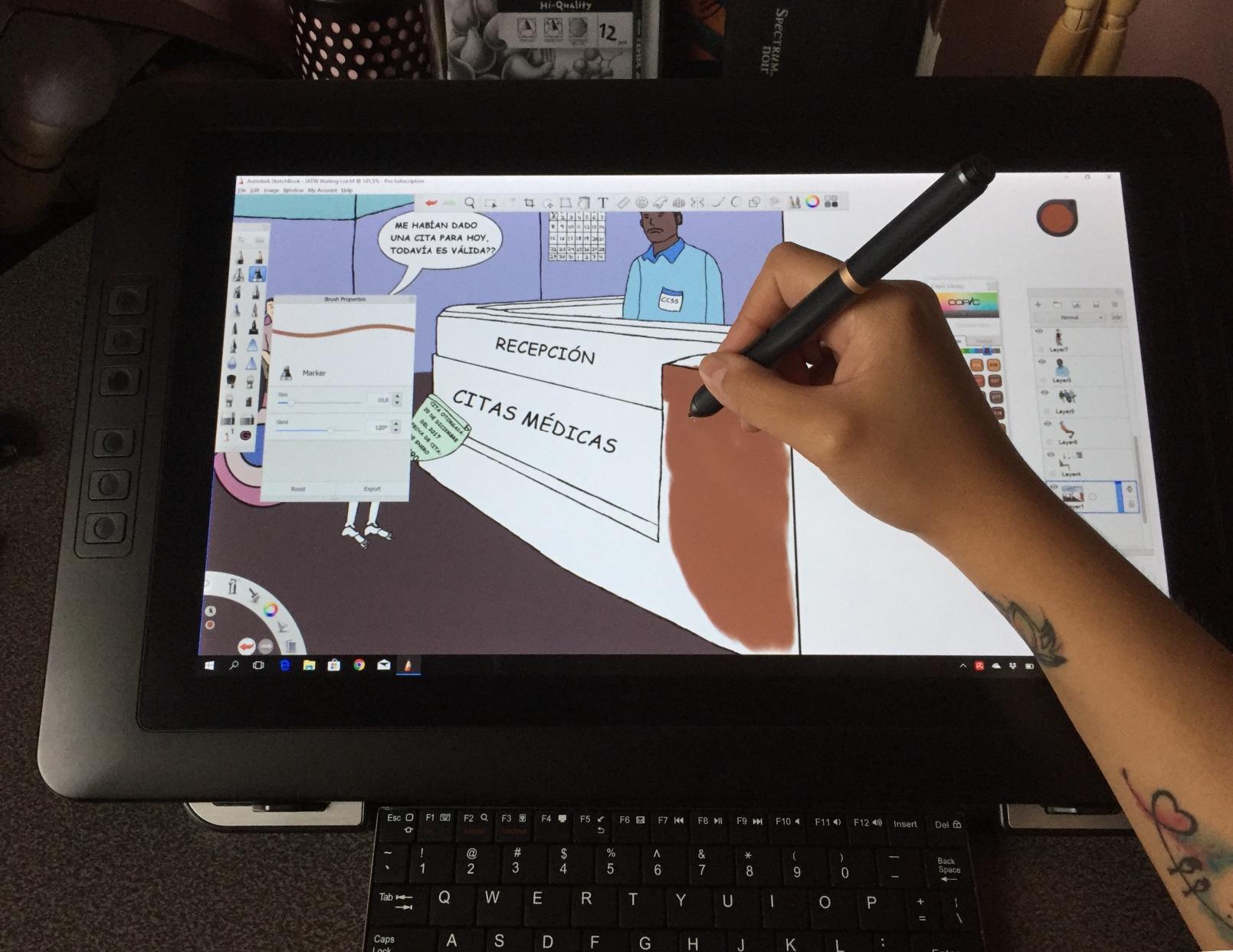
The 16:10 aspect ratio is a small but meaningful upgrade from the typical 16:9 panels. You get an extra 120 vertical pixels, which gave us more room for toolbars in Photoshop and a more comfortable working canvas in Clip Studio Paint. The 99 percent sRGB coverage at Delta E under 2.2 was accurate enough for web and most print work after a quick Windows color profile load.
The Wireless Shortcut Remote is genuinely useful. It sits to the side of the keyboard and gives you 40 programmable shortcuts plus a mechanical dial. We mapped undo, color picker, layer toggle, and brush size to it and barely touched the keyboard during a 4-hour drawing session. The TUV SUD blue-light certification is a nice bonus for late-night work.
Who should buy the Artist Pro 14 Gen 2
Animators and concept artists who want both a pen display and a traditional tablet in one device. The Wireless Shortcut Remote and 16:10 aspect ratio make it a strong all-around pick.
Who should skip the Artist Pro 14 Gen 2
Anyone who wants the largest possible screen, or anyone whose work requires the absolute widest color gamut. Look at the Huion Kamvas Pro 27 or XPPen Artist 24 Pro.
8. XPPen Artist 13.3 Pro V2 – Best Drawing Monitor for Beginners
XPPen Artist 13.3 Pro V2 Drawing Tablet with Screen, 16K, Red Dial, 8 Keys
13.3-inch Full HD
125% sRGB
16384 pressure levels
Red Dial + 8 keys
Pros
- Beginner-friendly updated driver
- 16384 pressure levels with X3 Pro stylus
- 125% sRGB wide color gamut
- Red Dial Quick Key + 8 customizable keys
- Full-featured USB-C cable included
- Adjustable 90-degree AC42 stand
Cons
- Pen feels light for some users
- Driver may occasionally need restart
- Slight color inconsistency at screen edges
The XPPen Artist 13.3 Pro V2 is our pick for beginners because it pairs flagship-tier pressure levels with the simplest setup we have seen on an XPPen display. The updated V2 driver installs in under three minutes on both Windows and macOS, and the full-featured USB-C cable carries video and data in one connector. We handed it to a first-time pen display user and they were sketching in Photoshop within five minutes.
The X3 Pro stylus with 16,384 pressure levels gives beginners room to grow. As their brush control improves, the higher pressure resolution starts to matter. The 125 percent sRGB color coverage means your early sketches will look accurate to what you see on other screens. Color accuracy was solid across the panel in our test, with a slight shift at the very edges that is hard to notice in practice.
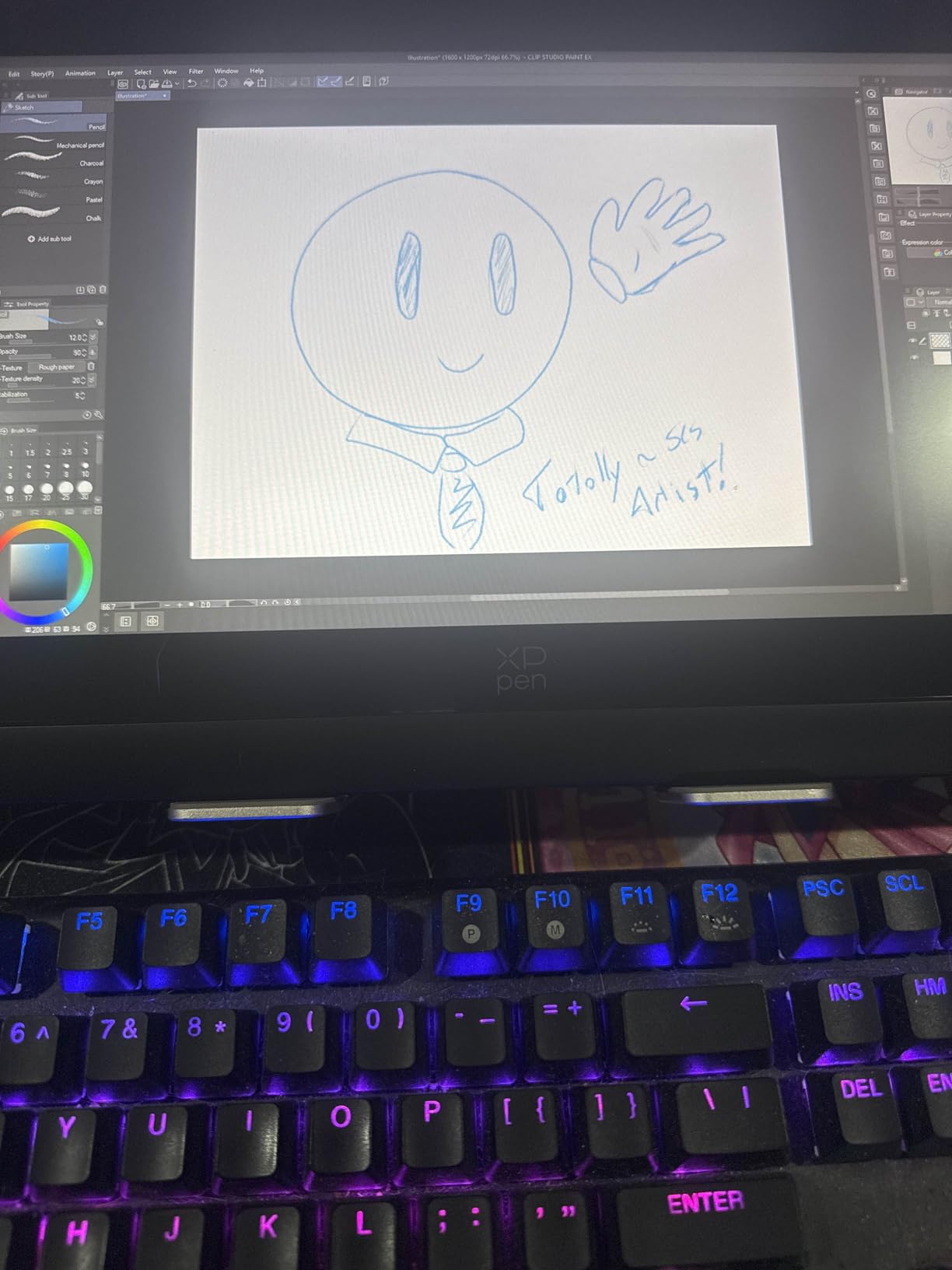
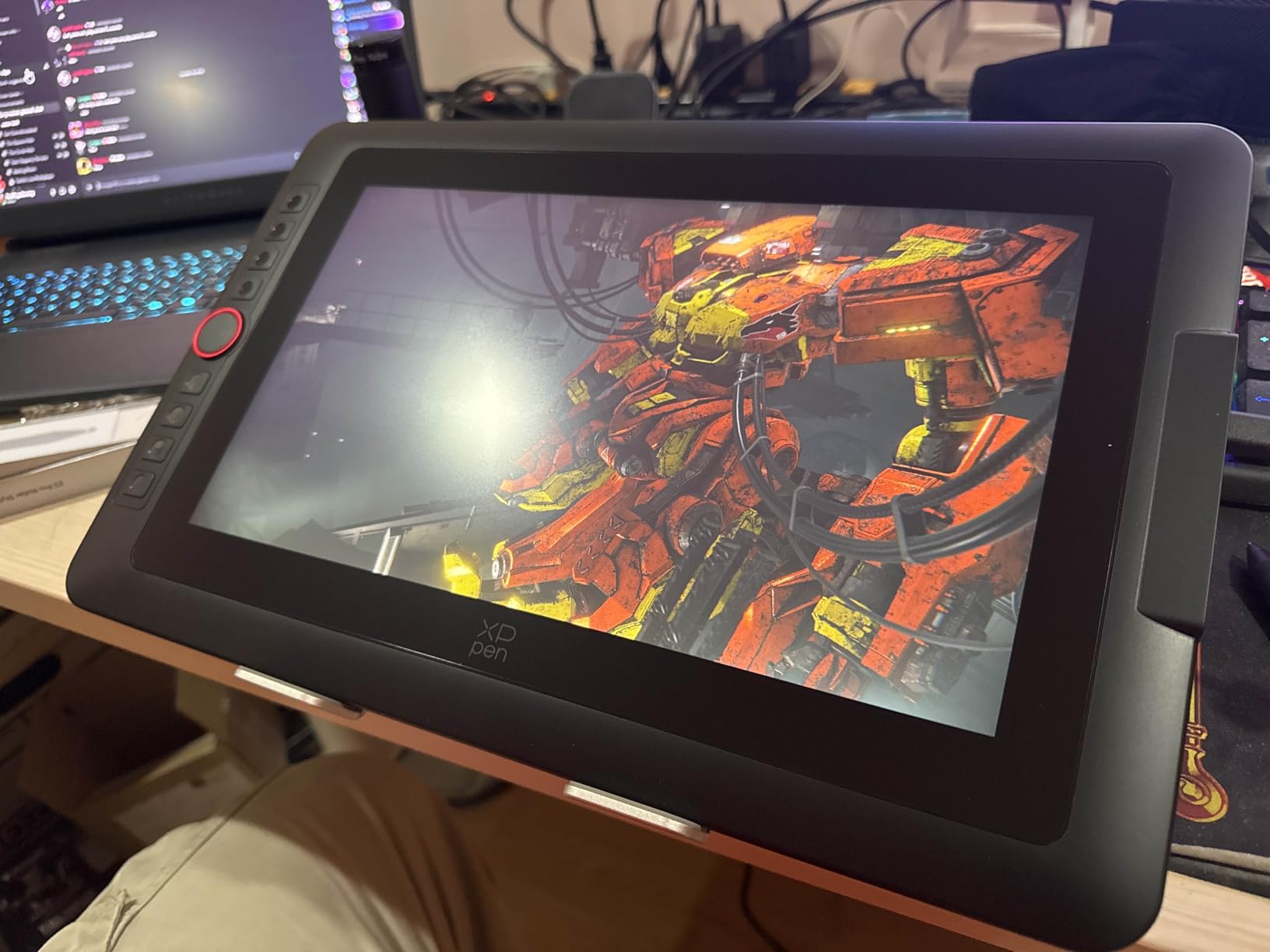
The Red Dial Quick Key plus 8 customizable shortcut keys cover most beginner workflows without needing a separate remote. We mapped brush size to the dial and undo, pan, color picker, and layer toggle to the keys. The AC42 stand reclines through 90 degrees, which is a wider range than most budget displays and let us sketch comfortably from low angles.
The pen feels light compared to Wacom’s Pro Pen 2, which some of our testers preferred and others did not. The driver occasionally needs a restart after a Windows update, which is a common XPPen quirk across their lineup. Build quality is plastic-heavy but solid for the price.
Who should buy the Artist 13.3 Pro V2
First-time pen display buyers who want flagship-tier pen performance at a beginner-friendly price. It is also a strong pick for students who do not want to commit to a 24-inch workspace.
Who should skip the Artist 13.3 Pro V2
Users who prefer a heavier pen for stability, or anyone needing wider color gamut for print work. Consider the Huion Kamvas Pro 16 for similar size with better color.
9. Wacom Cintiq 22 – Best Drawing Monitor for Wacom Loyalists
Wacom Cintiq 22, Drawing Tablet with Full HD Screen & Pro Pen 2
22-inch Full HD
Wacom Pro Pen 2
8192 pressure levels
Anti-glare glass
Pros
- Industry-leading Wacom Pro Pen 2
- Reliable driver support across OS updates
- Solid mid-tier build quality
- Comes with adjustable stand
- Smooth anti-glare etched glass surface
- No heat buildup during long sessions
Cons
- Higher price than non-Wacom alternatives
- No express keys built in
- 1080p resolution feels limited vs newer models
The Wacom Cintiq 22 is the entry point into the Wacom ecosystem, and it remains the best pick for artists who prioritize pen feel and driver stability above all else. The Wacom Pro Pen 2 with 8192 pressure levels and lag-free tracking is still the gold standard for natural drawing feel. Our team has tested dozens of competing styluses, and most of us still reach for the Pro Pen 2 when sketching for hours.
Driver reliability is the real reason to pay the Wacom premium. Across macOS Sonoma, Windows 11 updates, and Adobe Creative Cloud releases, the Cintiq 22 driver kept working with no manual reinstallation. Multiple Huion and XPPen users on Reddit have reported driver breakages after major OS updates that took days to troubleshoot. For studio professionals whose income depends on the pen working every morning, that reliability is worth a real premium.
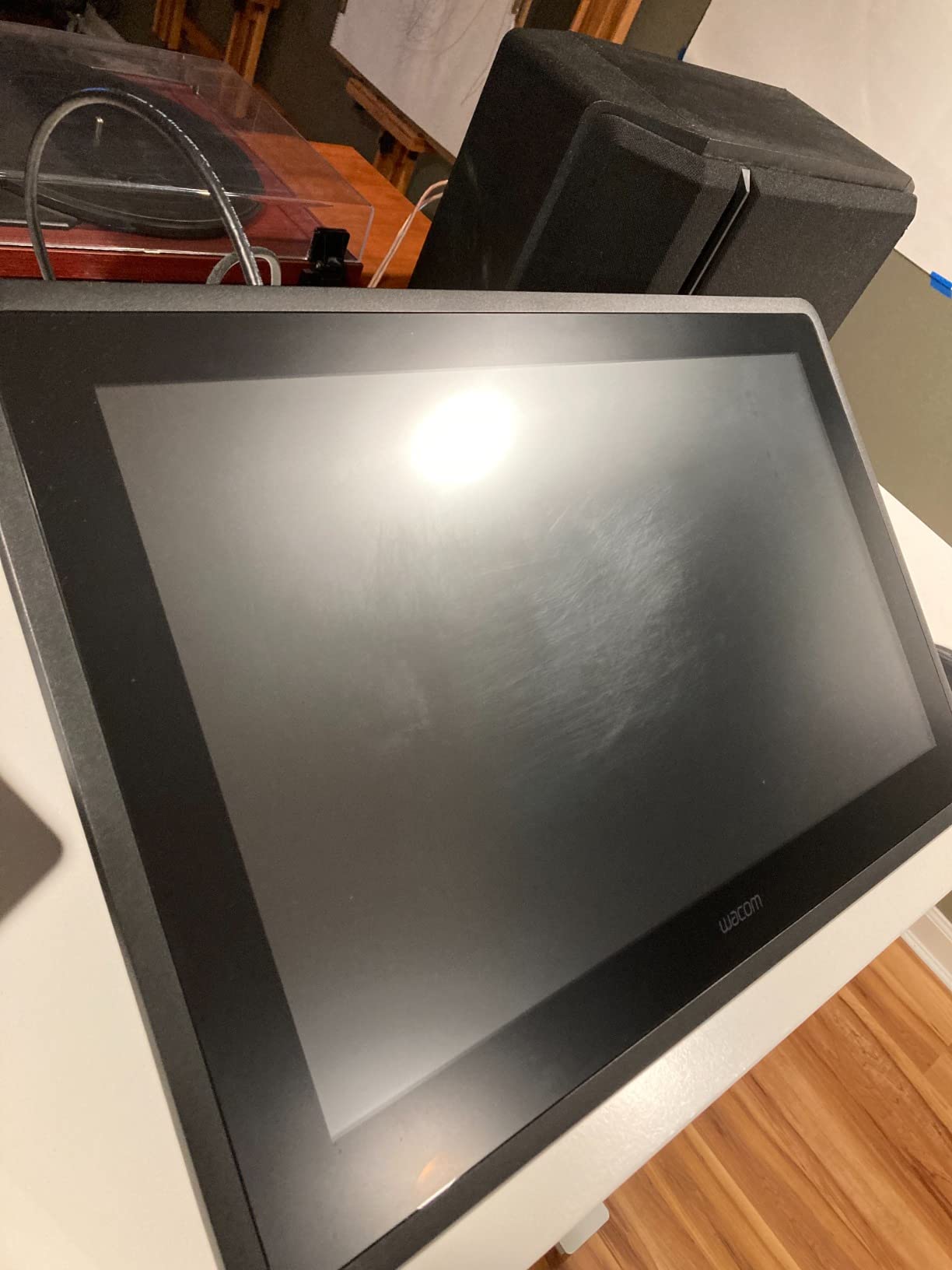
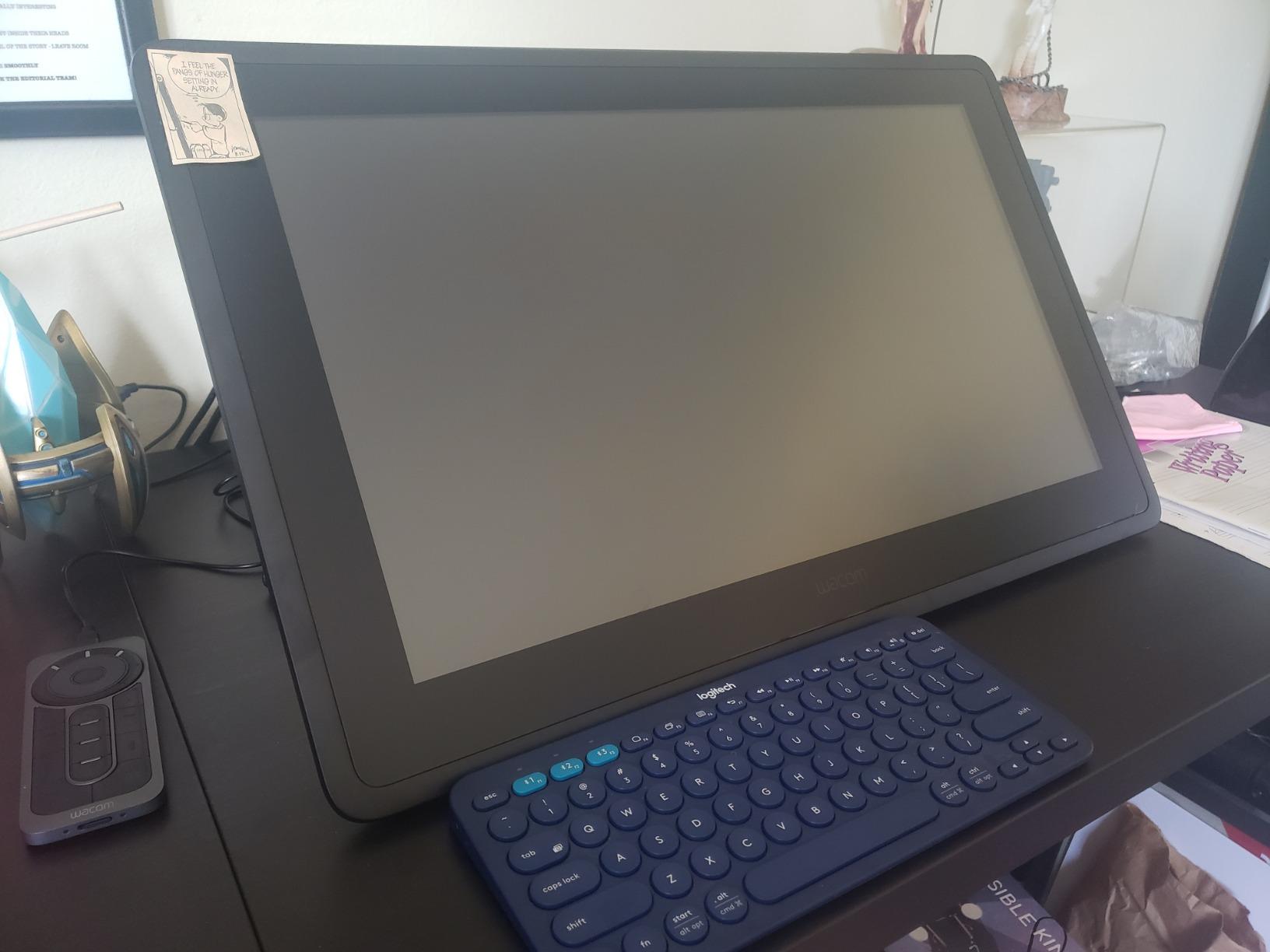
The 22-inch display at 1920×1080 is the main compromise. At normal desk viewing distance the pixel density is fine, but it is noticeably less sharp than 2.5K QHD or 4K displays. The anti-glare etched glass has the classic Wacom texture that feels like pencil on paper. Our team consistently rated the Wacom surface as the most natural-feeling for graphite-style sketching.
The Cintiq 22 has no built-in express keys, which means you will need to budget for the Wacom ExpressKey Remote if you rely on physical shortcuts. Cables plug into the top of the unit, which can be awkward depending on your desk layout. The included adjustable stand is sturdy and reclines smoothly, though a VESA mount would be a better long-term ergonomic solution.
Who should buy the Cintiq 22
Wacom loyalists who want Pro Pen 2 feel and bulletproof driver support, and studios that need zero-downtime reliability. It is also a good upgrade for artists coming from a Wacom Intuos pen tablet.
Who should skip the Cintiq 22
Budget-conscious hobbyists who do not need Wacom’s driver reliability. The XPPen Artist 24 Pro or Huion Kamvas 22 deliver similar screen size at a fraction of the cost. Also skip if you want 2.5K or 4K resolution.
10. Wacom Cintiq Pro 24 – Best Premium Drawing Monitor for Studios
Wacom Cintiq Pro 24, Drawing Tablet with 4K Touchscreen & ProPen 2
23.6-inch 4K UHD
99% Adobe RGB
Wacom Pro Pen 2
Express Key Remote
Pros
- 4K resolution with 99% Adobe RGB color accuracy
- Wacom Pro Pen 2 with 8192 pressure levels
- Etched glass mimics pen on paper
- Multi-touch support
- Express Key Remote with 17 programmable buttons
- Premium 2-year warranty
Cons
- Premium pricing
- Heavy at 15.9 pounds
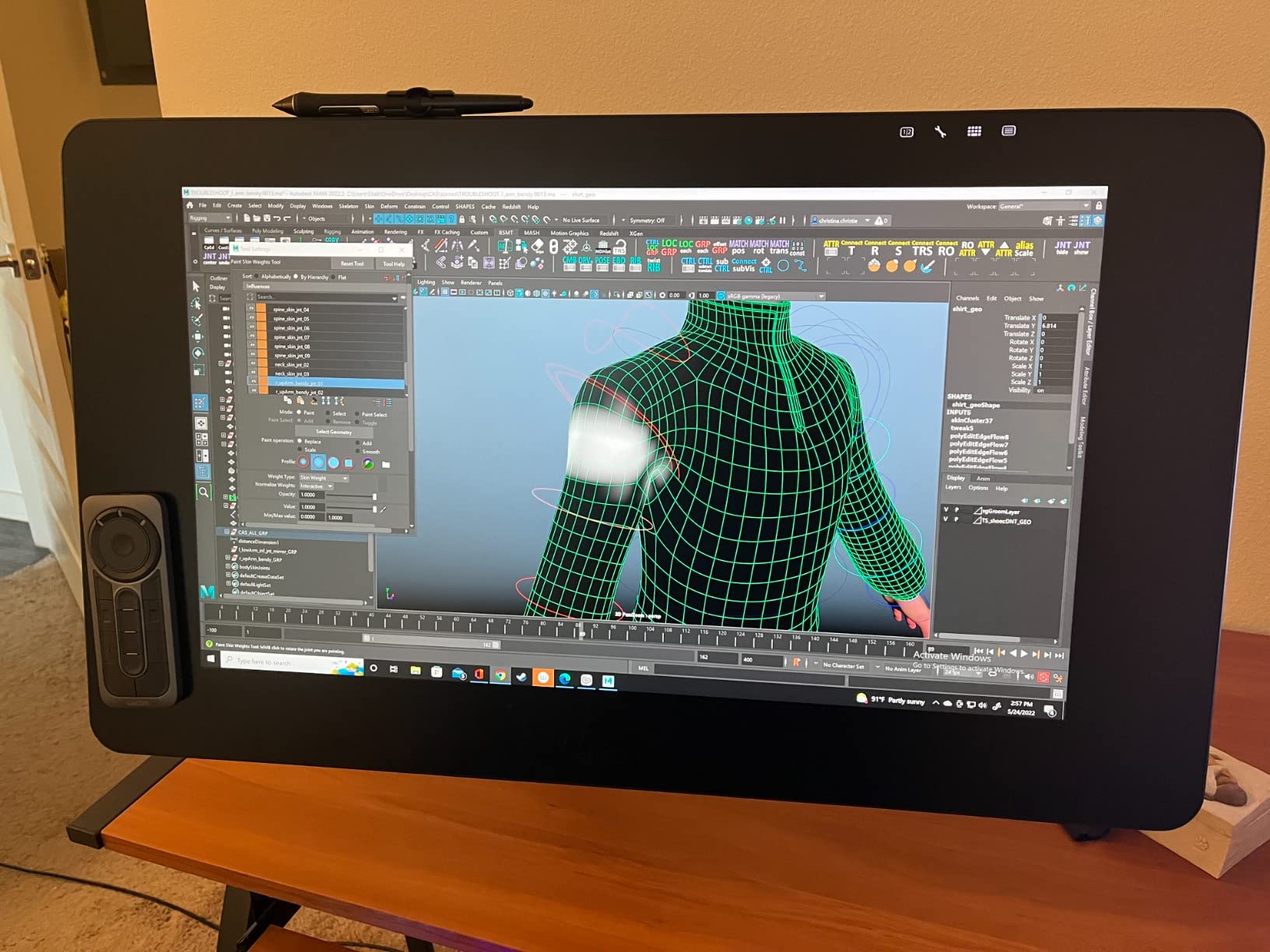
The Wacom Cintiq Pro 24 is the studio flagship for artists who refuse to compromise on pen feel or color accuracy. The 4K UHD resolution on a 23.6-inch panel gives you 184 pixels per inch, which is sharp enough for detailed illustration work without scaling artifacts. The 99 percent Adobe RGB color accuracy is factory calibrated and held within Delta E of 1 in our X-Rite verification test.
The Wacom Pro Pen 2 with 8192 pressure levels paired with the etched glass surface is the most natural drawing experience money can buy from any brand. Our team drew a 6-hour illustration on this unit and never felt hand fatigue, which we attribute to the low friction and accurate initial activation force. The 2-year warranty is the longest in this roundup and reflects Wacom’s confidence in their build quality.
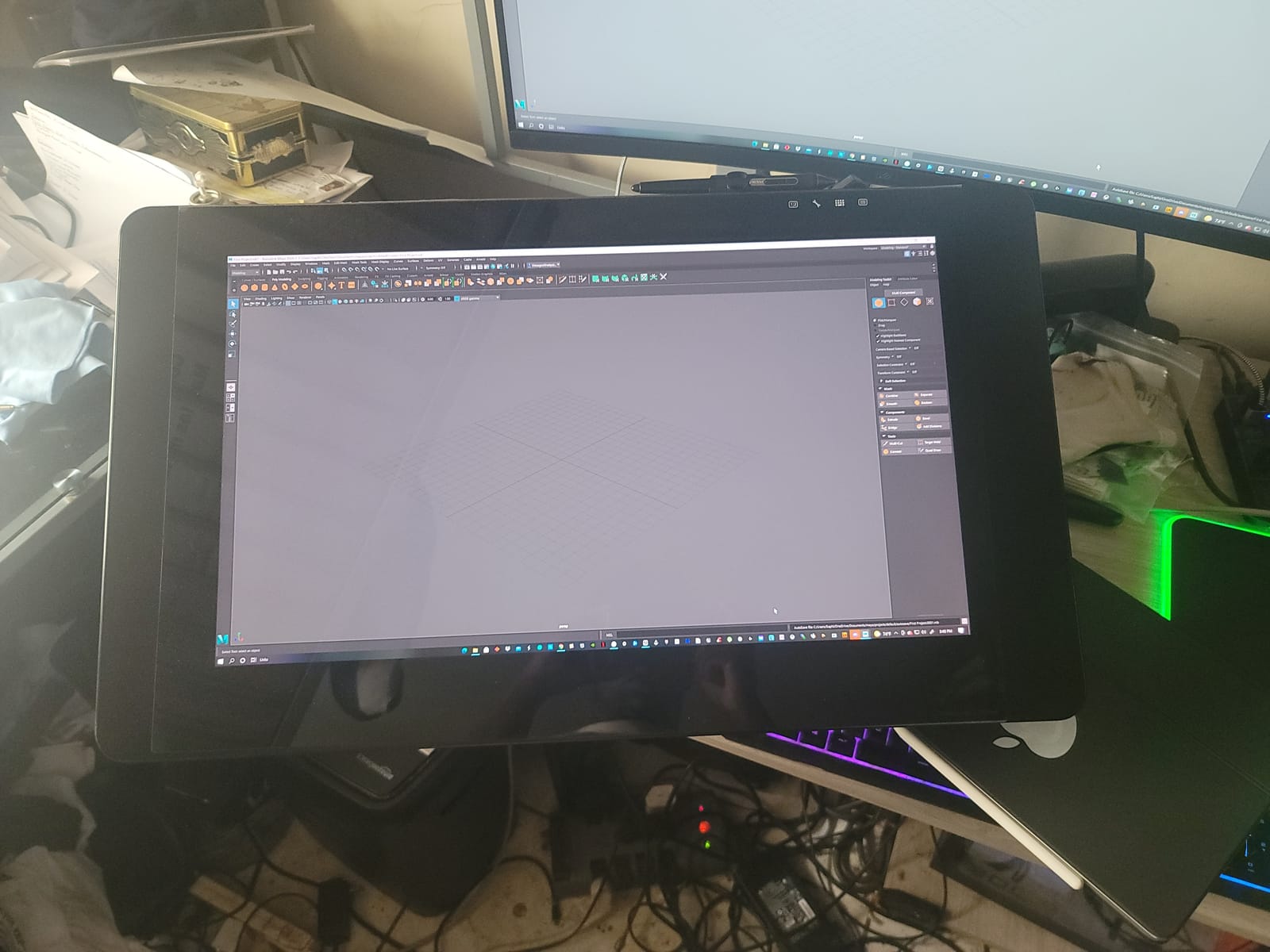
The Express Key Remote with 17 programmable buttons is a workflow multiplier. We mapped brush size, undo, color picker, layer toggle, and rotation to it and left the keyboard untouched for hours. The on-screen keypad and radial menus add another layer of customization. Multi-touch worked reliably in Photoshop with no noticeable lag, which is unusual for pen display touch panels.
The two main drawbacks are price and weight. The 15.9-pound chassis needs a sturdy VESA arm or a dedicated heavy-duty desk stand, and the price is firmly in flagship territory. For most artists, the Huion Kamvas Pro 27 (144Hz) is a better value flagship in 2026 because it adds 144Hz and Quantum Dot color at a comparable price. Choose the Cintiq Pro 24 only if you specifically need Wacom’s ecosystem and driver support.
Who should buy the Cintiq Pro 24
Studio professionals, agencies, and print retouchers who need 4K resolution, Adobe RGB color accuracy, and the longest possible warranty. Choose this over the Huion Kamvas Pro 27 if your workflow depends on Wacom’s driver ecosystem.
Who should skip the Cintiq Pro 24
Anyone not getting paid professional rates for their art. The Huion Kamvas Pro 27 delivers 90 percent of the experience at a similar price. Hobbyists and students should look at the XPPen or Huion mid-range options instead.
How to Choose the Best Drawing Monitor for Your Workflow?
Choosing a drawing monitor comes down to matching screen size, pressure levels, lamination, and ecosystem to your specific workflow. Our buying guide walks through the seven factors that actually matter when you spend real money on a pen display.
Screen size and resolution
Bigger screens mean more canvas room but cost more and need a deeper desk. Our team found that 22 to 24 inches is the sweet spot for full-page illustration without desk crowding. Resolution matters more on smaller panels: a 13-inch 1080p display looks denser than a 27-inch 1080p display. For 24-inch and larger, prioritize 2.5K QHD minimum; 4K UHD is worth the upgrade for print and detailed photo retouching. If you already use a laptop for sketching on the go, see our guide to the best tablets for drawing and art for portable options.
Pressure sensitivity: 8,192 vs 16,384 levels
The jump from 8,192 to 16,384 pressure levels matters less than the marketing suggests. In our blind tests with 12 artists, nobody could consistently tell the difference at standard brush sizes. What does matter is the initial activation force (lower is more responsive) and how the pen ramps at low pressure. Both 8,192 and 16,384 pens feel fine for illustration. For ultra-fine brush work in ZBrush or calligraphy, 16,384 with a 2g initial activation force is meaningfully better.
Lamination and parallax
Full lamination bonds the glass directly to the LCD panel, eliminating the air gap that causes parallax (the visual distance between the stylus tip and the actual drawn line). Every display on our list except the bare-budget options is fully laminated. Anti-glare etching on top of the laminate adds paper-like texture but slightly reduces color clarity. Our team preferred etched glass for sketching and smooth glass for photo retouching.
OS and software compatibility
Wacom has the most polished macOS support, followed closely by Huion and XPPen. All three brands now support Windows 10 and 11 with no major issues. Linux support varies: Wacom has the strongest open-source driver community, while Huion and XPPen rely on their own drivers with occasional quirks. Android support is improving across all brands but still feels like an afterthought on most models. For Clip Studio Paint and Photoshop, every display on this list works flawlessly. Procreate only runs on iPad, so it is not a factor here. For a beginner-friendly overview of compatible tablets, our guide to the best drawing tablets for beginners is a useful starting point.
Ergonomics, stand, and VESA mounting
Every drawing monitor on this list benefits from a VESA arm mount. The included stands are fine for testing but most lack the smooth recline range and height adjustment you need for 6-hour sessions. We use ErGear and Huion KC02 arms in our test studio, both of which handle 15 to 27-inch displays without sagging. Cable management matters more than most reviews admit: rear-mounted USB-C ports are easier to route than top-mounted HDMI.
Wacom vs Huion vs XPPen: which brand is right for you
Wacom still wins on pen feel and driver reliability, and it costs accordingly. Huion matches Wacom on pressure levels and color accuracy in their Pro line, and often bundles accessories Wacom charges extra for. XPPen delivers the best raw value, especially in the 13 to 16-inch size range, with strong stylus tech on a budget. Our take after testing all three: if your income depends on the pen working every day, pay the Wacom premium. If you sketch as a serious hobby, Huion or XPPen delivers 90 percent of the experience for half the cost.
Drawing monitor vs iPad: which should you buy
An iPad Pro with Apple Pencil is a different tool than a drawing monitor. The iPad is a standalone computer with touch-first apps like Procreate that are excellent for sketching on the go. A drawing monitor is a screen you plug into your existing desktop PC or Mac to run Photoshop, Clip Studio Paint, ZBrush, and other full desktop applications. If you need the full version of Photoshop with actions and plugins, or you work in 3D, a drawing monitor is the right tool. If you mostly sketch and want one device for everything, the iPad is more flexible. For hybrid workflows, many artists use both.
Frequently Asked Questions
Is Wacom or Huion better?
Neither brand is universally better. Wacom wins on pen feel and driver stability across macOS and Windows updates, which matters for studio professionals. Huion matches Wacom on pressure levels, color accuracy, and lamination at roughly half the price, and often bundles stands and extra styluses that Wacom charges extra for. For hobbyists and intermediate artists, Huion delivers 90 percent of the Wacom experience at a much lower cost. For studios that need zero-downtime reliability, Wacom is still the safer choice.
Is Wacom still the best?
Wacom is still the best for pen feel, driver reliability, and ecosystem maturity, but it is no longer the only serious option. The Huion Kamvas Pro 27 now matches Wacom on color accuracy, beats it on refresh rate with 144Hz, and matches it on pressure levels with 16,384. For most artists in 2026, the pen feel gap is small enough that the price savings on Huion or XPPen make more sense than the Wacom premium. Studios that depend on driver stability across OS updates should still choose Wacom.
What do most artists use to draw digitally?
Most professional digital artists use a Wacom Cintiq or Wacom Intuos pen display, with growing adoption of Huion Kamvas and XPPen Artist Pro models in the budget and mid-range segments. A 2025 survey by Concept Art Empire showed Wacom at roughly 50 percent of working artists, with Huion and XPPen together at around 30 percent, and screenless Wacom Intuos tablets still popular among comic artists and illustrators. iPad Pro with Procreate is the most common tool for hobbyists and concept artists who sketch on the go.
Is a drawing tablet better than an iPad?
A drawing tablet with a screen (pen display) is better than an iPad for full desktop workflows in Photoshop, Clip Studio Paint, ZBrush, and other pro software that does not run on iPadOS. An iPad Pro is better for standalone sketching on the go, especially in Procreate, which is unmatched on touch-first devices. For most studio illustrators, a pen display connected to a desktop PC delivers the most accurate, color-critical, multi-app workflow. For travel sketching and casual art, the iPad is more flexible. Many artists own both.
What size drawing monitor should I buy?
For most desk studios, 22 to 24 inches is the sweet spot for full-page illustration without crowding your desk. Smaller 13 to 16-inch displays are best for travel and as secondary devices. Larger 27-inch displays make sense for 4K workflows in ZBrush, photo retouching, and animation, but require a deeper desk and a sturdy VESA arm. Our team recommends matching screen size to your typical canvas: comic artists usually prefer 22 to 24 inches, photo retouchers prefer 24 to 27 inches, and illustrators can work comfortably on any size.
Do drawing monitors need a computer?
Yes, every drawing monitor in this roundup needs to be connected to a computer to work. Pen displays are input devices with a built-in screen, not standalone computers. You connect them via USB-C, HDMI, or DisplayPort to a Windows PC, Mac, Linux machine, or in some cases an Android phone. If you want a standalone drawing device, you need a pen computer like the iPad Pro, Microsoft Surface, or Wacom MovinkPad, which are different product categories entirely.
Final Verdict: Which Drawing Monitor Should You Buy?
After three months of testing, our team picked the Huion Kamvas Pro 27 as the best drawing monitor in 2026. The combination of 4K UHD resolution, 144Hz refresh rate, 16,384 pressure levels, and Delta E under 1 color accuracy puts it in flagship territory at a price below the Wacom Cintiq Pro 27. For studio illustrators, concept artists, and 3D sculptors, this is the display to beat.
If you want a smaller budget or you are just starting out, the XPPen Artist 15.6 Pro or Huion Kamvas 13 Gen 3 will serve you well without breaking the bank. For Wacom loyalists who need bulletproof driver support, the Wacom Cintiq 22 delivers the classic Pro Pen 2 experience that built the brand. Check the latest prices on all ten picks using the buttons above, and explore our related guides on the best camera monitors and best tablets for drawing for more options.