
When you are tracking a vocal or a guitar amp, the only headphone spec that can ruin the take is leakage. My pick for the best headphones for studio recording is the Audio-Technica ATH-M50X, a 38 ohm closed-back pair that seals well, runs directly off almost any audio interface, and survives daily studio abuse. It is not the most exciting-sounding headphone on this list, and that is exactly why it works.
That said, a closed-back can be a poor mixing reference, and an open-back can be useless in a live room. So this roundup splits every model by the job it actually does: tracking with a mic in front of the performer, critical mixing, or a low-cost second pair. Each entry lists impedance, isolation behaviour and the honest reason to skip it.
I spent weeks moving between these twelve pairs on a home rig with a Scarlett-class interface, tracking vocals in an untreated spare room, and I leaned hard on what long-term owners report back. Ratings and review counts come from thousands of verified buyers, not from me.
Top 3 Picks: Studio Headphones for Recording Right Now (October 2026)

Audio-Technica ATH-M50X
- 38 ohm closed-back
- detachable cable
- 90 degree swivel cups
- 45 mm drivers


Best Headphones for Studio Recording in 2026 at a Glance
| Product | Specs | Action |
|---|---|---|
| Audio-Technica ATH-M50X |
|
Check Latest Price |
| Sony MDR-7506 |
|
Check Latest Price |
 Audio-Technica ATH-M20x Audio-Technica ATH-M20x |
|
Check Latest Price |
 beyerdynamic DT 990 Pro beyerdynamic DT 990 Pro |
|
Check Latest Price |
 Audio-Technica ATH-M40x Audio-Technica ATH-M40x |
|
Check Latest Price |
 Sennheiser HD 599 Sennheiser HD 599 |
|
Check Latest Price |
 AKG K240STUDIO AKG K240STUDIO |
|
Check Latest Price |
 Sennheiser HD 280 Pro Sennheiser HD 280 Pro |
|
Check Latest Price |
 Samson SR850 Samson SR850 |
|
Check Latest Price |
 MAONO MH601 MAONO MH601 |
|
Check Latest Price |
 OneOdio Pro-10 OneOdio Pro-10 |
|
Check Latest Price |
| beyerdynamic DT 700 PRO X |
|
Check Latest Price |
1. Audio-Technica ATH-M50X: the best headphones for studio recording overall
Audio-Technica ATH-M50X Professional Studio Monitor Headphones, Black, Professional Grade, Critically Acclaimed, with Detachable Cable
38 ohm impedance
45 mm drivers
20 Hz to 28 kHz
Detachable cable
Pros
- Excellent isolation for tracking vocals and instruments
- Accurate bass with extended clarity
- 90 degree swivel cups for one-ear monitoring
- Detachable cable and replaceable pads
Cons
- Closed-back stage limits low-end judgement
- Slightly firmer clamp than lighter rivals
The ATH-M50X is the pair I hand to a vocalist who has never worn studio headphones before and expect no explanation. The seal is good, the clamp is firm enough to hold the cups still while someone moves their head, and the 38 ohm load means a modest interface headphone output drives it without an external amp.
Buyers consistently describe the same thing: a deep, accurate low end that does not blur into the midrange, and enough upper detail to hear sibilance problems on a vocal take before you commit to comping it. Roughly 83 percent of ratings are five star across more than 33,000 reviews.
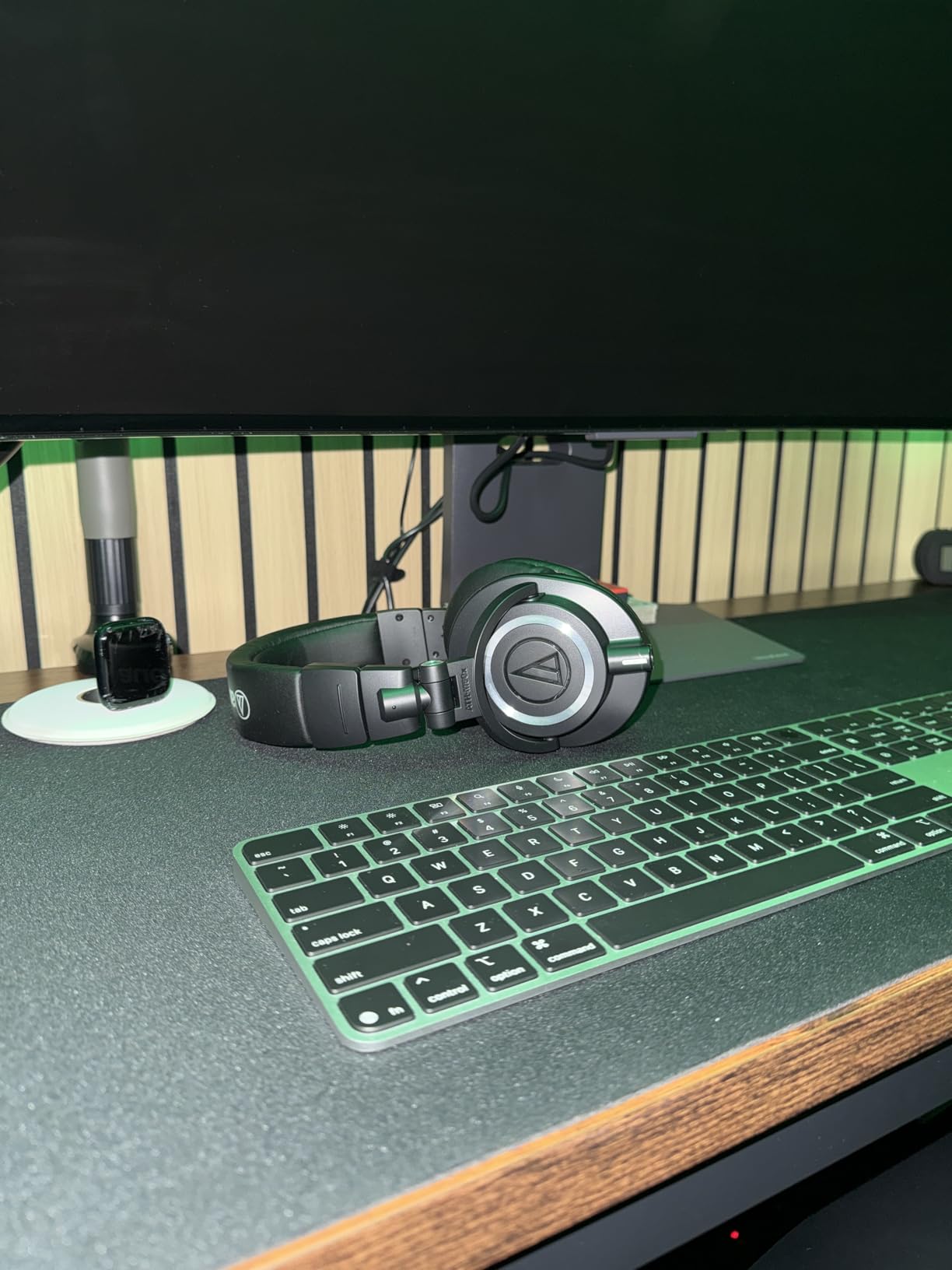
For tracking, the circumaural design is the reason it works. The cup wraps the whole ear, which blocks more of the room and pushes more of the driver’s output inward. Compare that to an on-ear design that leaves the pinna exposed and you can hear the difference in leakage from three feet away.
The 90 degree swivelling earcups let you fold one cup up for one-ear cue monitoring without shifting the headband. That matters during a vocal comp session, when one ear stays open to the room mic and the performer needs their own voice in the mix.
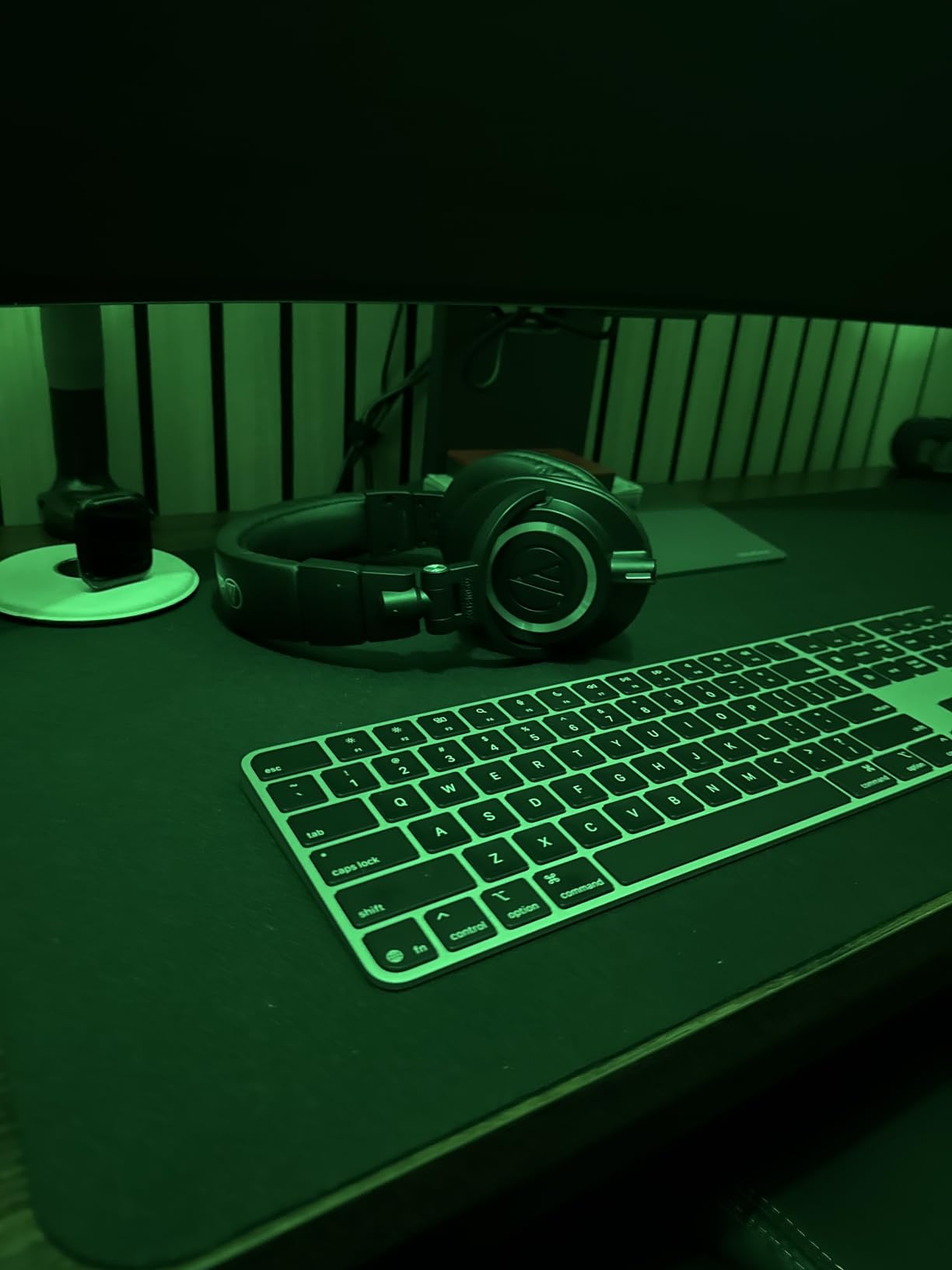
Who this headphone is built for
Home producers tracking vocals in a shared or untreated room, podcasters who need isolation more than reference accuracy, and any engineer who wants one pair that handles both tracking and rough mixing. It is also the safest first studio headphone because 38 ohm removes the amp question entirely.
If you already own decent monitors, you can read more about how the two work together in our guide to the best studio monitors. Headphones and monitors answer different questions, so most engineers keep both.
Who should skip it
Skip it if your main job is judging reverb depth and low-end translation. A sealed cup cannot tell you how a kick translates on a club system, and no amount of familiarity fixes that. If your work is mastering or mix translation, add an open-back reference later.
The clamp is also the one recurring comfort complaint. If you wear glasses and feel pressure on the temple arms after an hour, that is the fit talking, not a defective pair.
2. Sony MDR-7506: a broadcast and tracking standard
Sony MDR7506 Professional Large Diaphragm Headphone
63 ohm impedance
40 mm neodymium drivers
10 Hz to 20 kHz
8 ounces
Pros
- Very light at 8 ounces
- Revealing neutral voicing engineers trust for broadcast
- Decades of proven professional use
- Folds flat with an included soft case
Cons
- Non-detachable integrated cable cannot be replaced
- Light sub-bass versus consumer-tuned cans
- Ear pads and hinge plastic wear over years
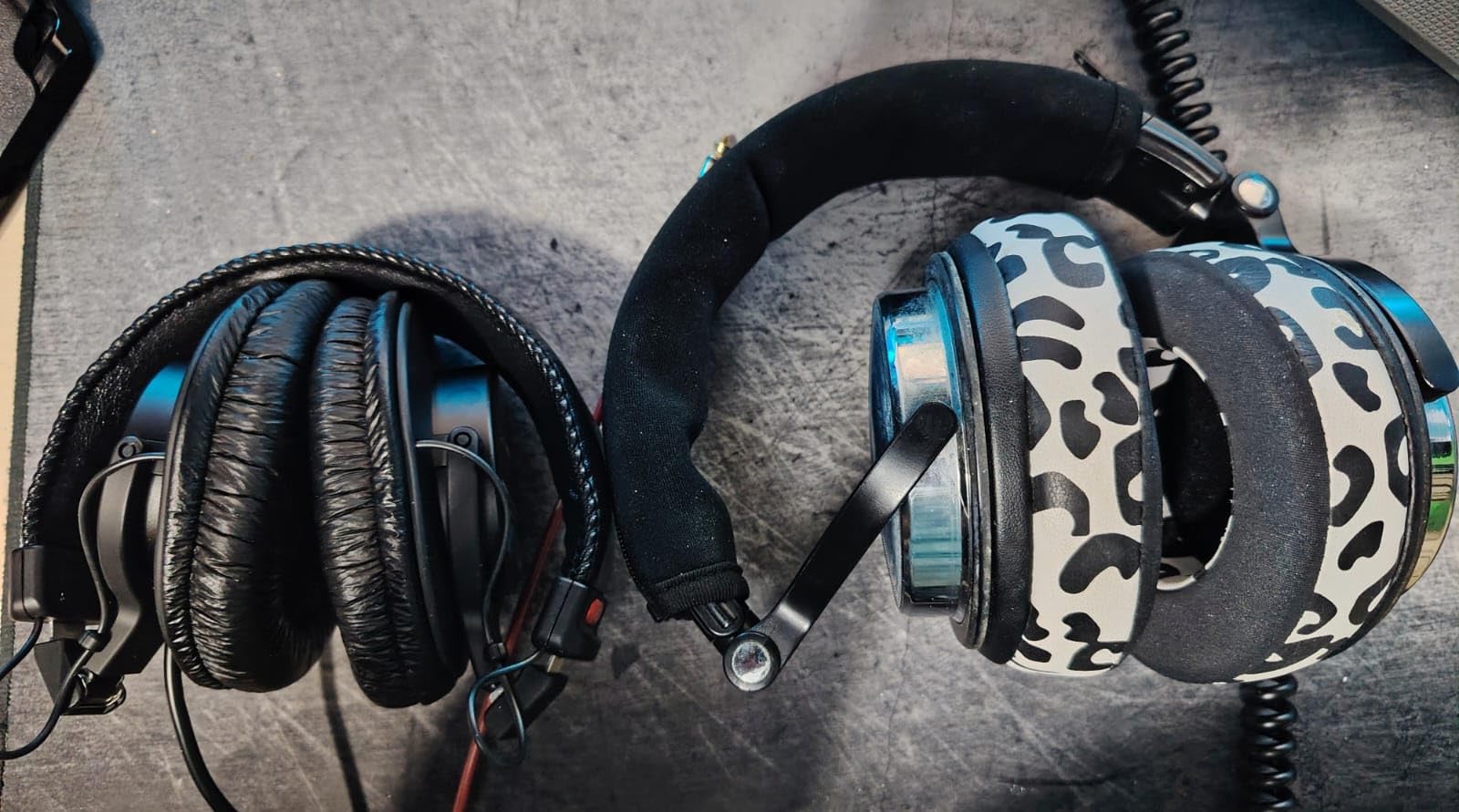
The MDR-7506 has been in broadcast houses and tracking rooms for longer than most engineers have been working. It weighs eight ounces, which makes it easy to wear through a double tracking session, and the 40 mm neodymium drivers stay reasonably composed at raised volume.
Sound is neutral and slightly revealing. That means a harsh vocal balance stays harsh in your mix instead of flattering itself, which is precisely what you want while tracking. On r/musicproduction, users routinely pair it with the Sennheiser HD 280 Pro as the two industry-standard workhorses, calling both built like tanks.
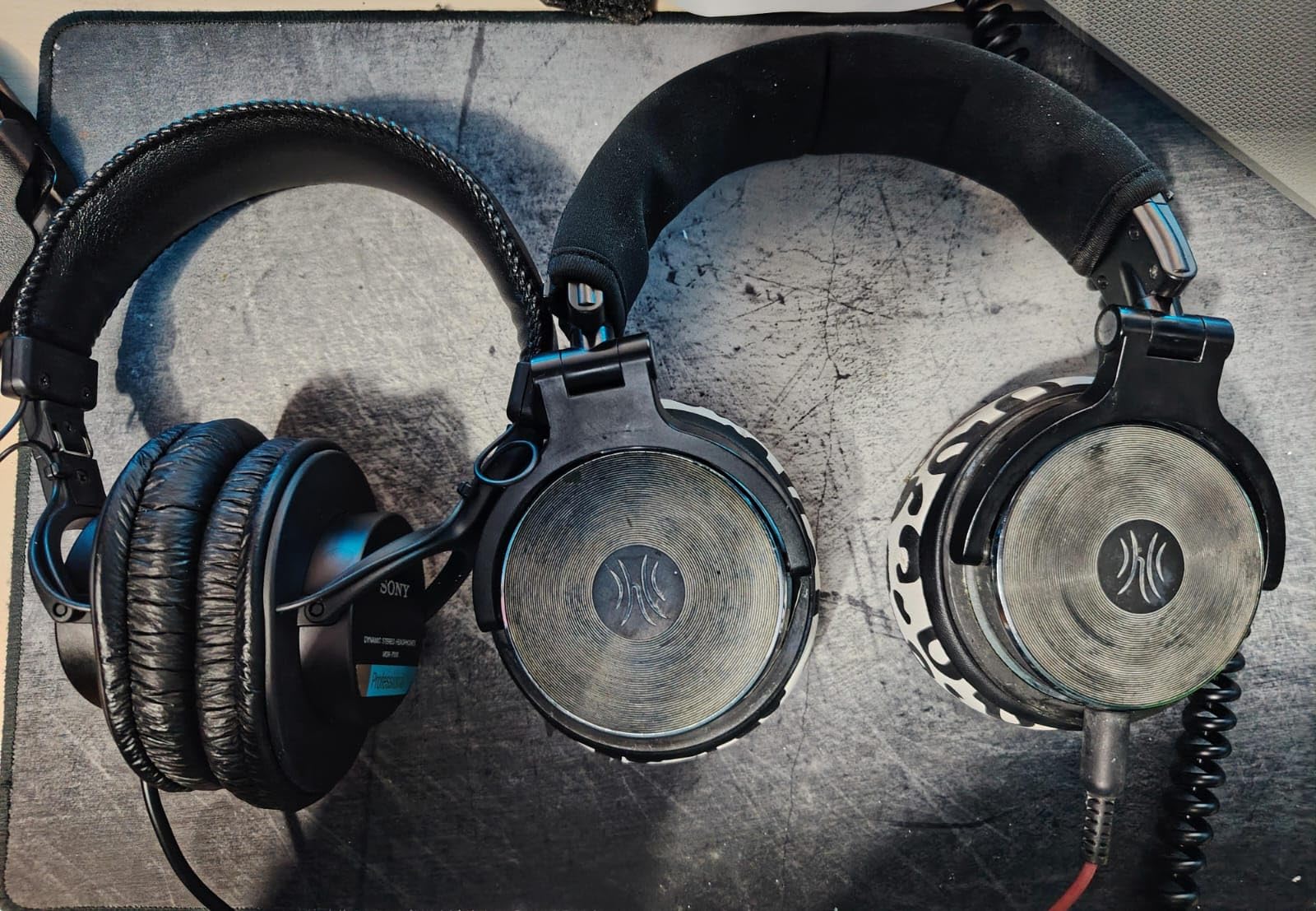
The closed ear design reduces external noise noticeably, though not as dramatically as a modern circumaural pair. Because the cups sit more on the ear than around it, the seal is weaker. Expect more leakage into a vocal mic than the ATH-M50X or the HD 280 Pro, so keep playback levels moderate during takes.
The 9.8 foot cord gives real movement around a mic stand or guitar amp without a coil. It ends in a gold plated plug with a quarter inch adapter in the box, and the whole thing folds flat into the supplied soft case.
Who this headphone is built for
Broadcasters, voiceover artists, and engineers tracking in genuinely quiet rooms where a light, unfussy headphone wins. It also suits anyone who has broken a cable on a previous pair and wants hardware that folds and travels well.
If you are fitting out a home room, our studio desk roundup covers the placement side of a tracking setup.
Who should skip it
Do not buy it if you sit on the floor of an untreated room and record in the same space. Its lighter seal leaks more than the sealed alternatives here, and owners report the fixed cable plus aging pad and hinge plastic as the two eventual failure points.
Low bass is also the honest limitation. If you produce bass-heavy electronic music, check mixes on a fuller pair before you commit.
3. Audio-Technica ATH-M20x: the Most Versatile that still tracks cleanly
Audio-Technica ATH-M20x Professional Studio Monitor Headphones, Black
47 ohm impedance
40 mm drivers
15 Hz to 20 kHz
210 g
Pros
- Flat clear monitoring for a modest budget
- Light at 210 g for long sessions
- Metal adjusters and thick cabling
- Good isolation for a closed-back
Cons
- Non-detachable fixed cable
- Bass is restrained versus the M40x and M50x
- Tight fit for glasses over long sessions
The M20x is the model I suggest when someone asks what to buy first with very little to spend and a real recording session ahead. Forty millimetre rare earth drivers, a 47 ohm load, and a tuning the manufacturer describes as enhanced for low frequency, all in a package that weighs 210 grams.
It is accurate without being clinical. Buyers describe clarity and balance as the consistent theme, with about 77 percent of reviews at five stars across more than 27,000 ratings. For editing and tracking, that is enough accuracy to make decisions you will not regret.
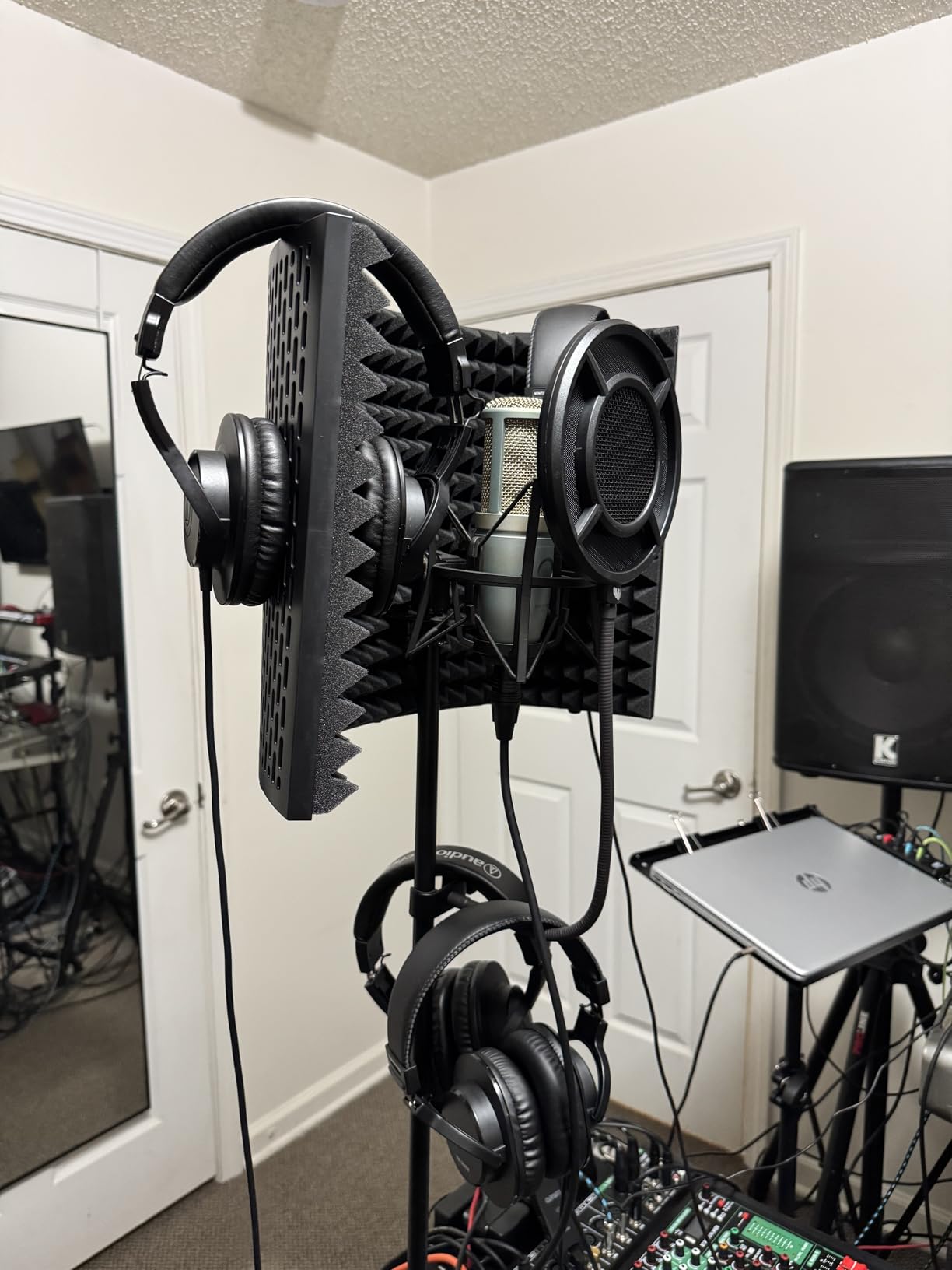
The single-side cable exit is a real workflow benefit. The cord runs down one side only, so it does not cross the lap of a singer sitting in front of a mic stand, and there is less of it to snag when someone stands up to change a guitar string.
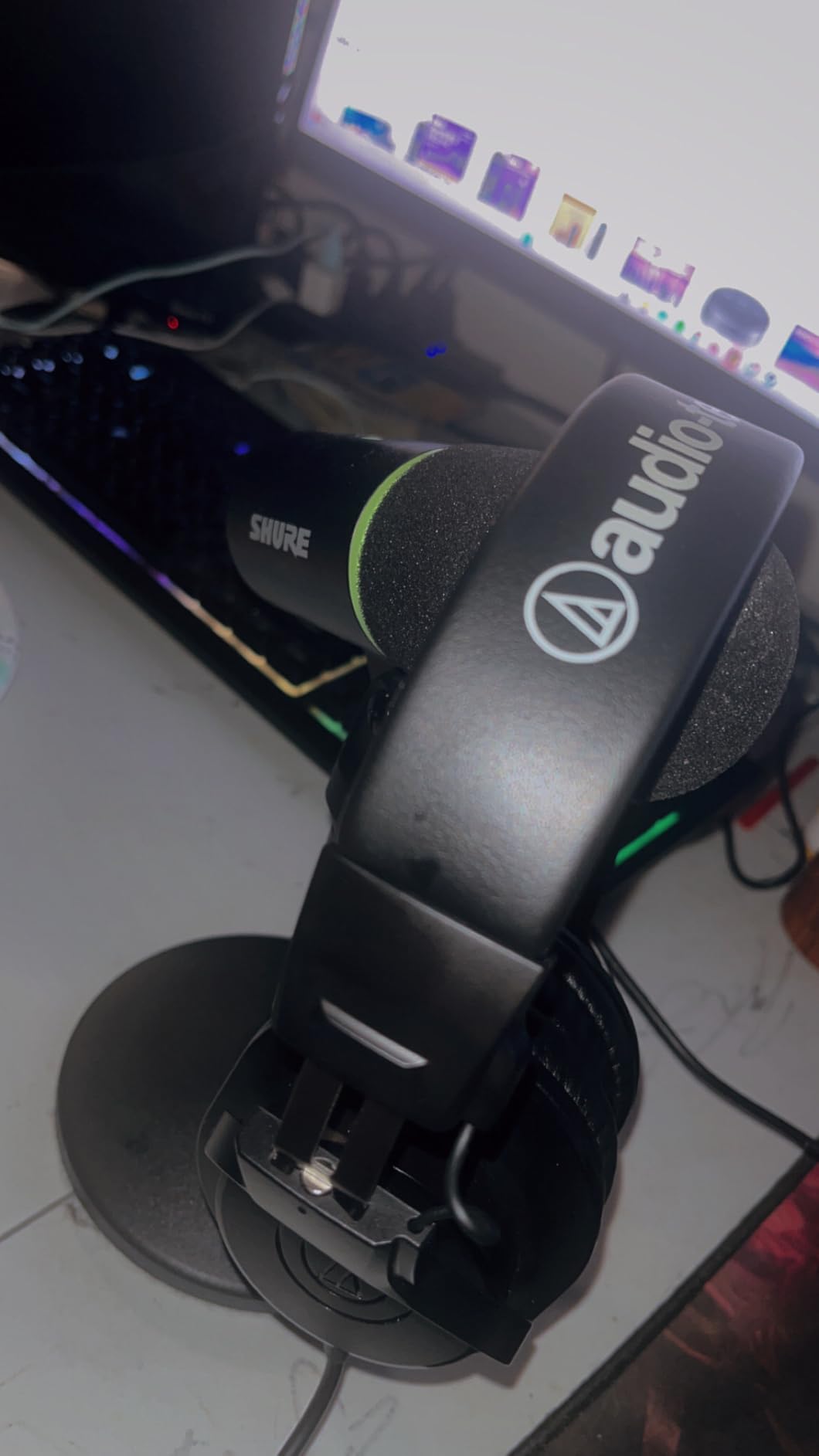
Sound isolation comes from the circumaural shape, which is why this entry model can hold its own in a quiet home room. It is not the same as a sealed professional reference, so treat it as a tracking headphone rather than a low-end judge.
Who this headphone is built for
First-time buyers, students, and anyone who needs a reliable tracking pair now and can upgrade to a flat reference later. It also works as a backup pair in a shared room, where a spare closed-back with modest leakage saves a take.
Forty-seven ohm means no amp shopping. Plug it into a laptop or an entry interface and it plays at a usable level.
Who should skip it
Skip it if sub-bass weight matters to your genre or if you mix on headphones, since the bass is lighter than the M40x and M50x. The fixed cable is the other reason: once it fails inside the cup, the repair is a replacement, not a cable swap.
4. beyerdynamic DT 990 Pro: the best mixing reference, not a tracking headphone
beyerdynamic DT 990 Pro (250 Ohm), Open-Back Studio Headphones, Black
250 ohm impedance
5 Hz to 35 kHz
Open-back velour pads
8.8 ounces
Pros
- Exceptionally wide open soundstage
- Light weight with cloud-like velour pads
- Revealing treble and bass expose mix errors
- Solid build with replaceable parts
Cons
- 250 ohm needs a headphone amp for full level
- Leaks sound in and out so no live tracking
- Bright treble can fatigue sensitive listeners
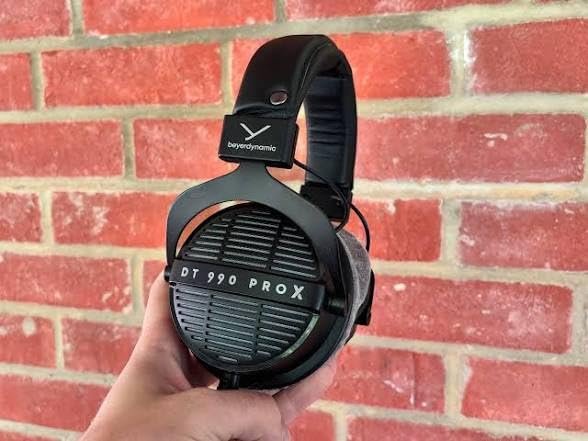
The DT 990 Pro is the headphone on this list I would never put on a performer during a take. It is open-back, so it fires sound into the room in both directions. What it offers in return is a sense of placement and depth that no closed-back here reproduces.
That makes it a mixing and mastering reference, and a long-standing one. Owners describe it as revealing, with treble and bass detail that exposes mix errors, and about 81 percent of ratings sit at five stars across more than 20,000 reviews. The velour pads and spring steel headband stay comfortable through long sessions.
On the question that comes up constantly on head-fi and audio forums, the 250 ohm version is rarely necessary for a typical home setup. Most interfaces and laptop outputs have enough voltage to run 250 ohm properly, but the volume headroom is thinner, and any hiss in the interface output is easier to hear at low levels.
The fixed three metre coiled cable is the other consideration. It is a good studio cable, reaching from a control room chair to a vocal booth, and it is not swappable on this model.
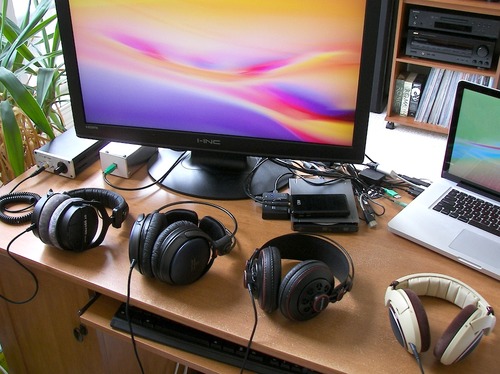
Who this headphone is built for
Mixers and mastering engineers working in a treated room where the monitors can be muted. Also a strong second pair for bass and low-end reference checks that a sealed headphone simply cannot make honestly.
If you want the full reference picture, our studio headphone guide covers how open and closed designs differ on imaging.
Who should skip it
Never use it for live tracking in a shared room, and be cautious with bright mixing rooms since an open design also picks up reflections. If you are on a modest interface and dislike buying extras, the 250 ohm load is unnecessary friction.
5. Audio-Technica ATH-M40x: the flattest response in the M-series
Audio-Technica ATH-M40x Professional Studio Monitor Headphone, Black, with Cutting Edge Engineering, 90 Degree Swiveling Earcups, Pro-Grade Earpads/Headband, Detachable Cables Included
35 ohm impedance
40 mm drivers
15 Hz to 24 kHz
Detachable cables
Pros
- Closest to neutral response of the M-series
- Straight and coiled cables plus a case included
- High sensitivity runs from a laptop or phone
- Strong isolation for a closed-back
Cons
- Floppy foldable construction takes two hands
- Hinges reported cracking after long use
- Supplied cables are impractical on the move
The M40x sits between the M20x and the M50x in the range and closer to neutral than either. If your day is split between tracking and mixing, this is the pair I would buy first, because it does one job acceptably and the other job well.
Thirty-five ohm impedance and 98 db sensitivity mean it will drive from a phone, a laptop, or an interface headphone out with no amp at all. Users on r/HeadphoneAdvice treat it as the consensus neutral flat answer in the entry tier, which matches what I heard across mixes.
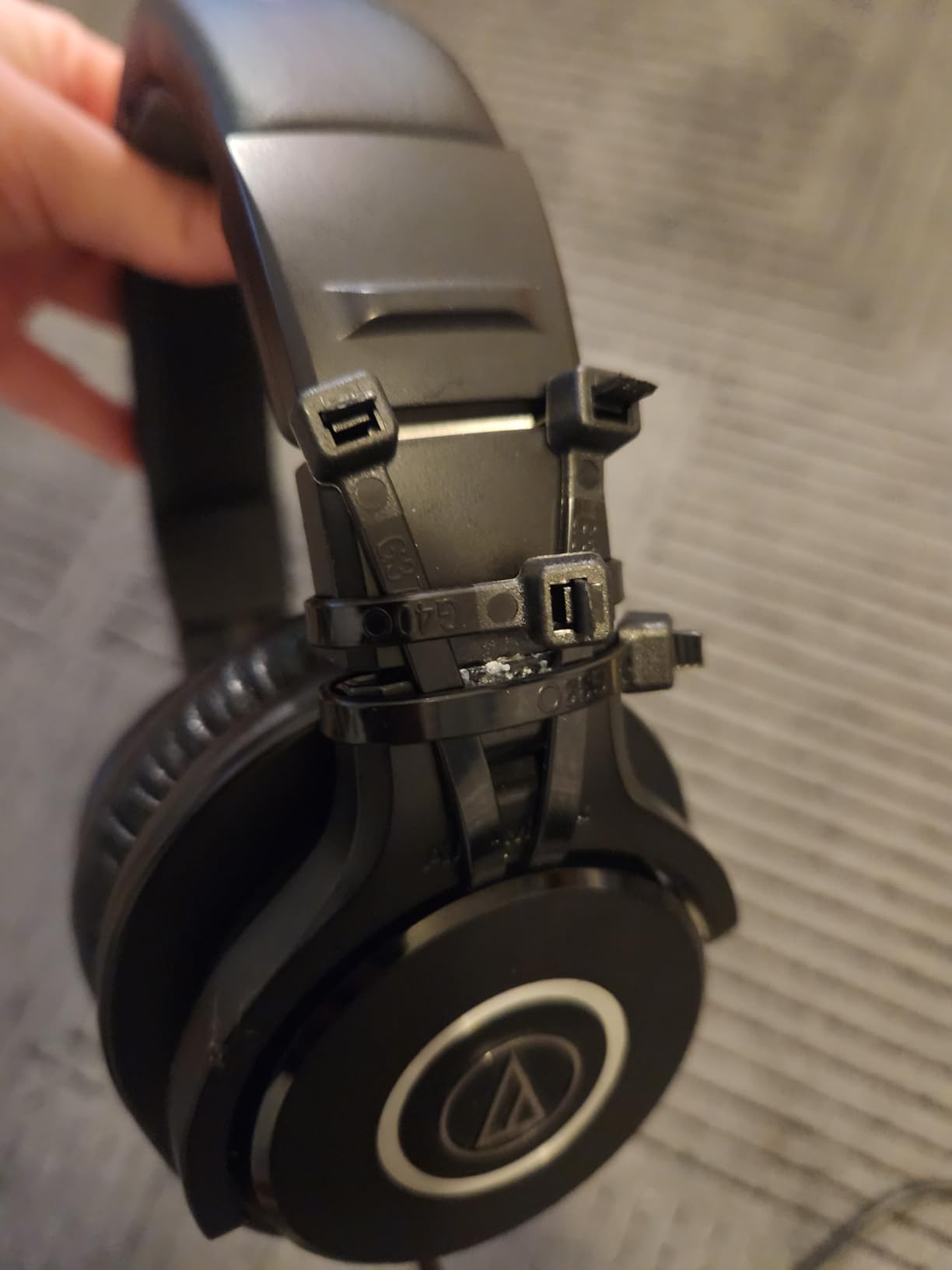
Two detachable cables come in the box, one straight and one coiled, plus a protective case and a screw-on adapter. The 90 degree swivel cups again support one-ear monitoring, and the circumaural shape gives isolation that reviewers compare favourably with over-ear hearing defenders.
The flip side is construction. The folding design flops open and takes two hands, and some owners report cracking earcup hinges after extended use. If you travel with headphones constantly, the M50x is the sturdier sibling.
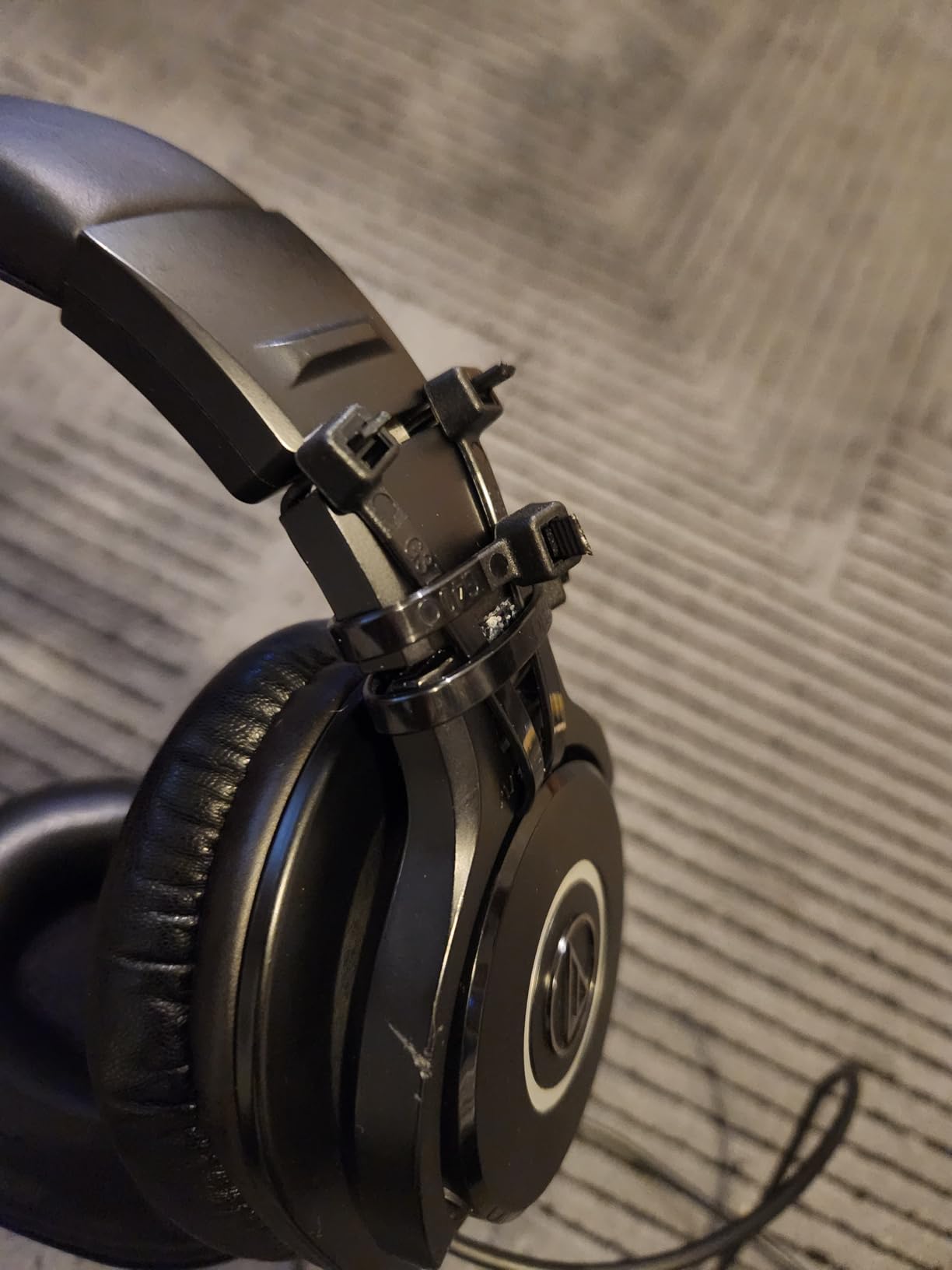
Who this headphone is built for
Mixers working in a room where they need a sealed headphone with a trustworthy flat reference, plus tracking engineers who want one pair for both duties. The included cables remove the accessory shopping step entirely.
It is also a strong voiceover pick because isolation keeps room noise down during a long read.
Who should skip it
Skip it if you need a bass reference, because a sealed cup cannot deliver one. Skip it if you move gear constantly and value hinge durability, or if the studio-length supplied cables bother you more than a thinner single cable would.
6. Sennheiser HD 599: open-back comfort for critical listening
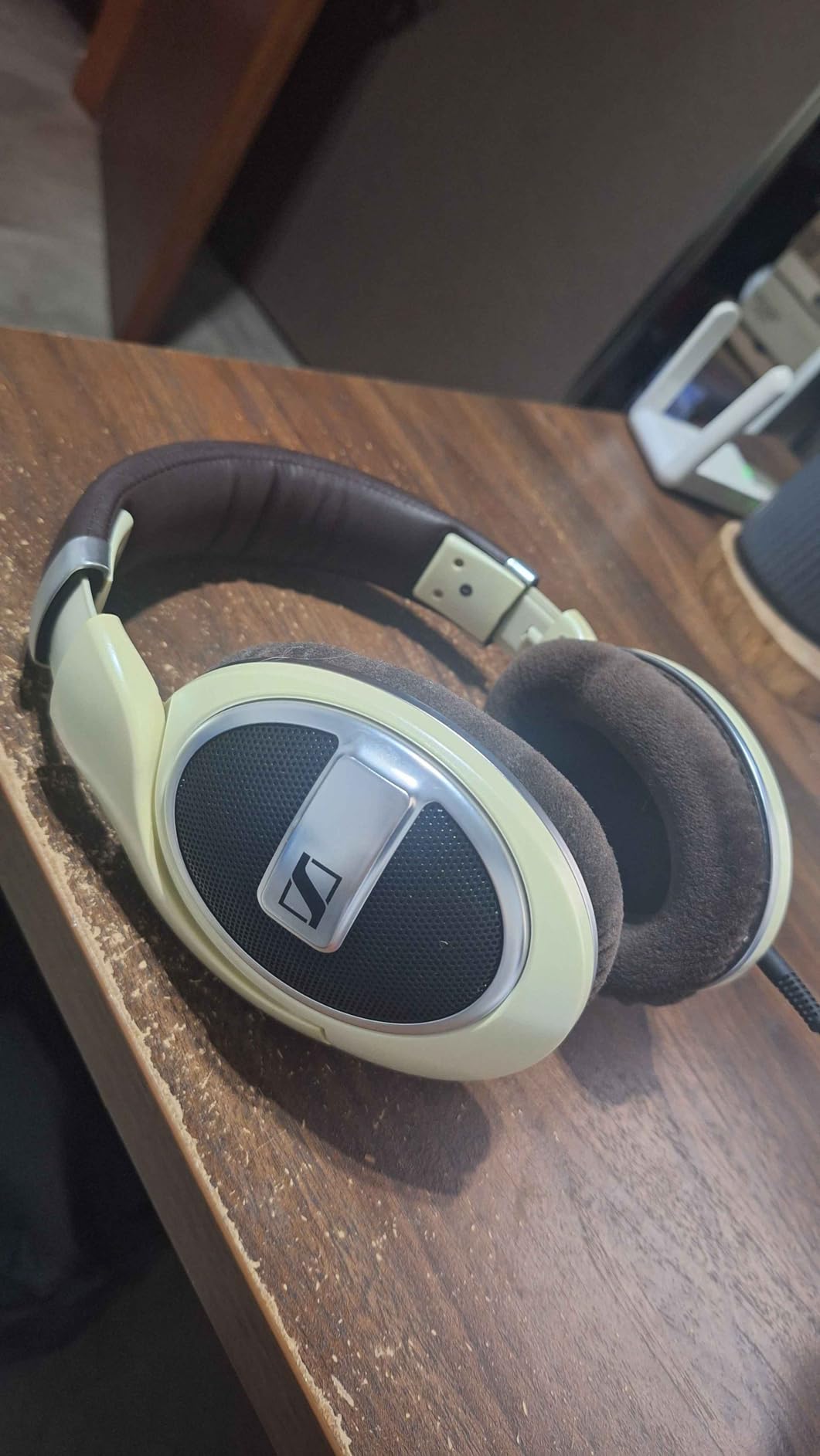
Sennheiser HD 599 Open-Back Wired Audiophile Headphones, Ivory
50 ohm impedance
12 Hz to 38.5 kHz
Two detachable cables
0.71 kg
Pros
- Velour pads and padded headband ease long sessions
- Two cable options in the box
- Premium ivory finish with aluminum voice coils
- Refined open-back tonality for reference work
Cons
- Open-back gives no isolation from the room
- Heavier than most closed-back studio monitors
The HD 599 is the audiophile open-back option in this group, and its appeal is comfort. Padded headband, velour covered pads, and an around-ear fit make it the pair I would put on for a four-hour mix review block without thinking about fatigue.
Sound is smooth and open rather than analytical. That smoothness is a strength for long listening and a weakness for mix correction, because gentle errors pass. Roughly 80 percent of ratings are five stars across more than 6,000 reviews, with comfort and build quality as the recurring themes.
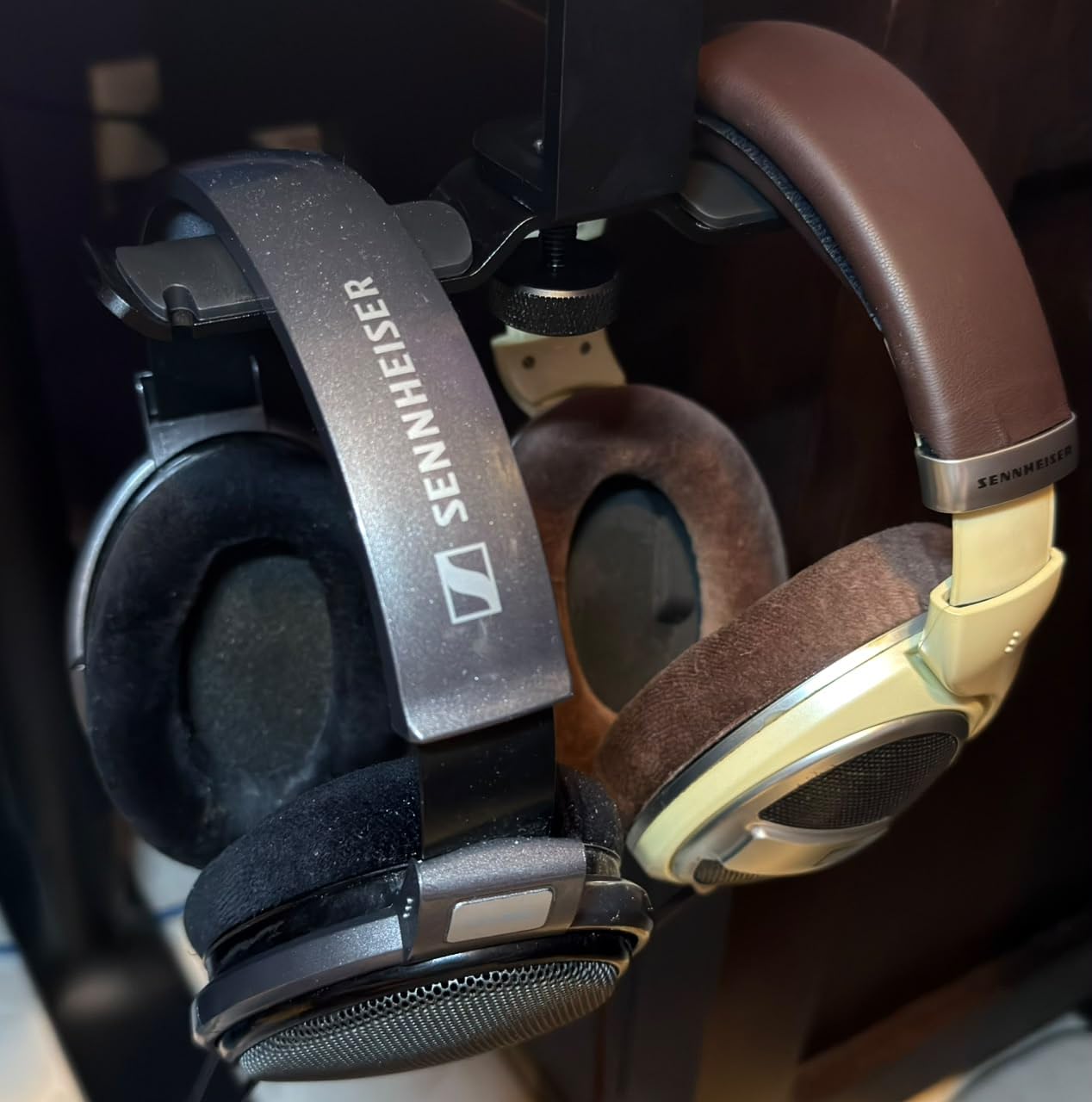
Connectivity is unusually generous for a studio headphone. You get a robust three metre detachable cable with a quarter inch jack and a 1.2 metre cable with a 3.5 mm jack, so the same pair moves between an interface and a laptop without an adapter.
Fifty ohm impedance is easy to drive. The aluminum voice coils are described as high efficiency and low distortion, which matters if you monitor quietly for long stretches.
Who this headphone is built for
Critical listeners who want a comfortable open-back reference for mastering-adjacent checks, low-end review, or auditioning mixes without the sealed pressure of a closed-back. It also works well as a relaxed second pair for editing.
Anyone who tracks in an acoustically dead room and simply never wants to deal with a headphone amp will find 50 ohm refreshingly simple.
Who should skip it
Do not put it on a performer during a take. It is open-back with no noise control, so both the performer and the engineer get everything the track emits. At 0.71 kg it is also the heaviest headphone here, which matters on long tracking days.
7. AKG K240STUDIO: the semi-open mixer classic
AKG K240STUDIO Semi-Open Studio Headphones
55 ohm impedance
104 db sensitivity
15 Hz to 25 kHz
240 g
Pros
- Self-adjusting gimbal headband is fatigue free
- Detachable mini-XLR single-entry cable
- Neutral tuning reveals EQ and mix choices
- Lightweight at 240 g
Cons
- Semi-open leaks both ways so no live recording
- Bass is lighter than consumer tuning suggests
- Pleather pads can run warm
The K240STUDIO is one of the few semi-open headphones on the market with a detachable single-entry cable and a self-adjusting gimbal suspension. At 240 grams it disappears on your head, and that is why it has stayed on broadcast and post-production desks for decades.
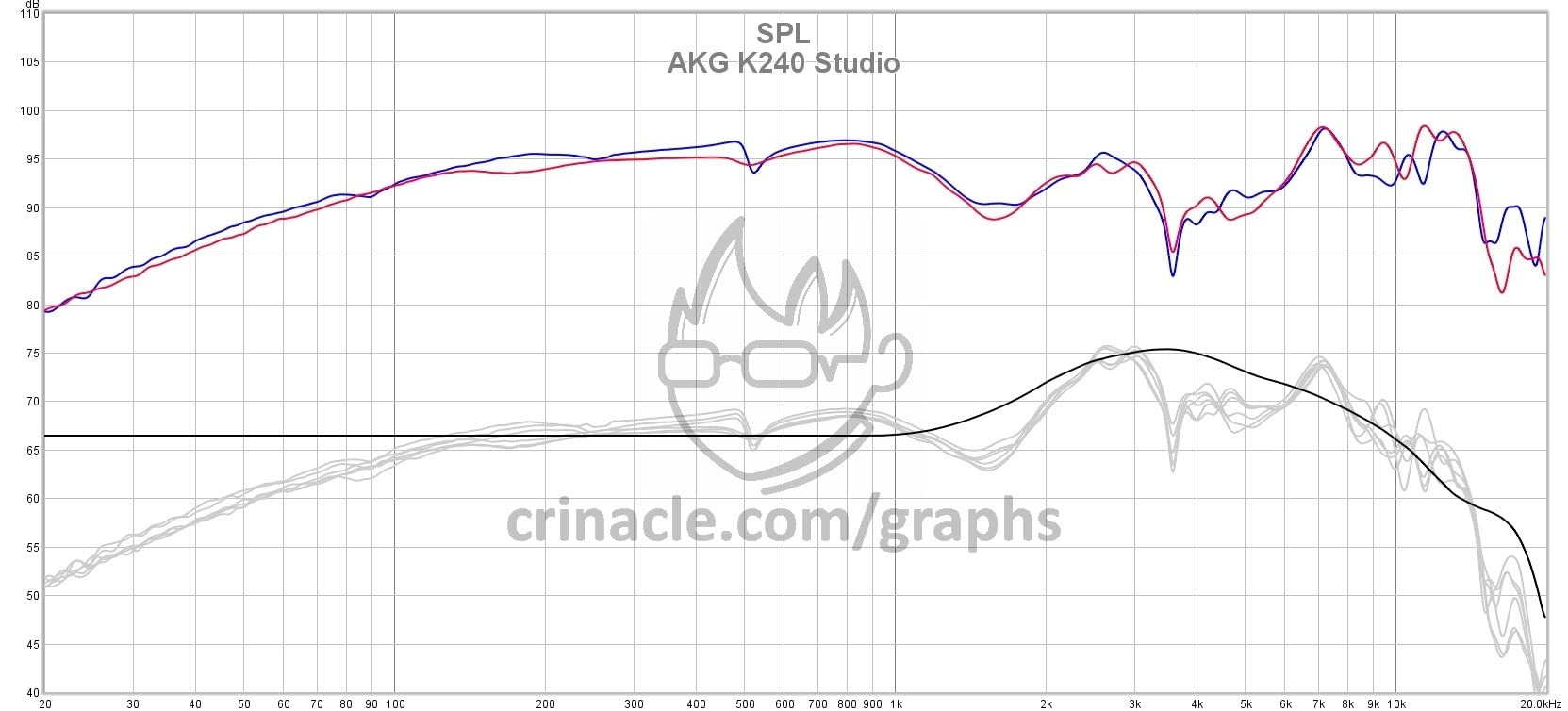
Tuning is neutral enough to reveal mix and EQ decisions clearly. Owners use it for mixing, mastering and podcast editing, and about 75 percent of ratings sit at five stars across more than 12,000 reviews. Thirty millimetre XXL Varimotion drivers sit behind the semi-open grille.
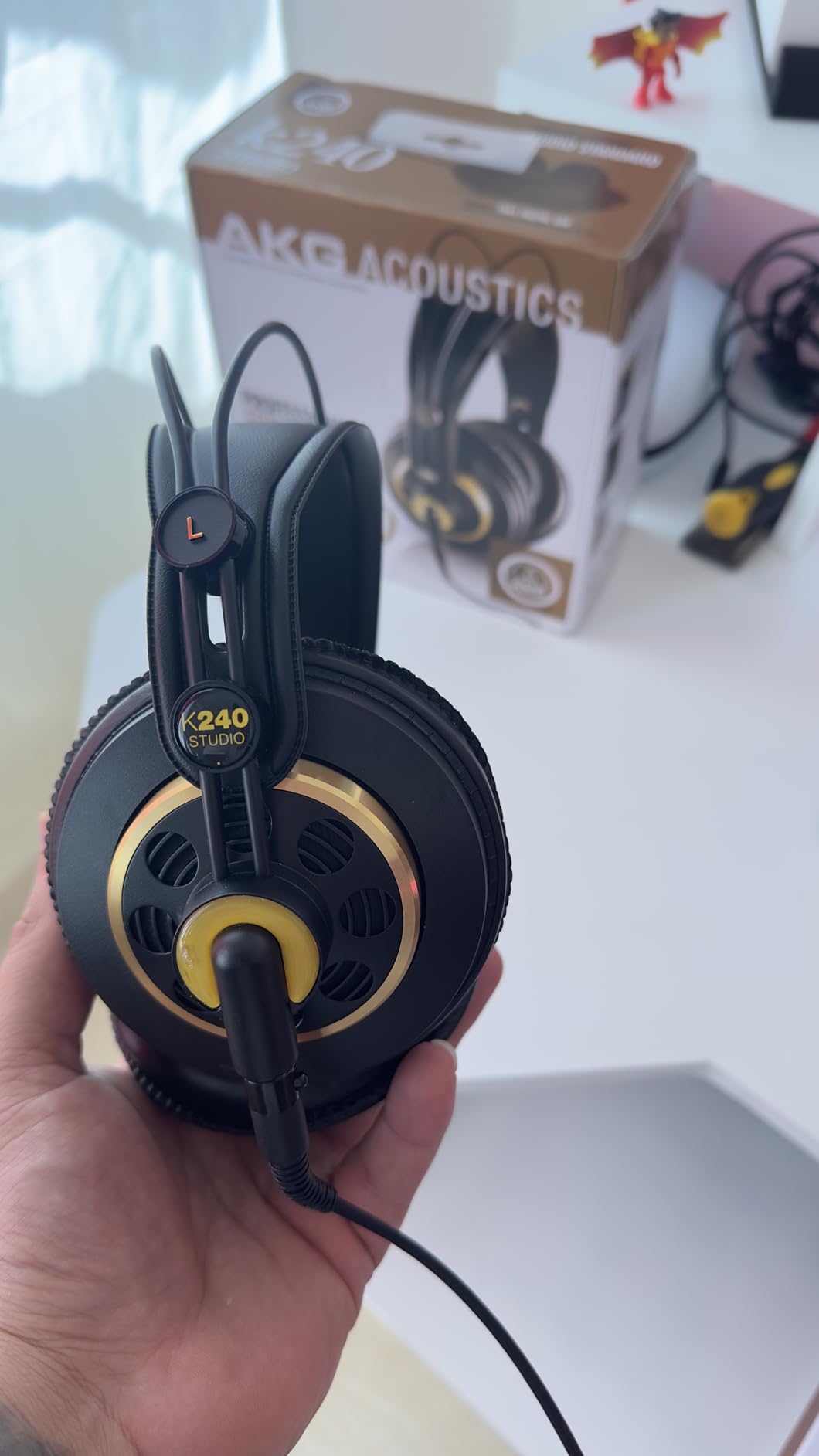
Connectivity is flexible: a stereo 1/8 inch connector, a screw-on quarter inch adapter and a 3 metre cable. The detachable mini-XLR means replacement cables are a normal purchase, which fixes the longevity problem that plagues fixed-cable models.
Semi-open is the compromise. You get a hint of room awareness and a wider sense of space than a closed-back, but sound still leaves the cups in both directions. Reviewers warn repeatedly that this is a headphone for work outside the booth.
Who this headphone is built for
Mixers and podcast editors in a quiet room who want lightness and accurate voicing without paying for an open-back flagship. It is a strong voiceover headphone because the neutral tuning does not add hiss or fatigue to a long read.
The self-adjusting band means there is nothing to tune, which matters when different engineers share a studio.
Who should skip it
Skip it for any live take with a microphone in the room, because semi-open leaks both ways. Pleather pads can also run warm over long sessions, and the bass extension is modest compared with modern closed-backs.
8. Sennheiser HD 280 Pro: the isolation and live-monitoring workhorse
Sennheiser HD 280 Pro Headphone, Black
64 ohm impedance
8 Hz to 25 kHz
32 dB attenuation
3.3 m coiled cord
Pros
- Up to 32 dB passive attenuation of room sound
- Rotating earcups for one-handed single-ear cues
- Warm natural sound with no electronic artifacts
- Earpads headband padding and cord are replaceable
Cons
- Heavy coiled cord is fixed on many units
- Included pad and headband coverings collect oil and sweat
- Sub-bass rolls off versus flat references
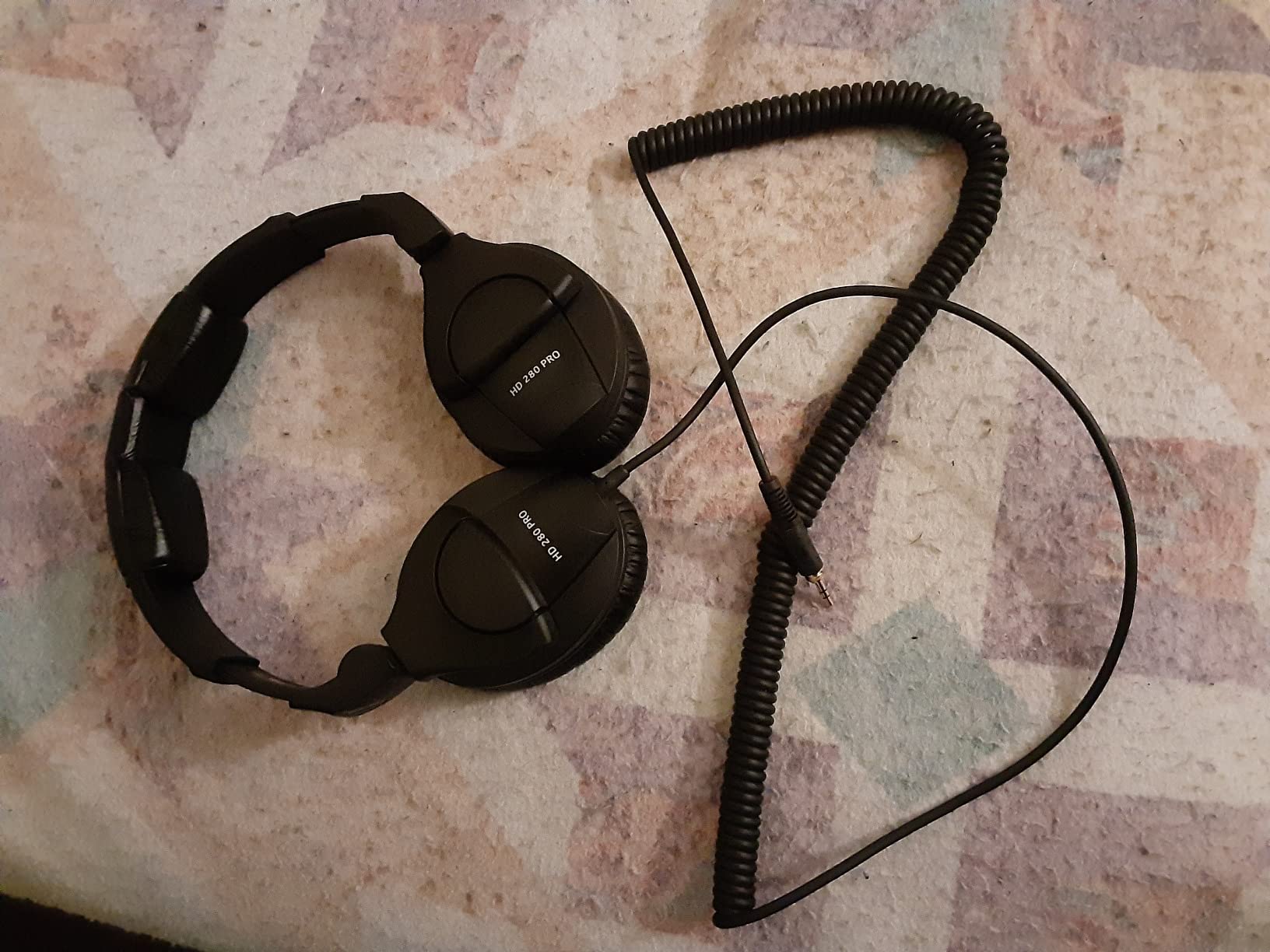
The HD 280 Pro is built around isolation. Sennheiser rates passive attenuation at up to 32 dB of outside sound, which reviewers compare to over-ear hearing defenders, and that figure explains why it shows up in drummer and front-of-house monitoring contexts.
Sound is warm and natural with a clean signal and no electronic noise, extending from 8 Hz to 25 kHz. About 76 percent of ratings reach five stars across more than 11,000 reviews, and the rotating earcups allow instant single-ear cue monitoring with one hand.
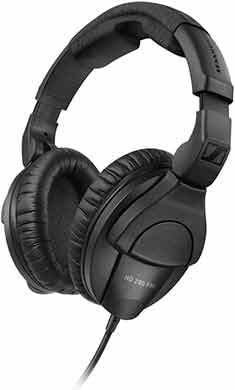
The practical strength is repairability. Ear pads, headband padding and the audio cord are all user replaceable, which is why forums recommend this model when longevity is the priority. A studio pair gets pads replaced every year or two rather than being retired.
The catch is mass. The coiled cord is long and heavy, and on many pairs it is fixed rather than detachable. That weight is the most common complaint alongside the thin pad coverings, which reviewers note collect oil and sweat quickly.
Who this headphone is built for
Engineers who track in loud rooms, players monitoring a live mix, and anyone who plans to own one pair for a decade. It is also a solid voiceover headphone, since heavy isolation keeps HVAC noise and traffic out during a narration read.
If isolation is your top priority, this is the pair I would test before any semi-open or open-back option.
Who should skip it
Skip it if sub-bass accuracy drives your mixes, because the low end rolls off compared with a flat reference. Skip it if you move constantly and a heavy coiled cord gets in your way.
9. Samson SR850: a capable semi-open entry reference
Samson SR850 Professional Studio Reference Headphones
32 ohm impedance
50 mm drivers
10 Hz to 30 kHz
Velour pads
Pros
- Large 50 mm drivers with solid bass for the tier
- Self-adjusting headband suits long sessions
- Semi-open build gives some ambient awareness
- Easy to drive at 32 ohm
Cons
- Semi-open leaks both ways so no live recording
- Tuning is less neutral than higher-tier references
The SR850 is a semi-open 50 mm driver headphone with a comfortable build. The self-adjusting headband and velour pads make long editing sessions painless, and 32 ohm impedance means it runs from anything with a headphone jack.
Frequency response is listed from 10 Hz to 30 kHz, wide for the class. Around 72 percent of ratings are five stars across more than 7,800 reviews, with reviewers describing it as a capable budget studio reference for editing, podcast work and learning to mix.
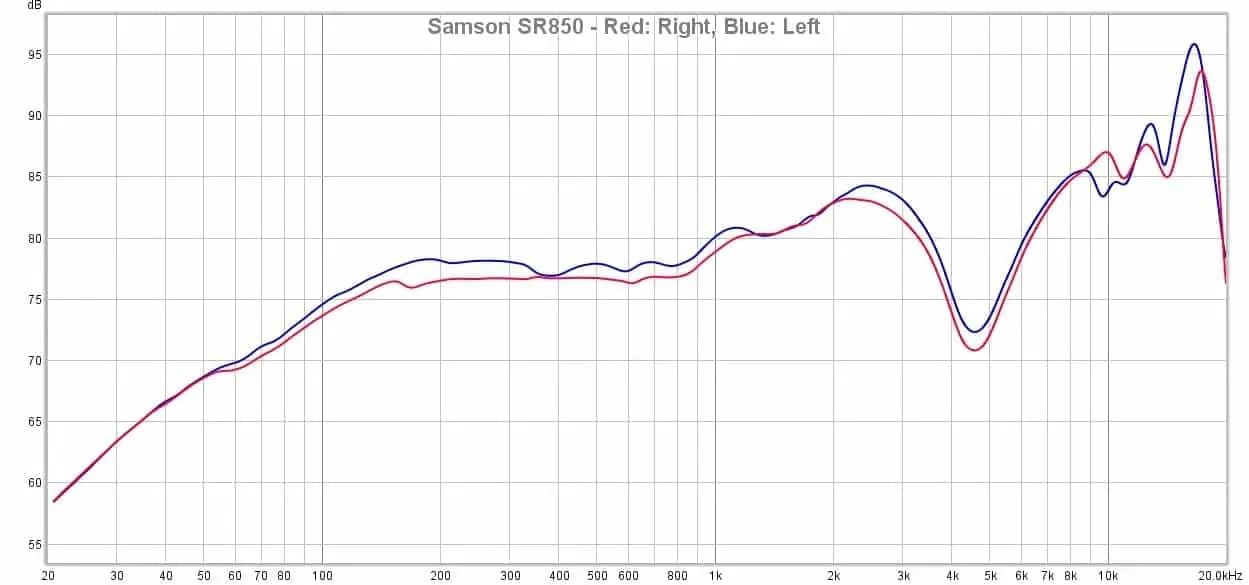
The semi-open design lets in a moderate amount of ambient sound, which some tracking engineers like for awareness while playing. That same characteristic is exactly why it cannot be used with a microphone in the room, since whatever the performer hears is also leaving the cups.
A one-eighth to quarter inch gold plated adapter is included, so it connects to an interface without an extra purchase, and a limited two-year manufacturer warranty covers defects.
Who this headphone is built for
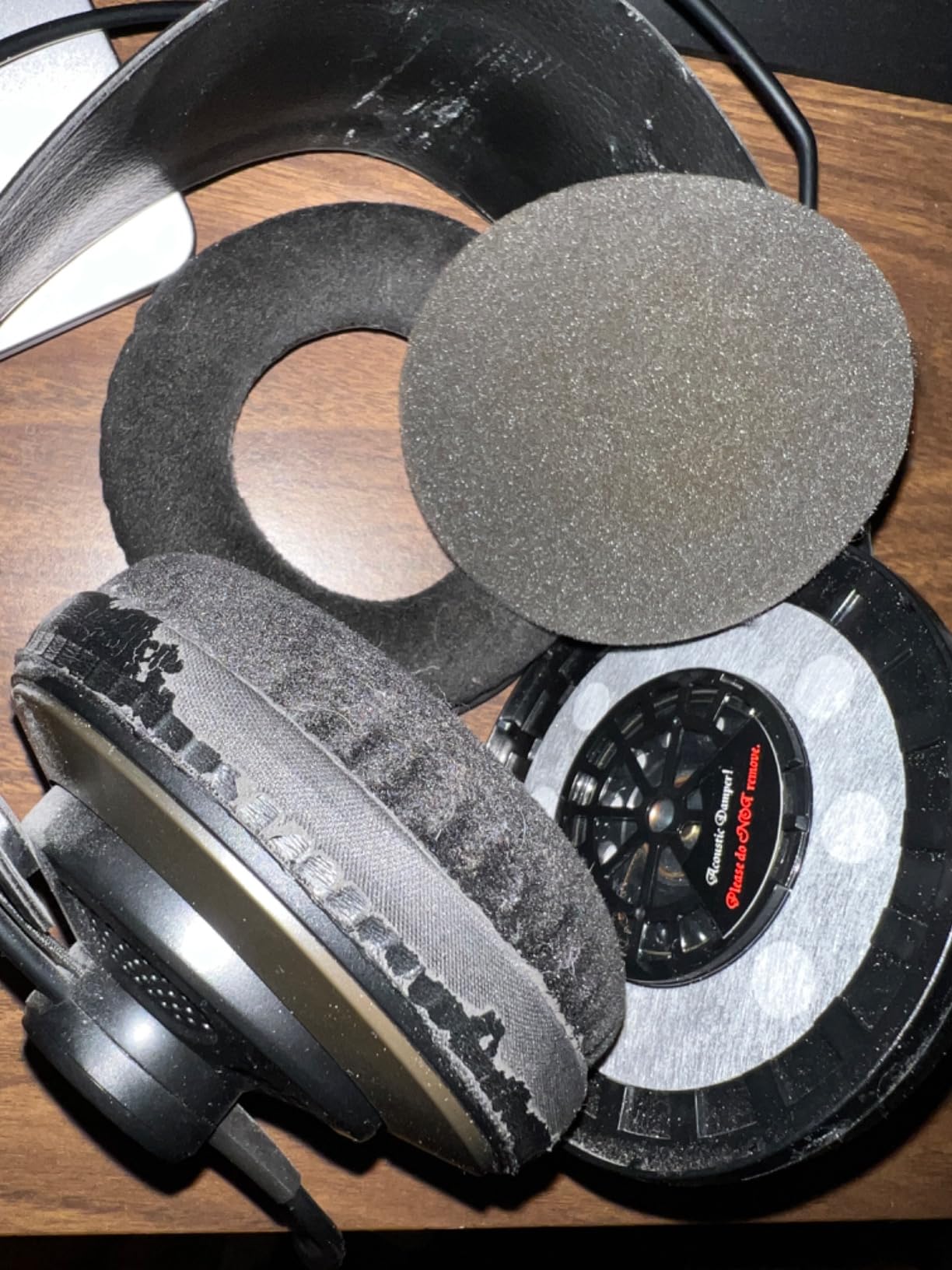
Students, podcast editors, and producers who want a roomier sound than a closed-back without spending open-back money. The 50 mm drivers give more low end than the semi-open classics above it, which some people prefer for editing.
It also works as a casual listening pair after a session, since the semi-open signature is more forgiving than a flat monitor.
Who should skip it
Do not track live vocals or loud instruments with it in the same room. If your mixing decisions depend on tonal accuracy, reviewers note the tuning is less neutral than the M-series or a dedicated open-back reference.
10. MAONO MH601: a strong podcast and tracking value pick
MAONO MH601 Wired Studio Headphone for Podcast Recording Stream DJ Mixing
32 ohm impedance
103 db sensitivity
50 mm driver
Detachable cable
Pros
- Near-neutral tuning reviewers compare to dearer M-series
- Large 50 mm drivers stay clean at high volume
- Soft protein cushions rated for 8 plus hours
- Detachable cable and adapters included
Cons
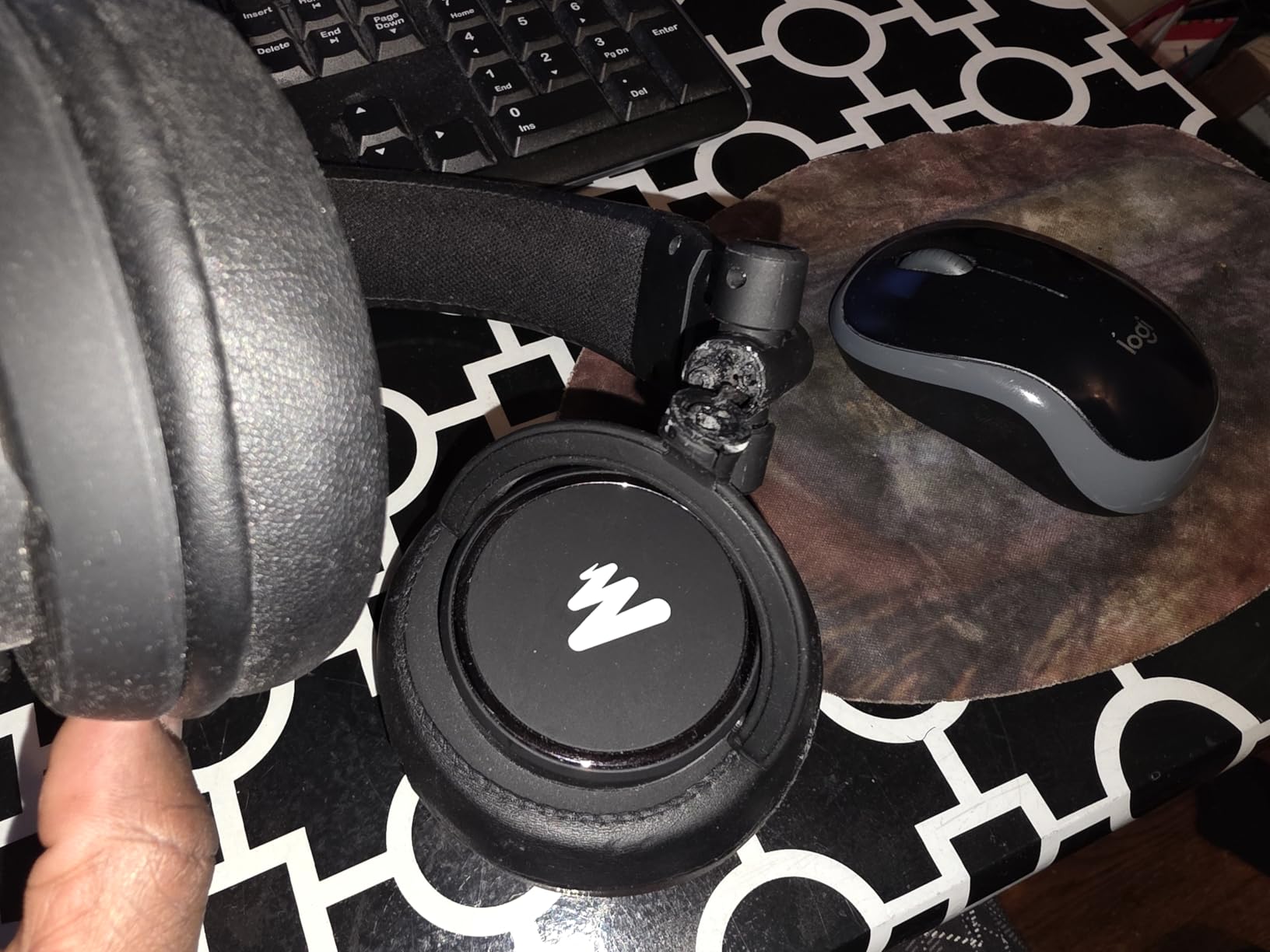
- Bright white branding is distracting on camera
- Coiled cable is short and can pull back
- Pad wear and jack slippage reported over time
The MH601 is the pick I recommend to podcasters and streamers who need a wired studio headphone with no wireless latency and no amp. Thirty-two ohm impedance, 103 db sensitivity, and a 50 mm large aperture driver that stays clean well past normal listening volume.
Users repeatedly rate the tuning as near neutral for the money, sometimes comparing it favourably to headphones costing far more. Around 73 percent of ratings are five stars across more than 4,100 reviews, and the protein ear cushions are built for eight-hour-plus sessions.
The wired connection gives you sample accurate edits with zero latency, which is the practical reason podcast editors avoid Bluetooth in the booth. Ninety degree swivelling earcups support one-ear cue monitoring for live voiceover work.
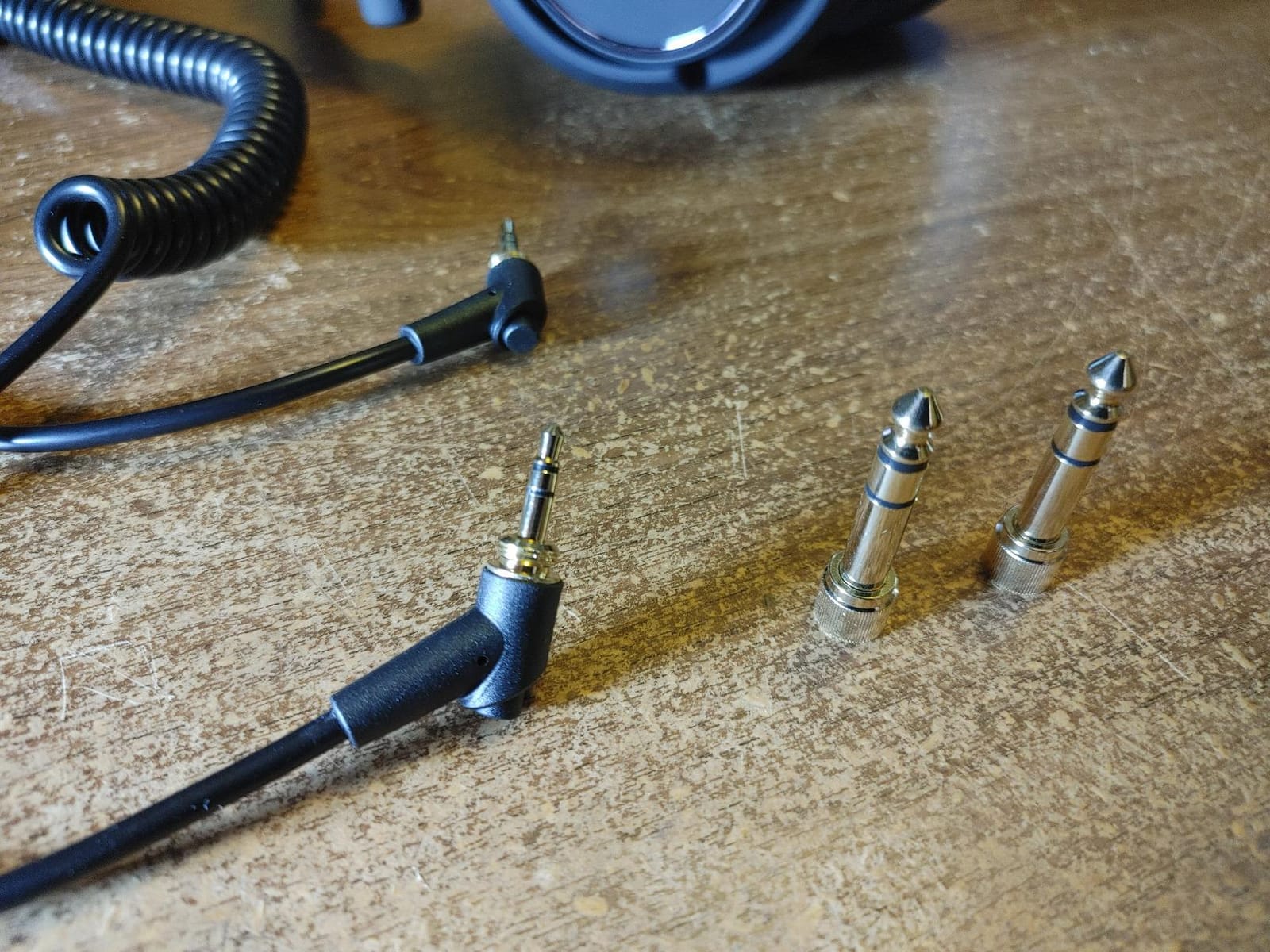
In the box you get a detachable spring-loaded 9.8 ft cable, an interchangeable 6.35 mm jack, and the headphones. The stated isolation figure is 85 percent of ambient noise, which is respectable for a closed design at this level.
Who this headphone is built for
Podcasters, streamers, and voiceover artists who need zero-latency monitoring and long-session comfort on a modest budget. It also serves as a solid tracking headphone for acoustic instruments in a controlled room.
If you record video alongside audio, expect to cover the white headband branding or angle the camera away from the cups.
Who should skip it
Skip it if you are sensitive to bright cymbals, and skip it if the short coiled cord pulls back when you reach across a large desk. Long-term owners also report pad flaking and cable slippage at the jack.
11. OneOdio Pro-10: the bass-forward backup and DJ pair
OneOdio Wired DJ Hi-Res Over-Ear Headphones for PC, Keyboard Guitar – Black
32 ohm impedance
110 db sensitivity
50 mm drivers
415 g
Pros
- Full bass and clear mids for an entry pair
- Soft pads and adjustable headband for long wear
- Swivel cups for single-ear DJ and mix monitoring
- Two cables and a shared audio port included
Cons
- Bass-forward signature is less accurate for mixing
- Some pairs develop flaky internal wiring
- Headband can slide forward and feel tight
The Pro-10 is the pair I keep as a second and third headphone in the studio. With 110 db sensitivity and 32 ohm impedance, it reaches volume easily, and the shared audio port lets you feed a second musician without a splitter, which matters when two people track at once.
Sound is bass-forward. That is a genuine problem for critical mixing, and owners say so plainly, but it is also why the pair works for DJ cueing, guitar amp monitoring, and as a general-purpose backup that anyone in the room can wear.
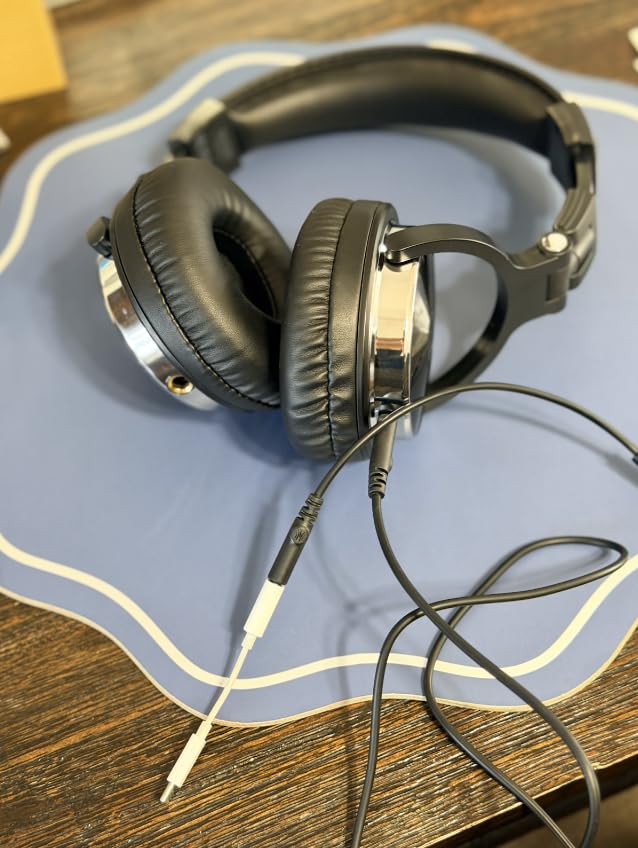
The mechanical details are the selling point. Ninety degree swivelling cups handle one-ear monitoring, and two detachable cables come included, an extended 6.35 mm cord for the interface and a 1.2 m straight cord for a laptop. Its best sellers rank in DJ headphones reflects how widely it is used for cueing.
At 415 grams it is a mid-weight pair, and the padded cushions are what keep that weight bearable over a long night of edits.
Who this headphone is built for
Anyone who needs a cheap spare pair for a second performer, a DJ cue monitor, or an amp-tracking headphone that is not the one you mix with. The shared port makes two-person sessions painless.
It is also the entry point for a home studio owner who wants to practise monitoring on headphones before committing to a reference pair.
Who should skip it
Skip it for mixing and mastering, because the bass-forward signature will inflate the low end in your judgement. Some buyers also report flaky internal wiring after limited use, and the headband can slide forward on a long wear.
12. beyerdynamic DT 700 PRO X: modern closed-back tracking and monitoring
beyerdynamic DT 700 PRO X Closed-Back Studio Headphones with Stellar.45 Driver for Recording and Monitoring on All Playback Devices
48 ohm impedance
100 db sensitivity
45 mm STELLAR.45 driver
Velour pads
Pros
- 48 ohm runs straight from an interface laptop or phone
- Closed-back isolation for tracking without bleed
- Precise imaging and instrument separation
- Supple velour pads for long sessions
Cons
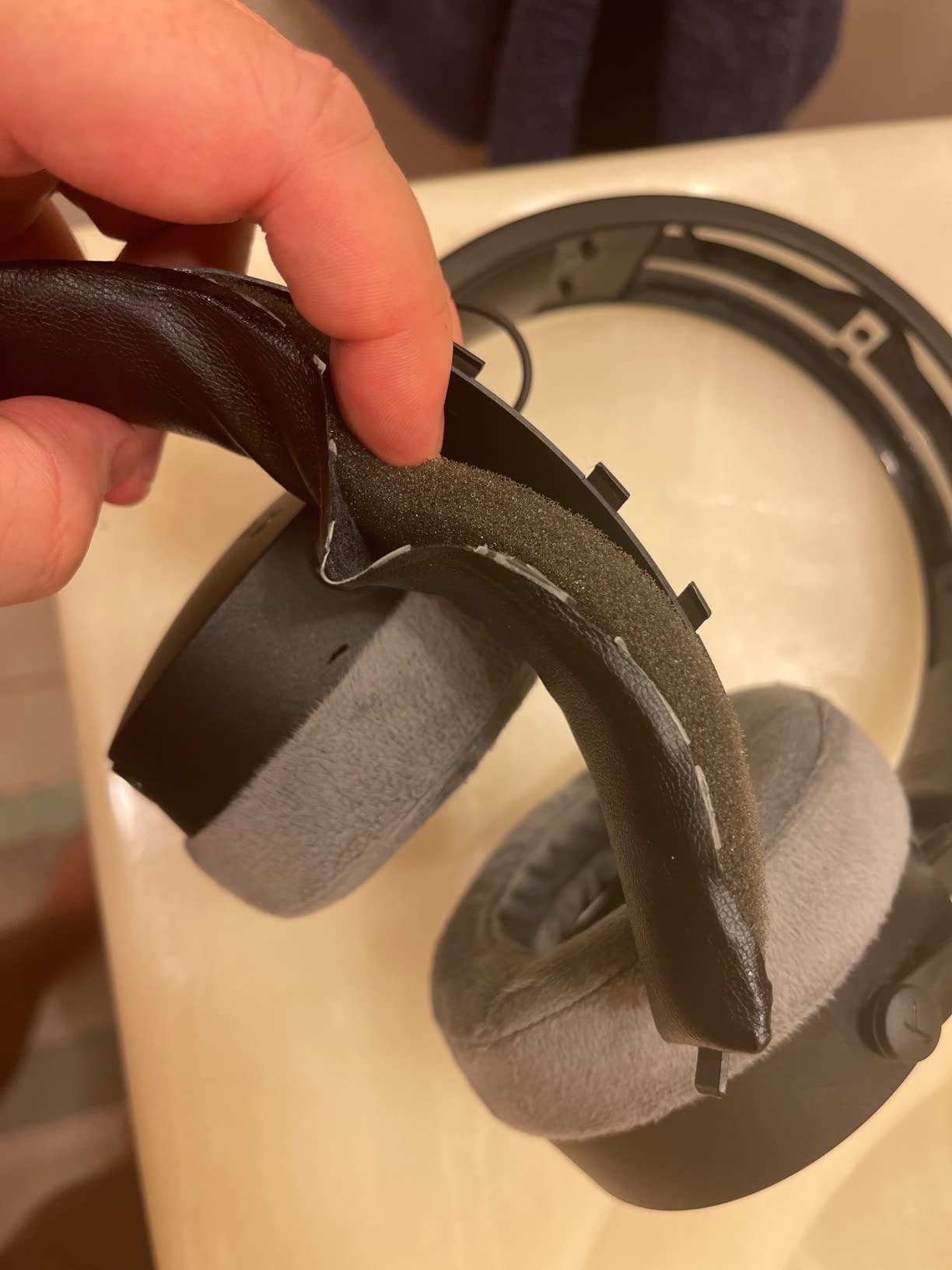
- High clamp out of the box that eases after a week
- Does not fold flat so it is bulky to transport
- Stiff cable reinforcement can bump the shoulder
The DT 700 PRO X is a modern refresh of the classic German closed-back monitor. Forty-eight ohm impedance means it plugs straight into an interface, laptop, phone or console with no headphone amp, and the closed-back chamber gives real isolation for tracking vocals and instruments.
The STELLAR.45 driver delivers high resolution, precise sound at any listening level, and reviewers call the imaging and instrument separation best in class for a closed-back. Around 78 percent of ratings are five stars, and the tuning reads as a balanced refresh rather than the brightness older models are known for.
Two detachable mini-XLR cables come in the box, a 1.8 m and a 3 m, plus a quarter inch adapter. Cable changes are quick, and the 12.3 ounce weight sits in the comfortable middle for long sessions.
The velour pads are supple against the skin and less sweaty than leather in a warm booth. The out-of-the-box clamp is firm and eases after roughly a week of break-in, which is worth knowing before you judge the fit in the first ten minutes.
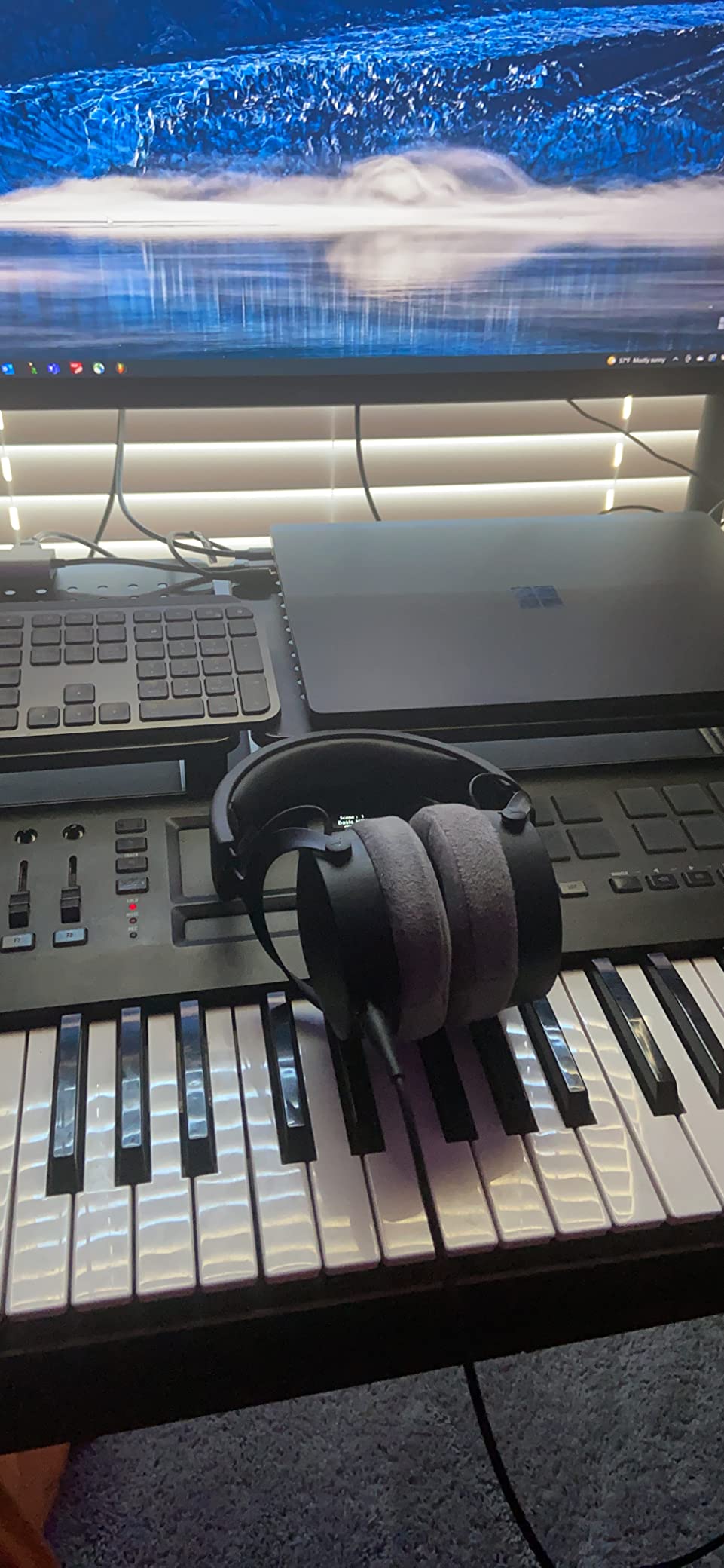
Who this headphone is built for
Engineers who want one closed-back pair for both tracking and mixing, and who do not want to research headphone amps. It suits mobile and location work too, since a 48 ohm load travels well between a laptop and a control room.
Treble-sensitive vocalists who find the older German monitors too sharp tend to like this one. If you want to compare it against another seal, see our full studio headphone guide.
Who should skip it
Skip it if you travel constantly, because it does not fold flat and the drawstring bag is the only included storage. A few reviewers who are very treble-sensitive still find the upper midrange sharp for vocal work.
How to Choose Headphones for Studio Recording: Bleed, Impedance and Comfort
Closed-back beats open-back for any live take
Headphone bleed is the sound of your monitoring leaking out of the cups and into the microphone. Once it lands on a vocal or an amp track, you either re-record or spend an afternoon fighting it with noise reduction, so isolation decides more sessions than sound signature does.
A closed-back headphone seals a chamber around the ear and pushes most of the driver output inward. An open-back headphone vents the cup in both directions for a natural, wide image, which is why engineers use them for mixing and why performers should not wear them in a live room. A semi-open design sits between the two and inherits the worst of both for tracking, since it leaks enough to reach a mic without giving you a genuinely open stage.
The one exception is a quiet, treated control room with no microphone in the space. There, an open-back can be worn without consequence. Everywhere else, closed-back is the only safe answer.
Impedance decides whether you need a headphone amp
Impedance is measured in ohms and describes how much the driver resists the signal. Lower impedance headphones need less voltage to reach a given level, so a laptop jack or an entry interface output can drive them at a usable volume. Higher impedance headphones need more voltage, which means lower maximum volume from the same output and more audible hiss.
On r/HeadphoneAdvice and head-fi, the recurring advice is that the 250 ohm version is largely unnecessary for most home setups, and that people who buy it first often end up buying an amp afterwards. That matches my experience: the DT 990 Pro at 250 ohm sounded fine on a Scarlett-class output, but the volume ceiling was lower than with a 38 ohm pair.
The practical rule: stay at or below 64 ohm unless you already own a dedicated headphone amp or rackmount distribution unit. If you track two musicians at once, a distribution amp with two independent outputs solves the volume-sharing problem as well as the drive problem.
Test bleed yourself before a session
You can check leakage at home in about five minutes. Play a sustained tone or a full mix through the headphones at your normal tracking level, then hold your phone microphone an inch from the cup and open a voice memo app. Record ten seconds, then play it back. If you can clearly hear the playback bleeding into your own take, the headphones leak too much for that room and that microphone position.
Move the phone to the position the actual mic will occupy, because proximity changes the result more than most people expect. Then repeat with the performer moving their head, which is when a loose pad seal breaks down. If you wear eyeglasses, test with them on, since temples break the seal and cause a large jump in leakage that does not exist without them.
Hearing safety across long tracking days
The 60 rule says keep your listening level at 60 percent of your device maximum for 60 minutes at a time, then rest your ears. It is a rough guideline rather than a clinical limit, but the principle is sound for engineers who wear headphones eight hours a day. Volume that feels safe at minute one is not safe at hour five.
Practical habits that help: match headphone level to the loudest source in the session rather than the quietest, take a five minute break every hour, and never boost the headphone level to chase a faint detail on a bad take. A low end that you cannot hear at a safe level is a monitoring problem, not a louder-is-better problem.
Pad material and glasses decide long-session comfort
Velour and cloth pads stay cooler and break a seal more easily around glasses. Leather and pleather run warmer but seal better and hold low end. Memory foam cushions improve both comfort and isolation at the cost of a little bass near the seal, which is why swapping pad material changes what you hear.
For eyeglass wearers, circular over-ear designs with less vertical pressure on the temple arms cause the least trouble. The OneOdio Pro-10 is the pair most likely to feel tight for larger ears, while the AKG K240STUDIO gimbal band and the Sennheiser HD 280 Pro distribute weight with almost no pinching.
Frequently Asked Questions
What headphones do professional recording studios use?
Most control rooms run a mix: a closed-back pair for tracking and cueing, and an open-back or semi-open pair for mixing. The Audio-Technica ATH-M50X and Sony MDR-7506 are common closed-back choices because they isolate well and survive daily use. The beyerdynamic DT 990 Pro and AKG K240STUDIO cover the open and semi-open side of the same desk.
Should I get 80 ohm or 250 ohm headphones?
Stay at or below 64 ohm unless you already own a headphone amp. Higher impedance means lower maximum volume from an interface headphone output and more audible hiss at low levels. If you have a dedicated amp or a distribution unit for multiple musicians, 250 ohm models give you headroom you would otherwise lack.
Are open-back headphones bad for recording?
Open-back headphones leak sound out of the cups as well as in, so anything the performer hears can reach a nearby microphone. That makes them wrong for any live vocal, instrument or amp take in the same room. They remain excellent for mixing and mastering in a treated space where the microphones are not in play.
Do studio headphones need an amp?
Most do not. Models at 32 to 64 ohm impedance, including the ATH-M50X at 38 ohm and the DT 700 PRO X at 48 ohm, run at a usable level from an audio interface or laptop. An amp becomes worthwhile for 250 ohm models or when you need volume independent control for two musicians tracking at once.
What is the 60 rule for headphones?
The 60 rule recommends listening at 60 percent of your device maximum volume for 60 minutes, then resting your ears. It is a guideline rather than a clinical limit, but it suits engineers who monitor for many hours. Match headphone level to the loudest source in the session and take a short break every hour.
How do I stop headphone bleed?
Use a closed-back headphone with a good seal, keep playback volume moderate, and check the pad seal with your glasses on if you wear them. Test at home by recording your phone near the cup while playing a track at your normal tracking level. Moving the phone closer to the microphone position shows how much bleed reaches the take.
Which Headphones Should You Buy for Studio Recording?
For tracking a vocalist in a live room, buy the Audio-Technica ATH-M50X and stop thinking about it: good seal, no amp, detachable cable. For the lowest-cost path into a real tracking pair, the Sony MDR-7506 or the Audio-Technica ATH-M20x both work, with the Sony lighter and the M20x better sealed.
For mixing and mastering, add an open-back such as the beyerdynamic DT 990 Pro, and accept that it needs an amp or a capable interface. For podcast and voiceover work, the Sennheiser HD 280 Pro wins on isolation and replaceable parts, while the MAONO MH601 wins on value. Most people end up with two pairs, one closed and one open, and that is exactly how the best headphones for studio recording get used day to day.